Last updated November 21, 2026
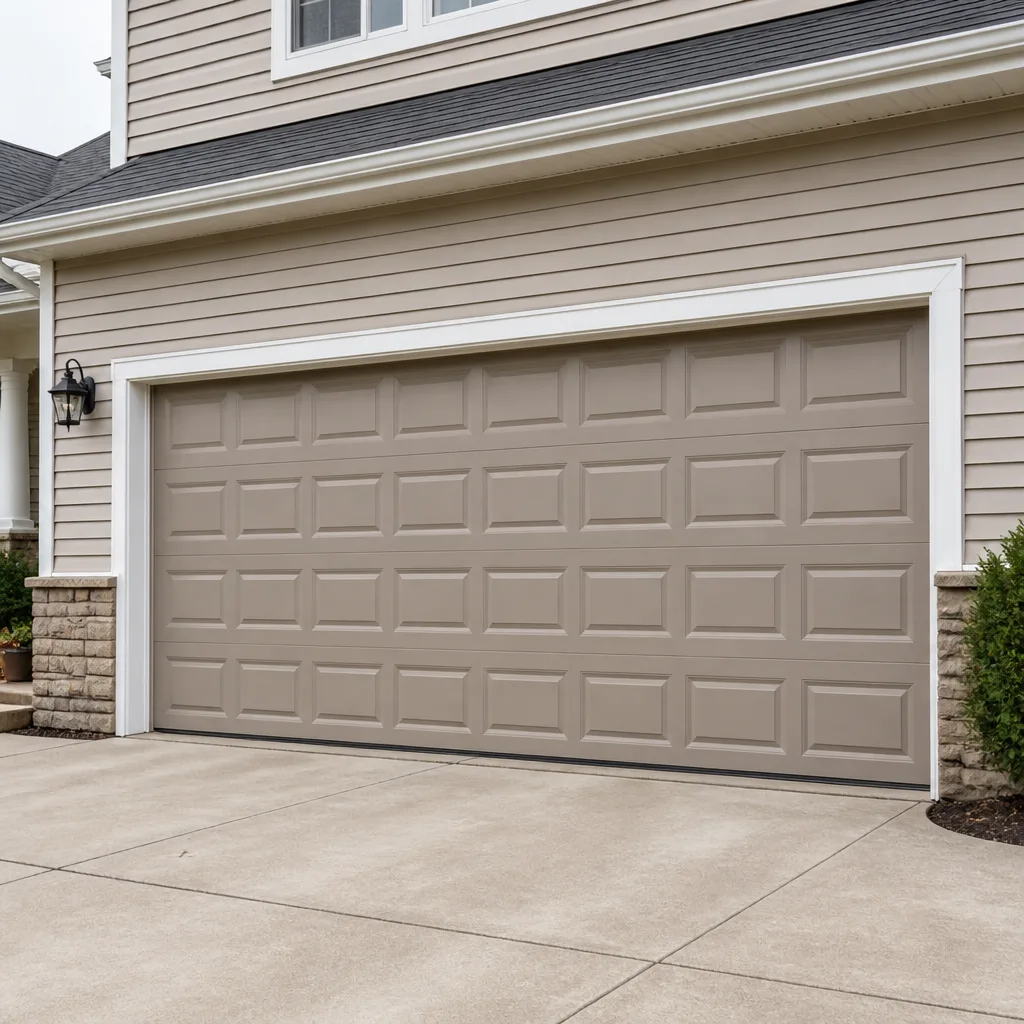 Raised-panel steel
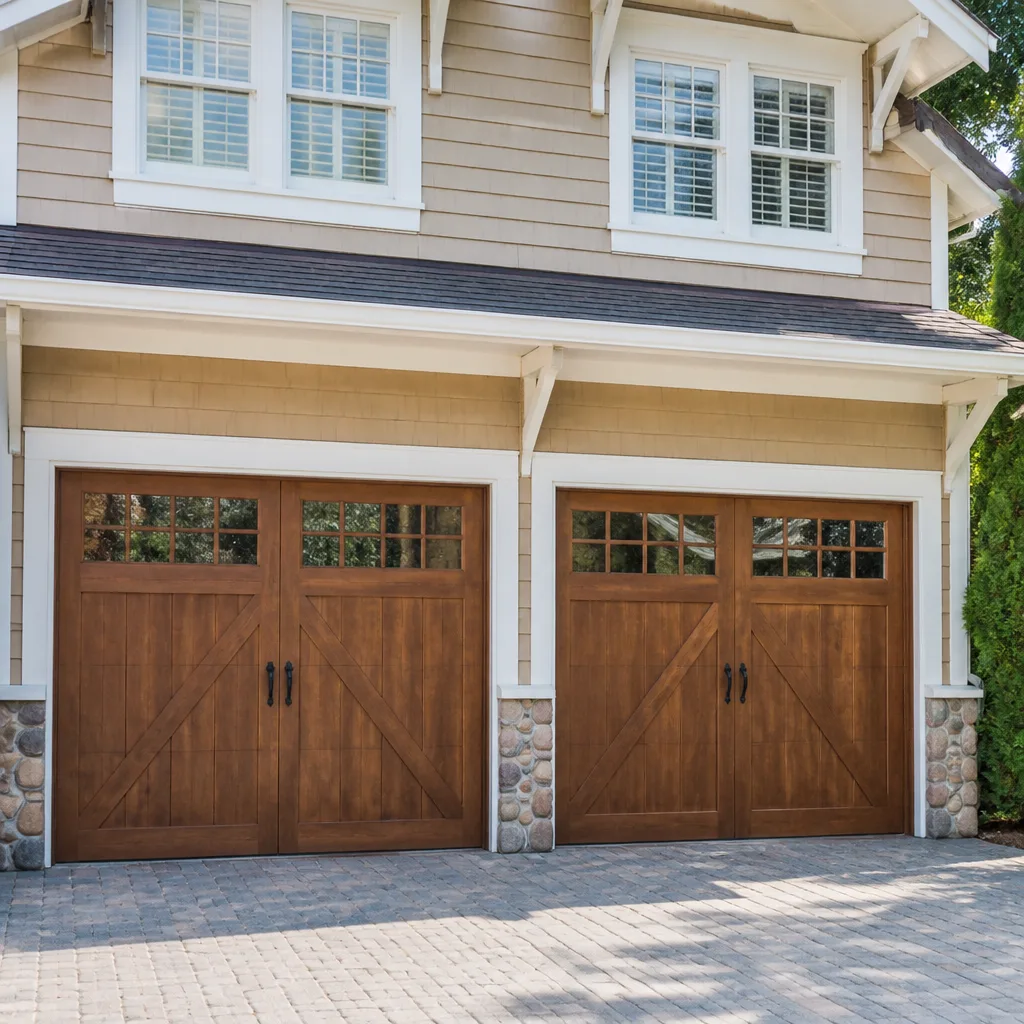 Carriage house
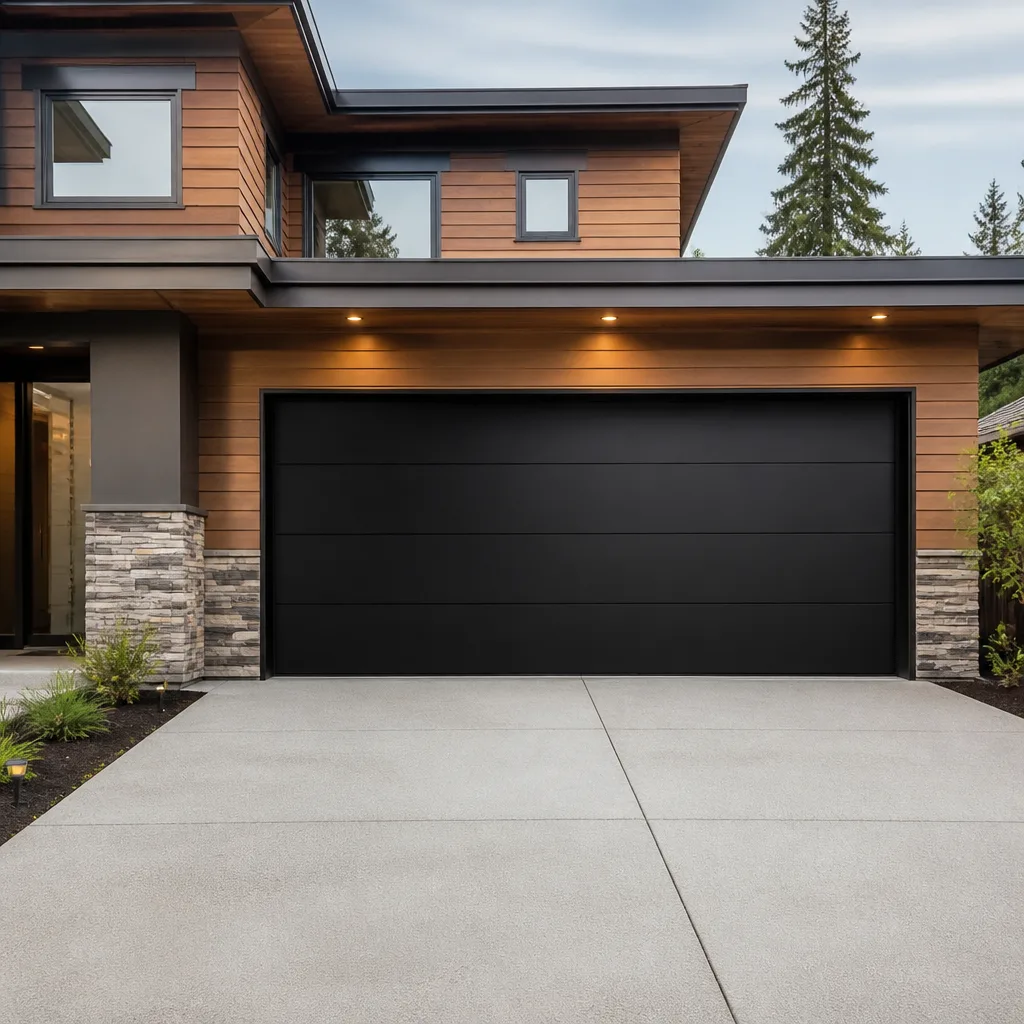 Modern flush
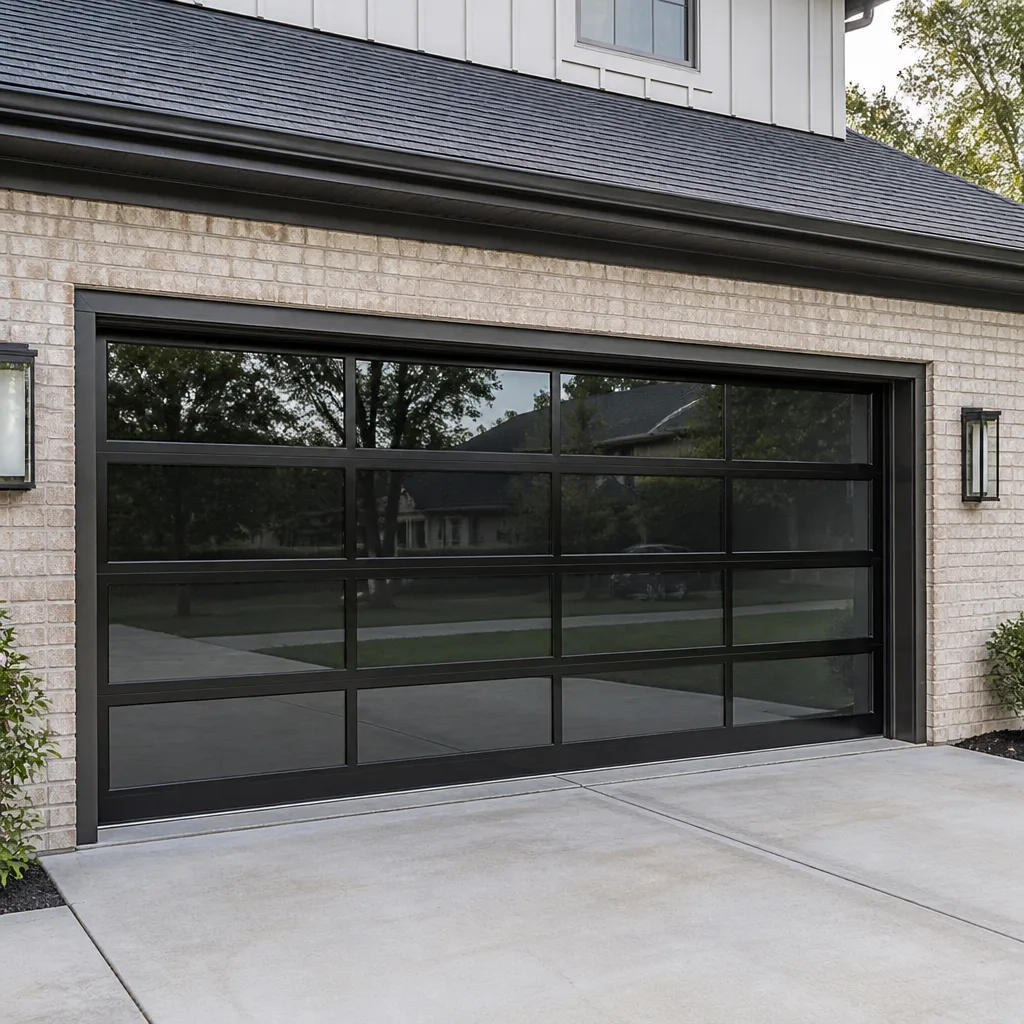 Full-view glass
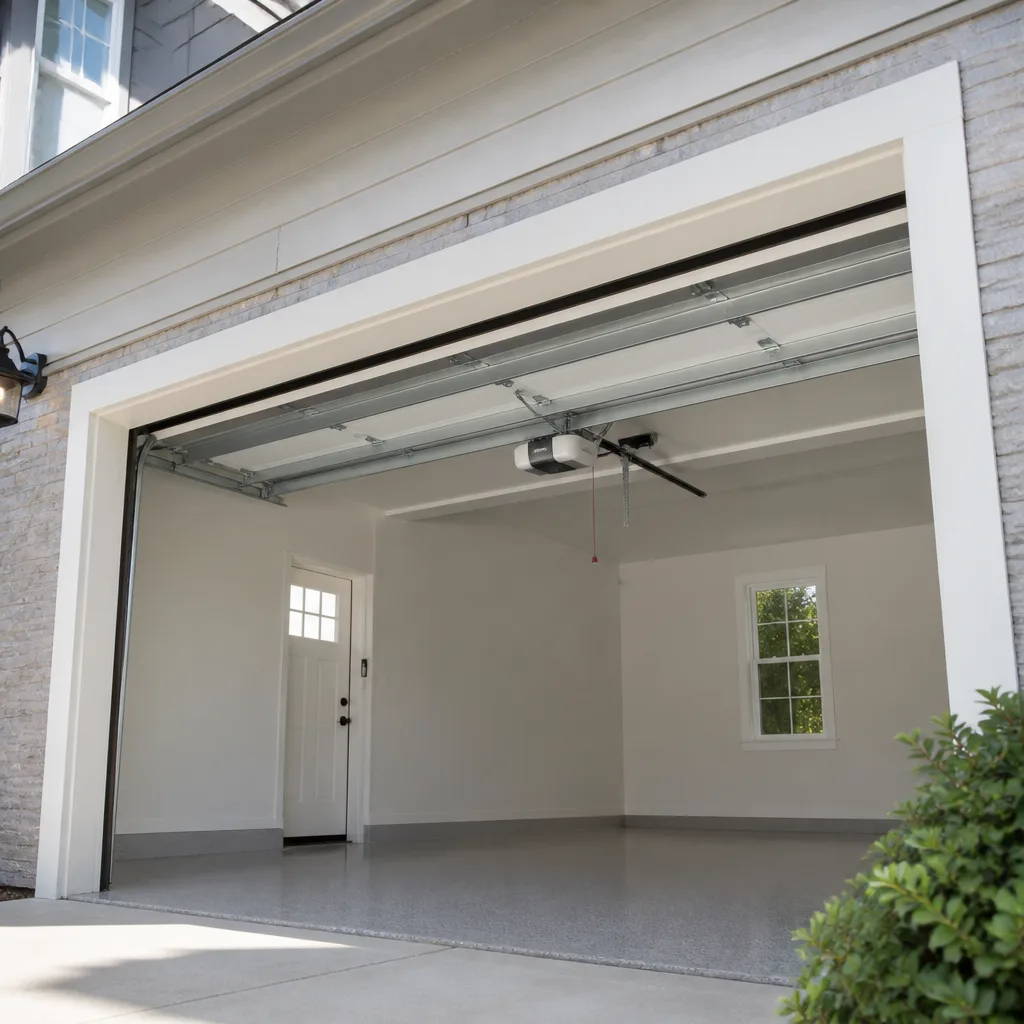 LiftMaster openers
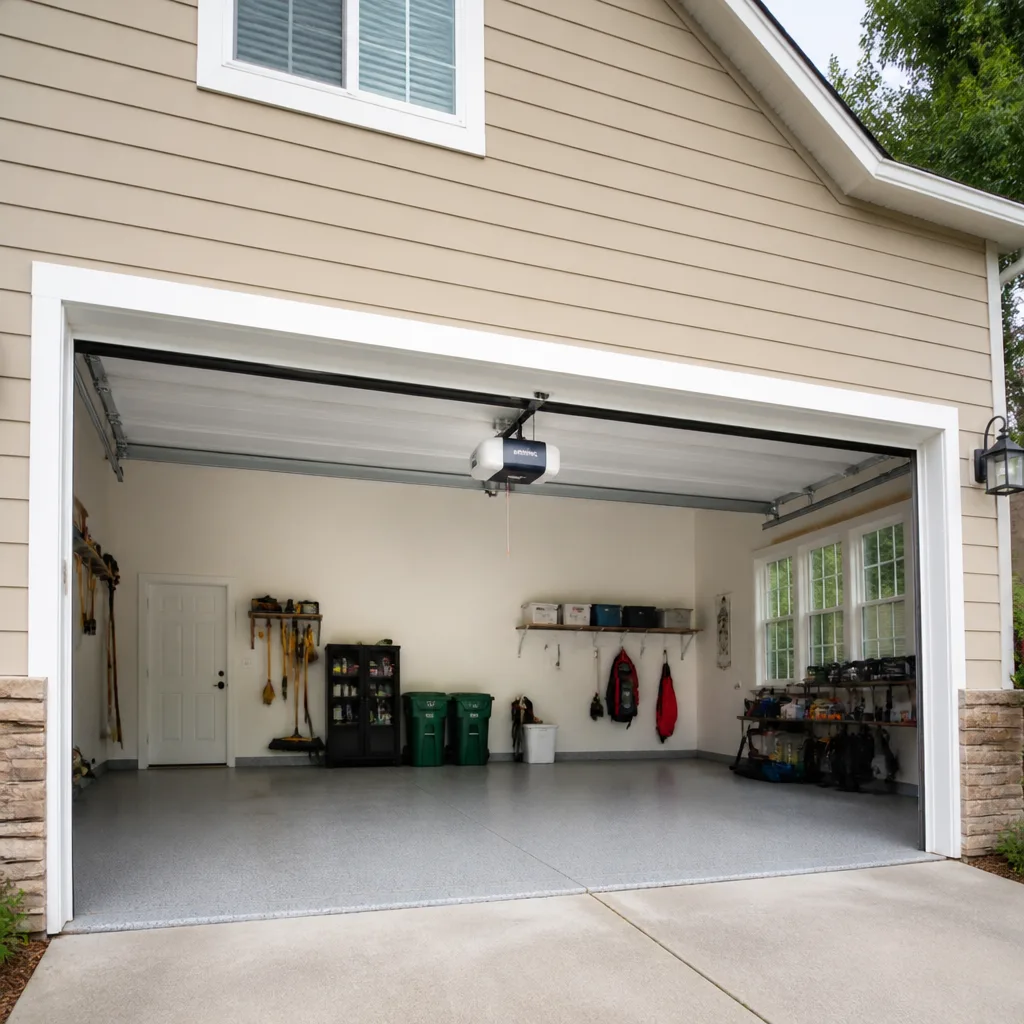 Chamberlain openers
Full 25-point door and opener safety check with every visit - springs, cables, rollers, tracks, and your LiftMaster or Chamberlain opener included
You get a price before we start. It does not change when the pro arrives.
Get your free estimateHow to Hire a Garage Door Contractor in Norwalk: A Step-by-Step Guide
Connecticut does not issue a dedicated garage door contractor license. That single fact should change how you shop for one. Anyone with a van, a ladder and a willingness to say yes can legally knock on your door in Norwalk and put a wrench on a system holding roughly 200 pounds of live spring tension above your car. Licensing matters, but here it isn’t a sufficient filter on its own. This guide walks you through what actually separates a garage door specialist from a generalist who added “garage doors” to a website, the three technical questions that expose the difference, and how to compare quotes so the cheapest bid doesn’t win by default.
Quick Answer
To hire a garage door contractor in Norwalk, verify what the technician actually works on day to day, confirm they know your specific door and opener brand, insist on a written quote that lists parts and labor separately, and confirm the pro carries general liability insurance and workers’ compensation as Connecticut requires. Price comes last, because a bid that doesn’t specify parts, springs and warranty terms can’t be compared to anything. A specialist who works on doors daily will answer technical questions in plain language without guessing.
Styles & brands we work with
- Raised-panel steel
- Carriage house
- Modern flush
- Full-view glass
- LiftMaster openers
- Chamberlain openers
Table of Contents
- What Does Connecticut Licensing Actually Cover for Garage Door Work?
- The Three Questions That Separate a Specialist From a Handyman
- How to Verify Manufacturer Authorization for Your Opener
- How to Compare Garage Door Quotes Apples-to-Apples
- Why the Cheapest Spring Replacement Often Costs More
- A Step-by-Step Checklist for Hiring in Norwalk
- What to Do When Your Door Fails and You Need Help Fast
- What Norwalk Homeowners Should Know About Their Doors
What Does Connecticut Licensing Actually Cover for Garage Door Work?
Connecticut regulates home improvement contractors through the state’s home improvement registration system, which covers the business side of residential work like contracts, deposits and consumer protections. It does not create a separate garage door specialty license. What that means in practice is that the registration confirms a contractor is on the state’s radar for home improvement work, but it says nothing about whether they’ve ever replaced a torsion spring or diagnosed a failing logic board on a LiftMaster opener.
So registration is a floor, not a ceiling. When you hire anyone for work in Norwalk, the things worth confirming are:
- Home improvement registration with the state, which you can look up through Connecticut’s consumer protection resources.
- General liability insurance covering damage to your property, which you should ask to see as a certificate, not take on faith.
- Workers’ compensation coverage for anyone who steps onto your property. Without it, an injury on your driveway can become your problem.
- A written contract that spells out scope, parts, labor and warranty before work begins.
None of that tells you whether the person understands your door. Plenty of registered, insured general contractors will happily take a garage door job and then figure it out on your dime. A Norwalk homeowner with a snapped spring or a door that reverses halfway down needs someone who has seen that exact failure many times, not someone reading a manual in your driveway. That gap between “legally allowed to work” and “actually qualified to work on this” is where most bad hiring decisions happen.
The practical move is to treat registration and insurance as the entry ticket and evaluate technical competence separately, in the conversation and in the written quote. The next two sections show you how.
The Three Questions That Separate a Specialist From a Handyman
You don’t need to know how to fix a garage door to evaluate someone who claims they can. You need three questions whose answers only come from regular, hands-on work. Ask them on the phone before you book an appointment. A specialist answers in specifics. A generalist hedges, guesses or pivots to price.
- “What brand and model is my opener, and what’s the most common failure on it?” A specialist who works across LiftMaster, Chamberlain and Genie units will recognize the housing, the rail type and the logic board family. They’ll tell you common failure points without looking it up. Someone unfamiliar will ask you to read the label or promise to “take a look when we get there.”
- “How do you determine the right spring for my door?” This one separates the field quickly. The correct answer involves door weight, drum size, cable length and cycle life, not just matching a color code off the old spring. Springs are rated in cycles, and a technician who chooses by color alone is guessing. If they can’t explain why spring sizing is measured rather than eyeballed, they’re not a spring specialist.
- “What’s your process when a door is out of balance?” A real technician describes a balance test, checking the door’s travel by hand with the opener disengaged, then adjusting spring tension to match. A generalist talks about lubricating hinges or tightening bolts. Balance is a spring and cable issue, and knowing the difference is the whole job.
Listen for how confident the answers are. In our experience, technicians with up to 13 years on doors answer these without pausing because they’ve encountered every variation. If you get vague answers or a fast pivot to “we’ll figure it out, our price is the best,” you’ve learned what you needed to know.
If you’d rather skip straight to a specialist who works on doors daily, our Norwalk Garage Door Repair Pros team handles repairs across the major brands and can answer these questions on the phone before you commit to anything.
How to Verify Manufacturer Authorization for Your Opener
Manufacturer authorization matters for one reason: warranty protection. If a LiftMaster or Chamberlain opener fails inside its warranty period and the repair was done with non-genuine parts or by someone outside the manufacturer’s service network, the warranty claim can be denied. That’s a conversation you don’t want to have after a logic board dies. Knowing how to check authorization before you hire is the safeguard.
Here’s what “authorization” actually looks like, and how to confirm it:
- Ask directly which brands the contractor is factory-authorized for. The answer should be specific. “We work on everything” is not the same as “we’re authorized for LiftMaster and Chamberlain.”
- Check the manufacturer’s own dealer locator. LiftMaster, Chamberlain and Genie each maintain a find-a-dealer tool on their websites. If a contractor claims authorization and doesn’t show up in the locator, ask why.
- Ask what parts they install and where they come from. Genuine OEM parts preserve warranty coverage. Generic aftermarket parts may not, and the quote should say which you’re getting.
- Ask about the workmanship warranty separately from the manufacturer’s warranty. A specialist stands behind their install with their own term. Get it in writing.
A Raynor or LiftMaster door installed by someone outside the manufacturer’s network can still work fine, but you lose the safety net if something goes wrong later. For a Norwalk homeowner replacing an opener that’s already under warranty, that’s a real cost, not a hypothetical one. The brand-specific knowledge also pays off at diagnosis: a technician who knows a Genie screw-drive from a Chamberlain belt-drive won’t waste your time on trial-and-error fixes.
When you call us, we’ll tell you honestly which brands we’re set up for and what that means for your warranty. If your door is a brand we don’t specialize in, we’ll say so rather than take the job and learn on it.
How to Compare Garage Door Quotes Apples-to-Apples
Most garage door quotes are impossible to compare because they use the same vague phrase: “parts included.” That phrase can mean anything from genuine OEM springs sized to your door to a pair of imported springs that’ll fail in two years. It can mean new rollers or reused ones. It can mean a full cable replacement or a “we’ll see if it needs it.” Comparing those bids side by side is comparing nothing.
Insist that every quote itemize the following before you compare:
- Parts by name and specification, including spring cycle rating, rollers, hinges, cables and any opener components.
- Labor as a separate line, so you can see what you’re paying for the work versus the material.
- Permit needs, called out explicitly. Most cities require a permit for structural door work or opener electrical changes, so ask your city’s building department whether your job needs one and confirm the quote addresses it.
- Warranty terms for both parts and workmanship, with duration and what’s covered.
- Disposal and cleanup of the old door or spring.
When you have three itemized bids, compare line by line. The bid with the highest parts cost may still be the better value if it includes OEM components and a longer warranty. The bid with the lowest labor may be the worst deal if the technician is unfamiliar with your brand and has to make a second trip. A written quote should set the final price, and any honest contractor will tell you up front that the quote is what you pay unless the scope changes and you agree to the change before work continues.
For a closer look at typical pricing on the work itself, see our garage door repair page, which breaks down what common jobs involve. If the issue is the opener rather than the door, the garage door opener repair page covers that side separately.
Why the Cheapest Spring Replacement Often Costs More
Springs are where the price gap between bids gets widest and where the cheapest option is most likely to cost you twice. A spring is rated in cycles, the number of open-and-close movements it can survive before it fails. Two springs with the same physical dimensions can have wildly different cycle lives depending on the steel and the manufacturer. A low bid usually means a low-cycle spring, and a low-cycle spring in a house that opens the door several times a day will fail sooner than a higher-rated one. You pay for the replacement twice.
That’s the argument to make when someone at home is focused on the invoice. Frame it as a comparison of cost per year of service, not cost today:
- Ask the quote for the spring’s cycle rating in writing. A bid that won’t state it isn’t comparable.
- Ask whether one spring or a matched pair is being replaced. Springs are usually replaced as a pair because they share the load and wear together. Replacing one of a pair means the second will fail soon after, and you’ll pay labor again.
- Ask about warranty on the spring itself. A shorter warranty often signals a cheaper spring.
There’s a safety dimension too. A torsion spring under tension can cause serious injury if it’s mishandled, and the tools and technique for replacing one safely aren’t obvious. This is not a repair worth attempting as a weekend project, and a contractor who treats spring work as casual is telling you something about how they approach the whole system. Our garage door spring repair work is handled by technicians who do this specific job regularly, because getting it wrong isn’t just an inconvenience.
One more thing to verify: springs are sized to door weight, so a technician who replaces your spring with the same color code without weighing the door may be installing the wrong spring. That’s how doors end up out of balance, straining the opener and wearing out faster than they should. The cheap spring becomes an expensive opener replacement.
A Step-by-Step Checklist for Hiring in Norwalk
Here’s the full process, in order. Work through it once and you’ll have a qualified contractor and a quote you can actually compare.
- Identify your door and opener brand and model. The label is usually on the opener housing or the door’s end stile. Write it down before you call anyone. Knowing it lets you ask the right questions.
- Screen on the phone. Ask the three technical questions from earlier. If the answers are vague, move on. This step costs you five minutes and saves you a bad hire.
- Confirm registration and insurance. Ask for the certificate of insurance and the state home improvement registration. A professional will send it without hesitation.
- Get an on-site assessment and a written quote. The technician should inspect the door, opener, springs, cables and rollers, then explain what’s needed and what’s not. Estimates should be free.
- Require itemization. Parts by name and spec, labor separately, warranty terms, permit handling, disposal. No “parts included” catch-alls.
- Compare at least two quotes on the same items. Line by line, not total to total. Where they differ, ask why.
- Read the fine print before signing. Confirm the quote is the price unless you agree to a scope change, and confirm the workmanship warranty in writing.
- Keep the paperwork. Warranty claims need documentation. A folder with the quote, the contract and the parts list is worth having when a spring fails inside its term.
This checklist works for a simple repair and for a full door replacement. It also works if you’re comparing us to someone else; we’d rather you run the same filter on us than skip it. Call (855) 337-1321 and we’ll answer the questions before you book anything.
What to Do When Your Door Fails and You Need Help Fast
A garage door that won’t open, or is stuck halfway, turns into an access problem within minutes. If the door is jammed, don’t force it. A door under spring tension that’s forced can damage the panels, the tracks or the opener, and in the worst case it can drop. If you see a snapped spring or a loose cable, keep people and pets clear and leave the door alone until a technician looks at it.
When you call for urgent help in Norwalk, the things that speed up the response are:
- Your door and opener brand and model, if you can reach the label safely.
- A description of what’s happening. “It opens two feet and stops” tells a technician more than “it’s broken.”
- Whether the door is stuck open, closed or halfway. That changes the safety picture and the tools needed.
- Whether you can safely disengage the opener using the manual release, if the door is down and you can reach it.
Emergency garage door service is a confirmed part of what we do. We know a failed door is stressful, especially when the car is trapped or the house isn’t secure, and we treat those calls as the priority they are. Our garage door repair service covers same-day and emergency situations, and we’ll tell you up front what the likely fix is and what it’ll cost before anyone starts work.
What Norwalk Homeowners Should Know About Their Doors
Garage doors in Norwalk live with a specific set of conditions. The area gets real seasonal swing, hot and humid summers and cold winters, and that cycle works on the moving parts. Wooden doors in older homes around neighborhoods like Cranbury and Silvermine move with the moisture, which affects hinges, weather stripping and balance. Metal doors expand and contract with temperature, which can show up as seasonal binding or a door that sits slightly off-level in one season and not the next. None of this is dramatic, but it’s the context a local specialist knows and a generalist doesn’t.
The other local factor is the housing stock. Norwalk has a mix of older homes with original doors and newer construction with modern openers, and that mix means a contractor working here needs to handle both. A pre-war door with wooden sections needs a different approach than a newer insulated door on a belt-drive opener. A technician who only works on one type will struggle with the other.
The good news is that the hiring process doesn’t change with the door type. The questions from earlier, the itemized quote, the registration and insurance check, all apply whether your door is a Raynor steel door or an older wooden one that’s been repainted a few times. What changes is the technical answer, and a specialist will give you one.
Weather stripping and bottom seals are worth a look on older Norwalk doors, since a worn seal lets in water and cold air and puts stress on hinges over time. It’s a small part of a bigger inspection, and a good technician will point it out rather than upsell it.
Common Mistakes to Avoid
- Hiring on price alone. The lowest bid on a spring replacement usually means a lower-cycle spring, which fails sooner. You pay the labor twice.
- Accepting a quote that says “parts included” without a parts list. Without specs, you can’t compare bids or know what you’re getting. Ask for itemization before you sign.
- Skipping the insurance check. A contractor without liability and workers’ comp coverage leaves you exposed if something goes wrong on your property. Ask for the certificate.
- Assuming a handyman who’s handy can do spring work. Spring tension is dangerous and sizing is technical. A generalist guessing at size or technique can leave your door out of balance or worse.
- Not asking about manufacturer authorization before an opener repair. Using non-genuine parts or an unauthorized repair can void a warranty on a LiftMaster or Chamberlain opener, and that’s a cost you don’t see on the invoice.
- Forcing a jammed door instead of waiting for a technician. A door under tension that’s forced can bend panels, damage tracks or drop. Leave it alone and call.
- Ignoring the balance test after a spring swap. A door that’s technically working but out of balance wears the opener and the springs faster. Confirm the technician checked it before they leave.
See the difference
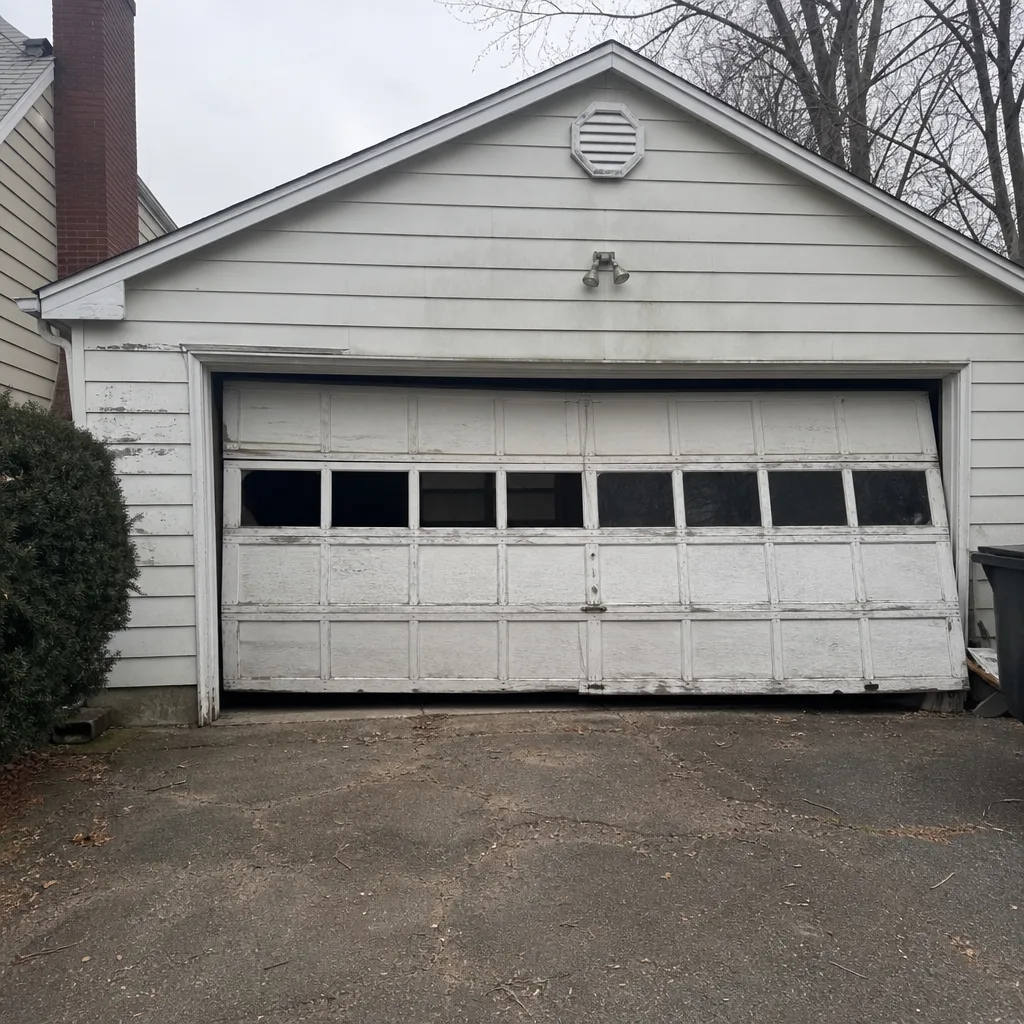 Before
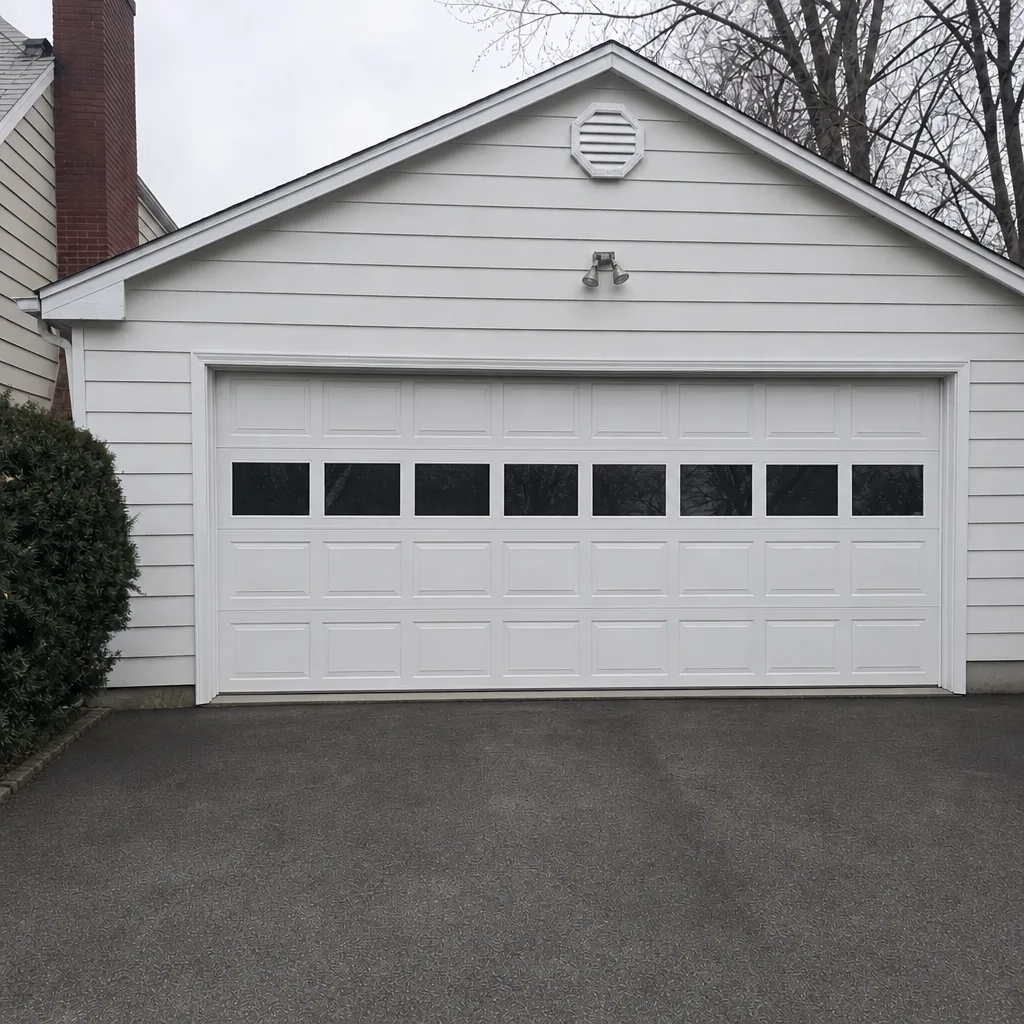 After
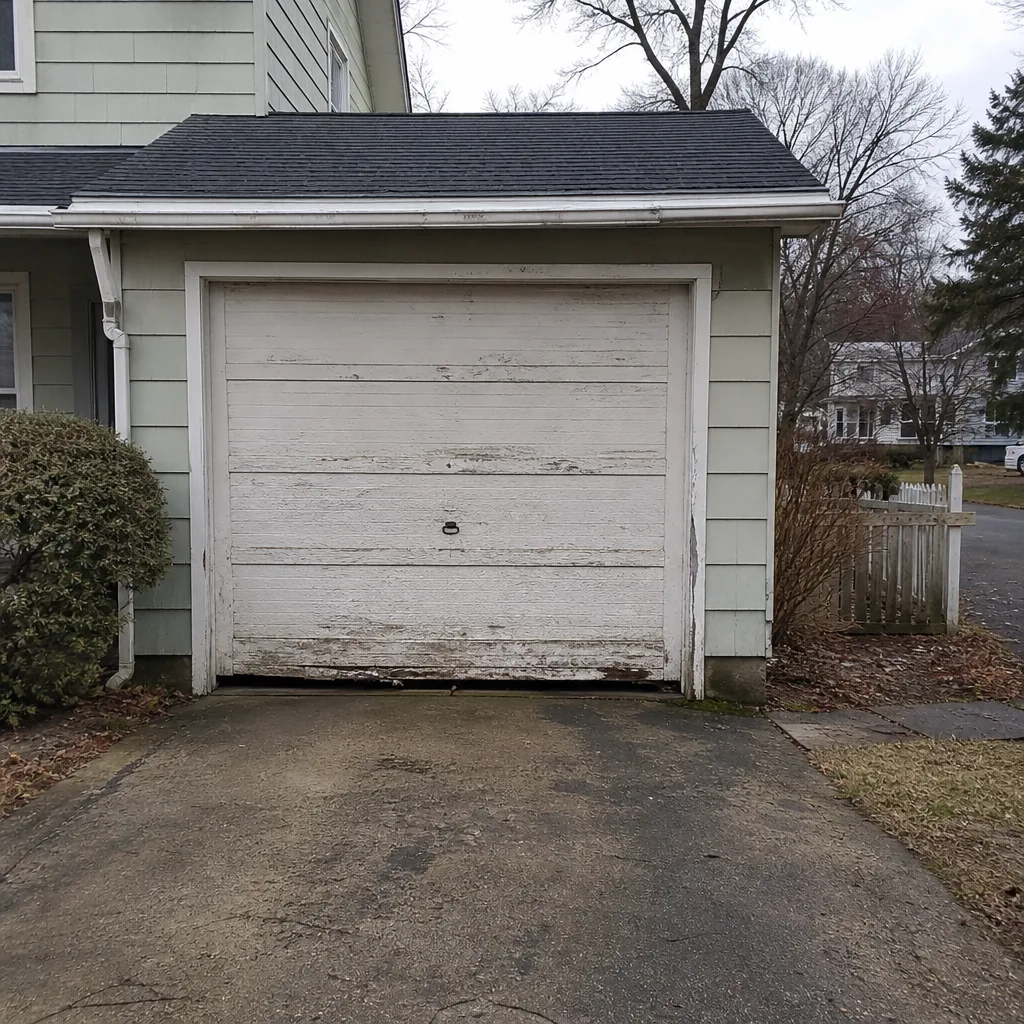 Before
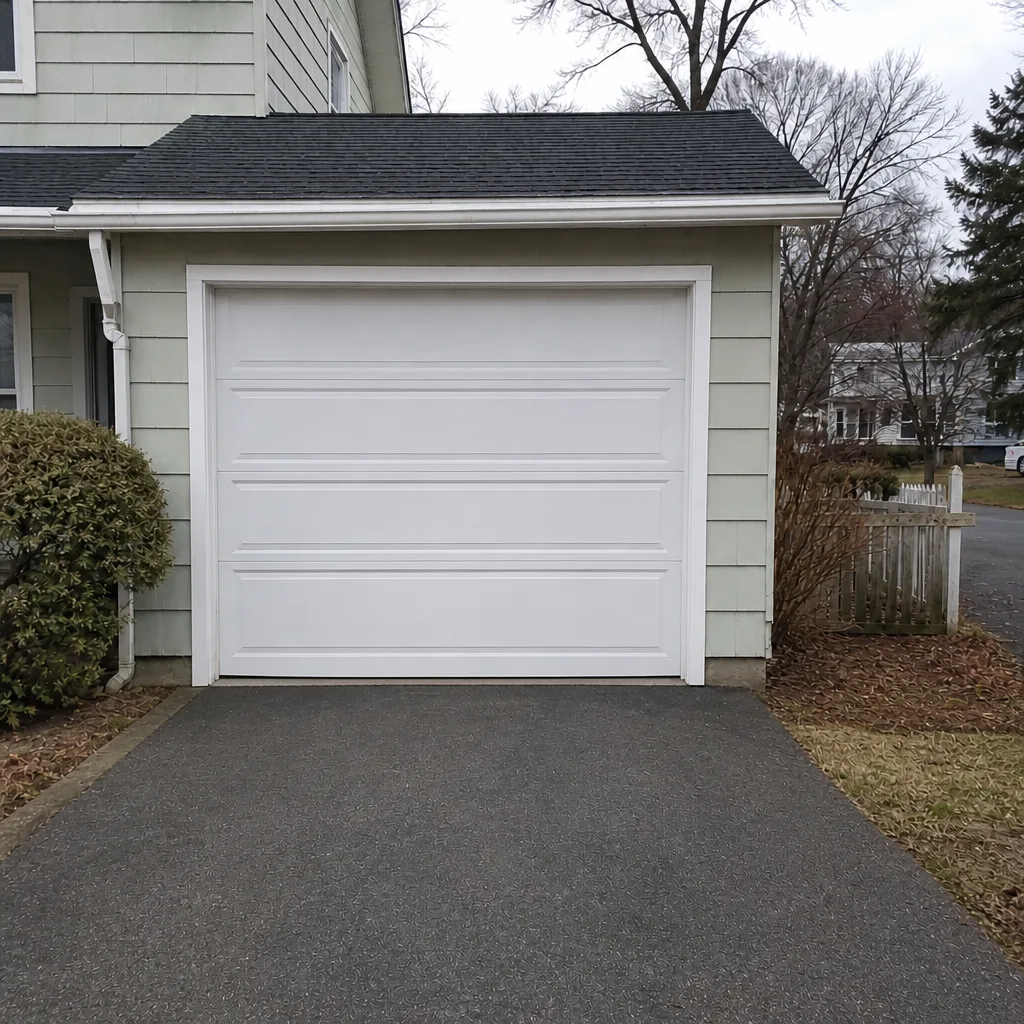 After
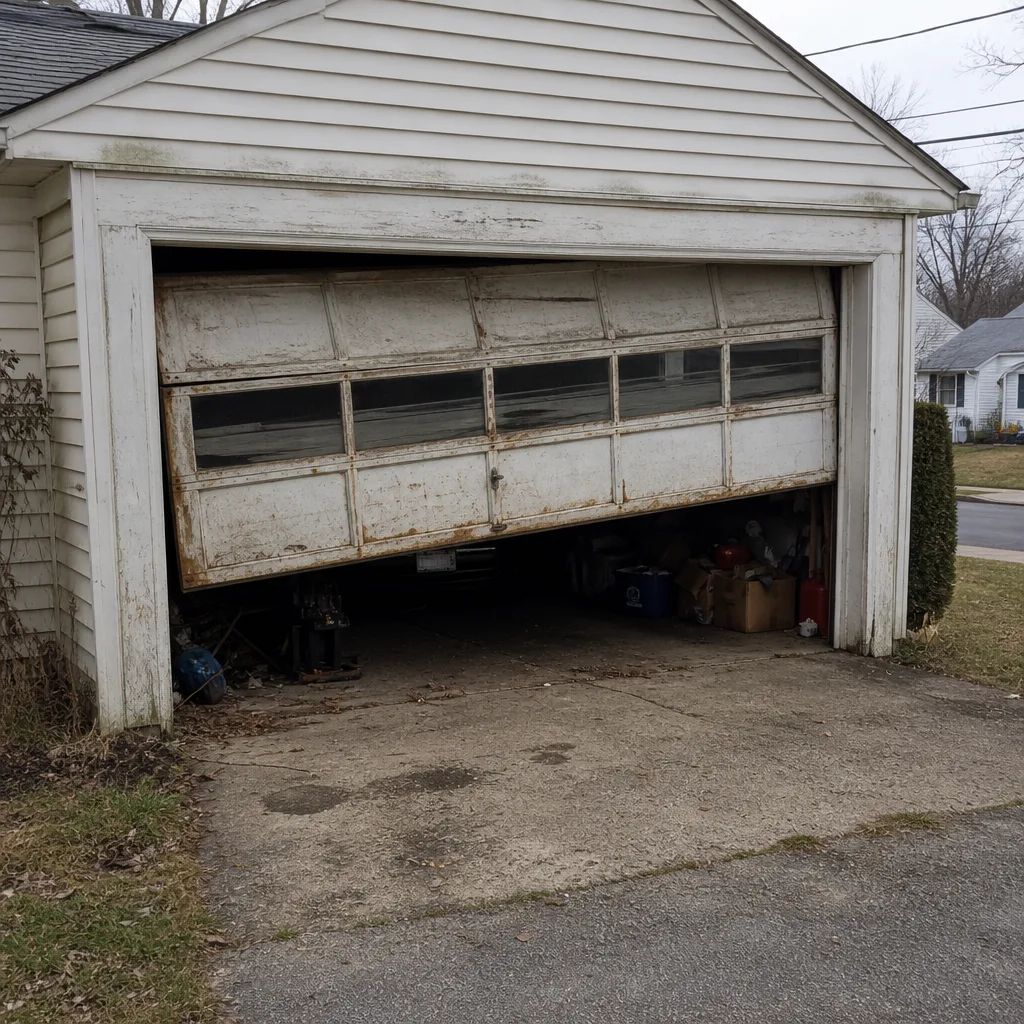 Before
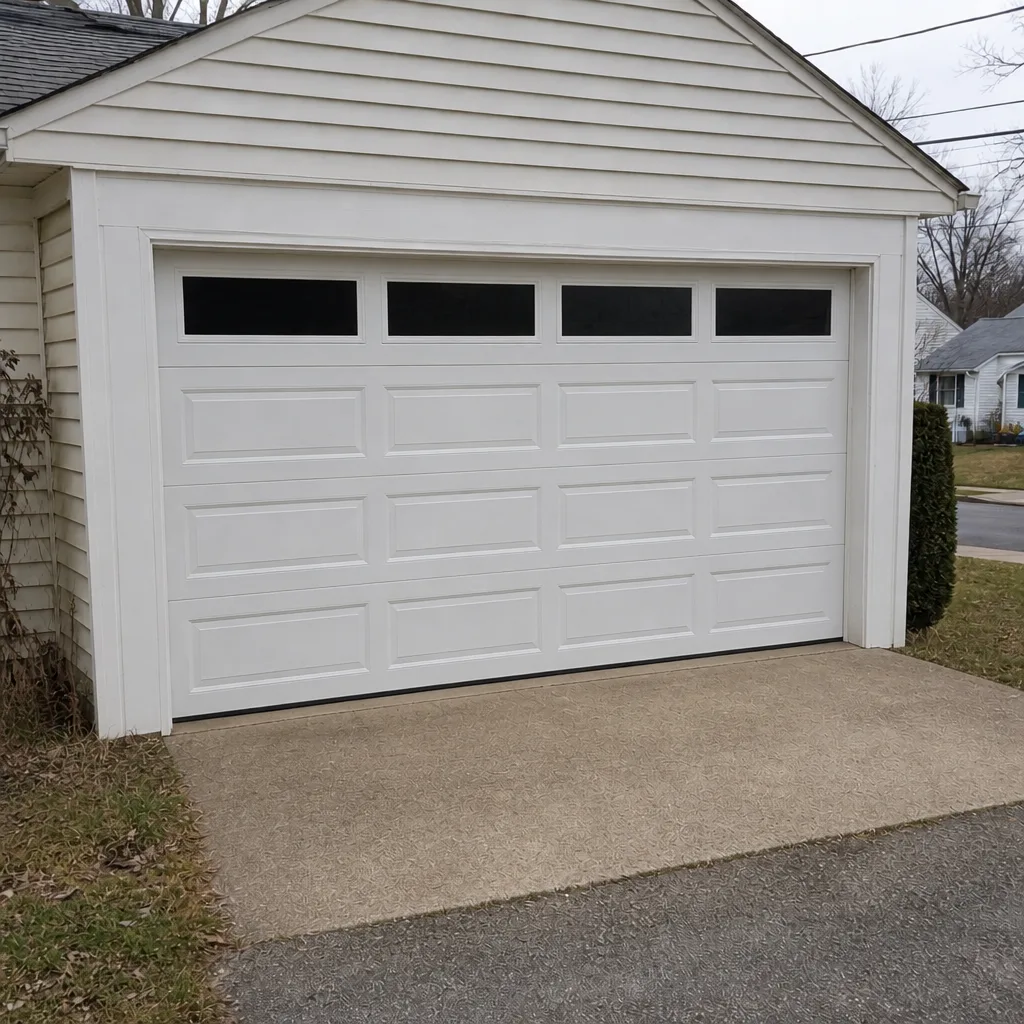 After
When to Call a Professional
Some door problems are worth a look before you call; others aren’t. A snapped spring, a frayed or loose cable, a door that reverses halfway down, a door that won’t stay closed, or an opener that runs but doesn’t move the door are all signs of a system under load that shouldn’t be handled by someone without the training and tools. A door that’s been hit or has a bent panel also needs an assessment before anything else, because the opening and closing force changes with the damage. If you’re not sure, call and describe it; a specialist can tell you whether it’s urgent or can wait.
Norwalk Garage Door Repair Pros offers free estimates in Norwalk. Call (855) 337-1321 and we’ll help you figure out whether you’re looking at a repair or a replacement, and what the fix is likely to cost before you commit to anything.
Frequently Asked Questions
Connecticut does not issue a dedicated garage door contractor license, so you should verify home improvement registration with the state plus general liability insurance and workers’ compensation coverage instead. Those confirm the business is accountable and covered, but they don’t confirm technical skill, which is why you also need to ask the technical questions and get an itemized quote. Call (855) 337-1321 and we’ll walk you through what to check before you hire anyone.
Ask directly which brands they’re factory-authorized for and then verify it on the manufacturer’s dealer locator, since LiftMaster, Chamberlain and Genie each maintain one. Ask whether they install genuine OEM parts, because aftermarket parts can jeopardize your warranty. If a contractor can’t show up in the locator or won’t name their authorized brands, treat that as a signal and keep shopping.
The cheapest spring is usually one with a lower cycle rating, meaning it fails sooner and you pay for the replacement twice. Springs are rated in cycles, and a low-cycle spring in a door used several times a day wears out much faster than a higher-rated one. Ask for the cycle rating and the warranty in writing, and compare cost per year of service rather than cost today. Call (855) 337-1321 for a quote that spells out the spring specification.
Repair pricing depends on the failure, the parts needed and the brand of door or opener, which is why an itemized quote beats a phone estimate. The written quote sets the final price, and any scope change should be agreed before work continues. Estimates are free, and we’ll explain what the job involves before you commit. Call (855) 337-1321 for an exact quote.
It shouldn’t. A written quote based on an on-site assessment is the price unless you agree to a scope change, such as finding a damaged cable that wasn’t visible during the assessment. Any contractor who quotes low on the phone and raises the number on arrival is showing you their process. Ask for an on-site assessment and a written quote before work begins, and confirm that the quote is the number you pay.
No, and we’d strongly advise against attempting it. Torsion springs hold hundreds of pounds of tension and can cause serious injury if mishandled, and opener electrical work and logic board repairs carry their own risks. A technician with the right tools and training handles this daily, and the cost of a professional repair is far less than the cost of an injury or a botched replacement. Call us and we’ll tell you what the job involves.
The Bottom Line
Hiring a garage door contractor in Norwalk comes down to filtering out generalists before they get to your door. Registration and insurance are the entry ticket, not the filter. The filter is the three technical questions, the brand-specific knowledge, and an itemized quote that lists parts, labor and warranty terms so you can compare bids honestly. Pay attention to why the cheapest spring is usually the most expensive one over time, and don’t force a jammed door. Run every contractor through the same checklist and you’ll hire someone who actually works on doors. And if you’d rather start with a specialist, we’re here: Norwalk Garage Door Repair Pros. Call (855) 337-1321 for a free estimate.
Written by the team at Norwalk Garage Door Repair Pros.