Last updated November 21, 2026
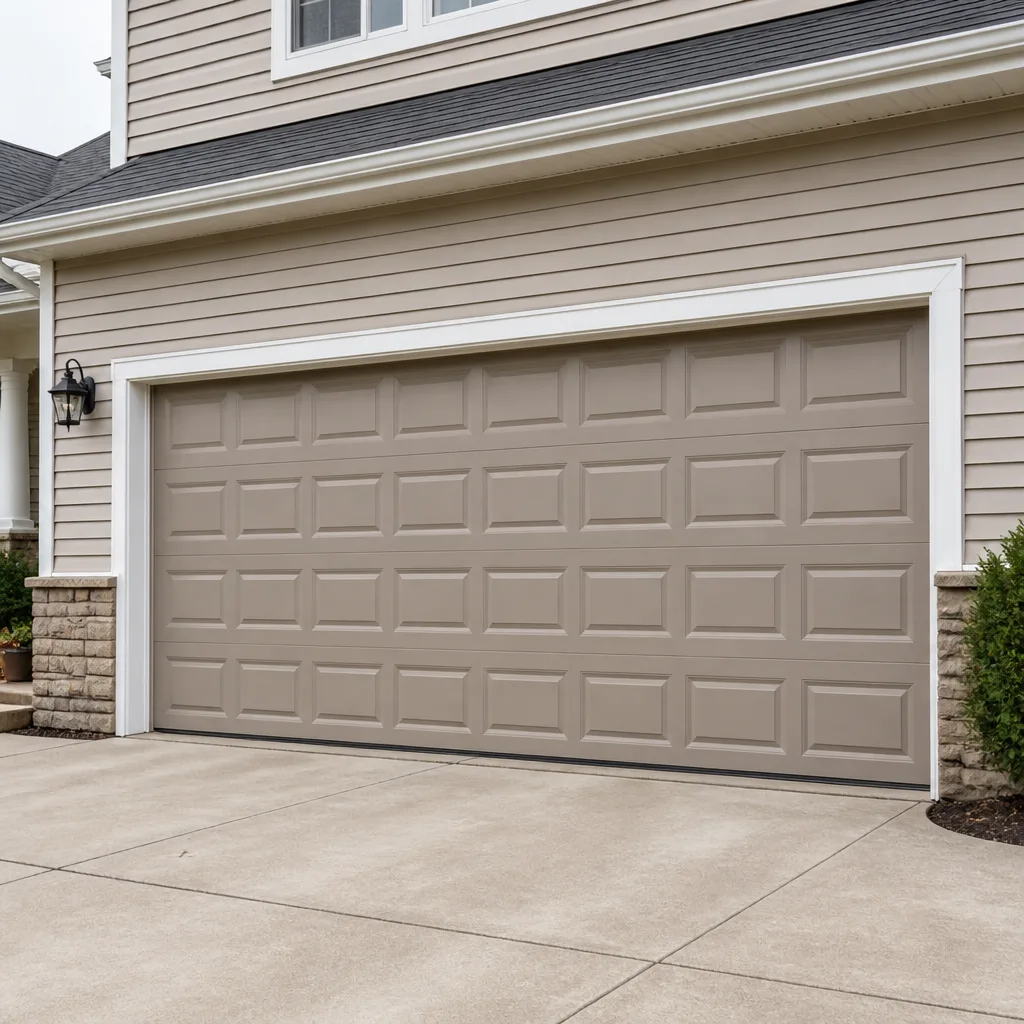 Raised-panel steel
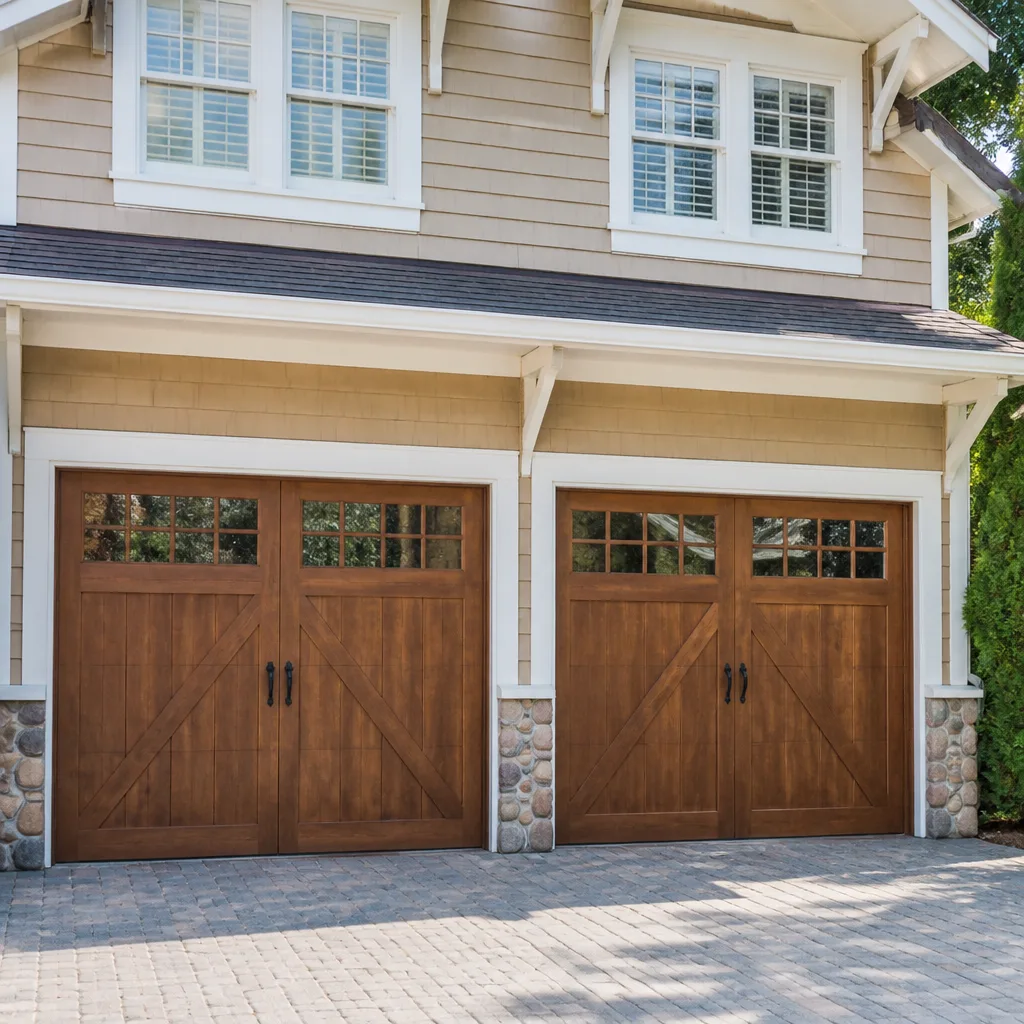 Carriage house
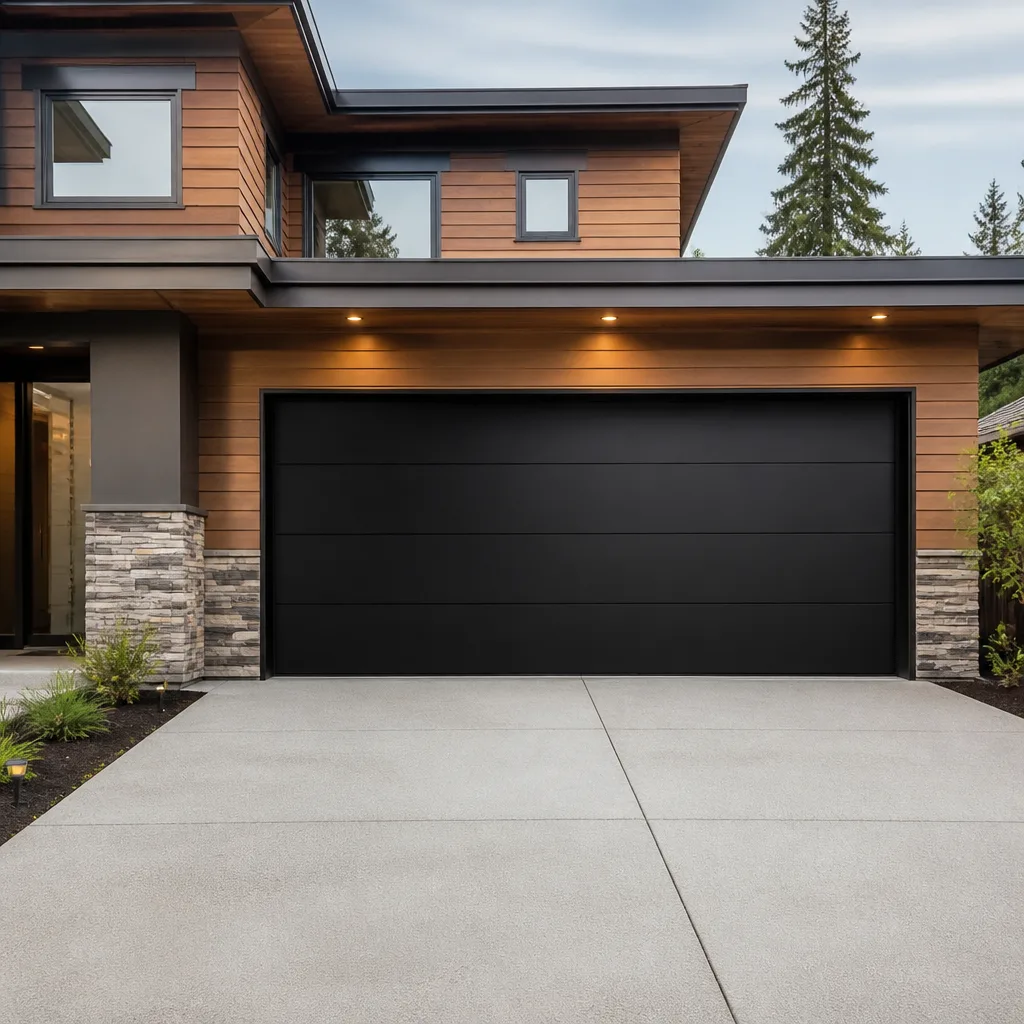 Modern flush
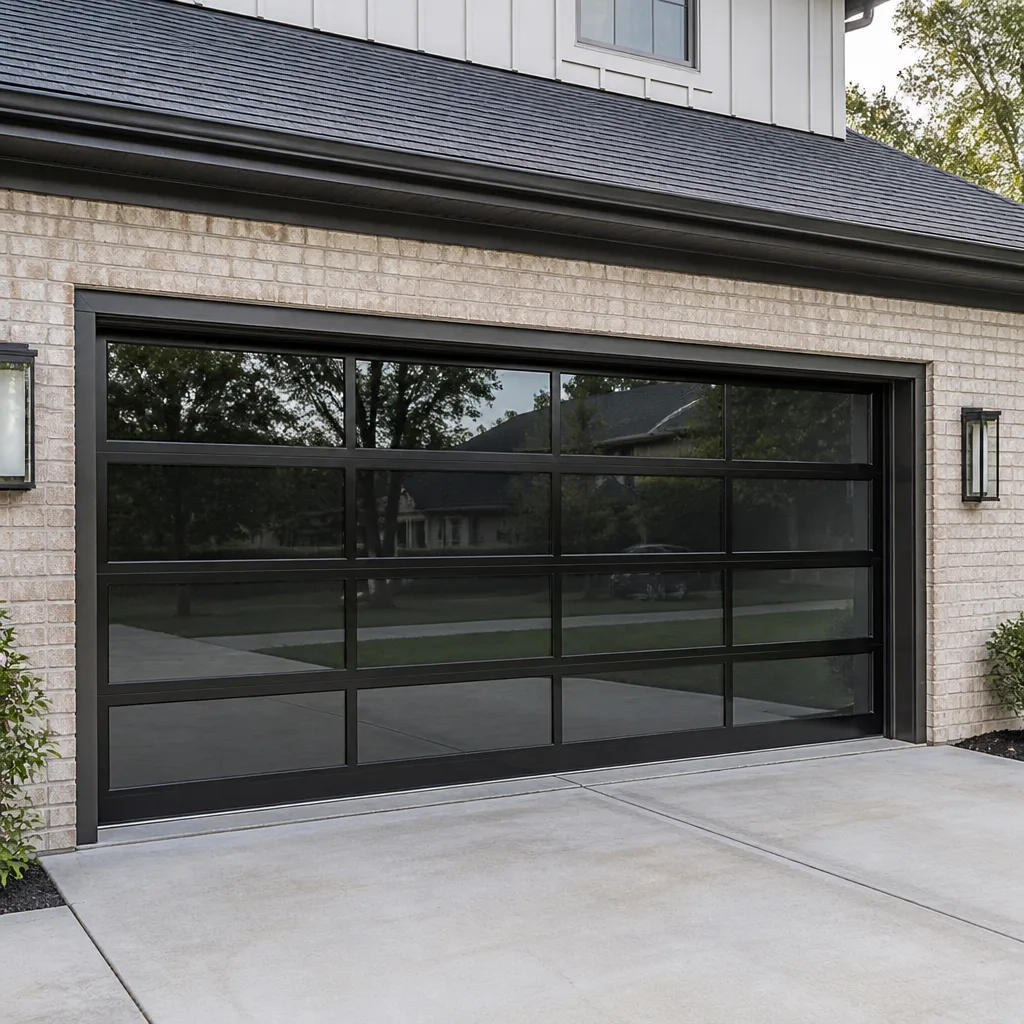 Full-view glass
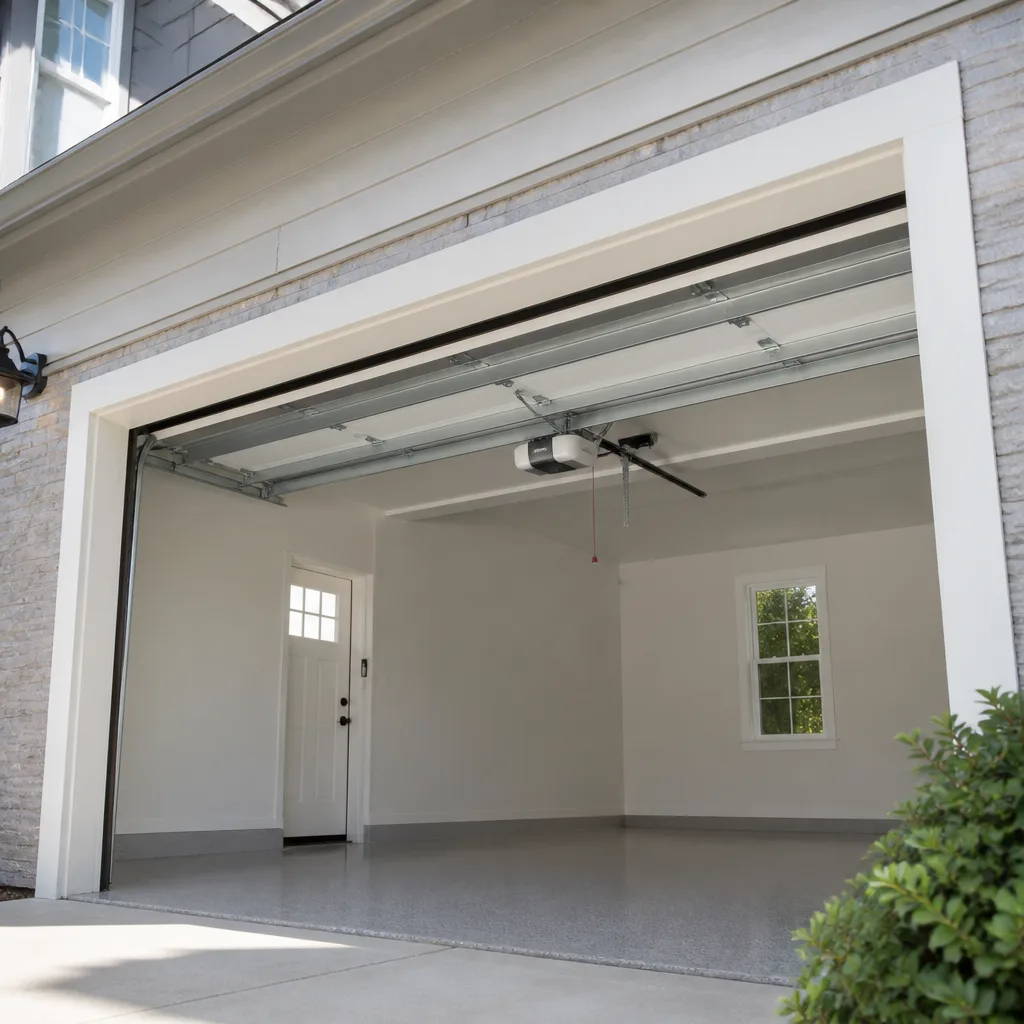 LiftMaster openers
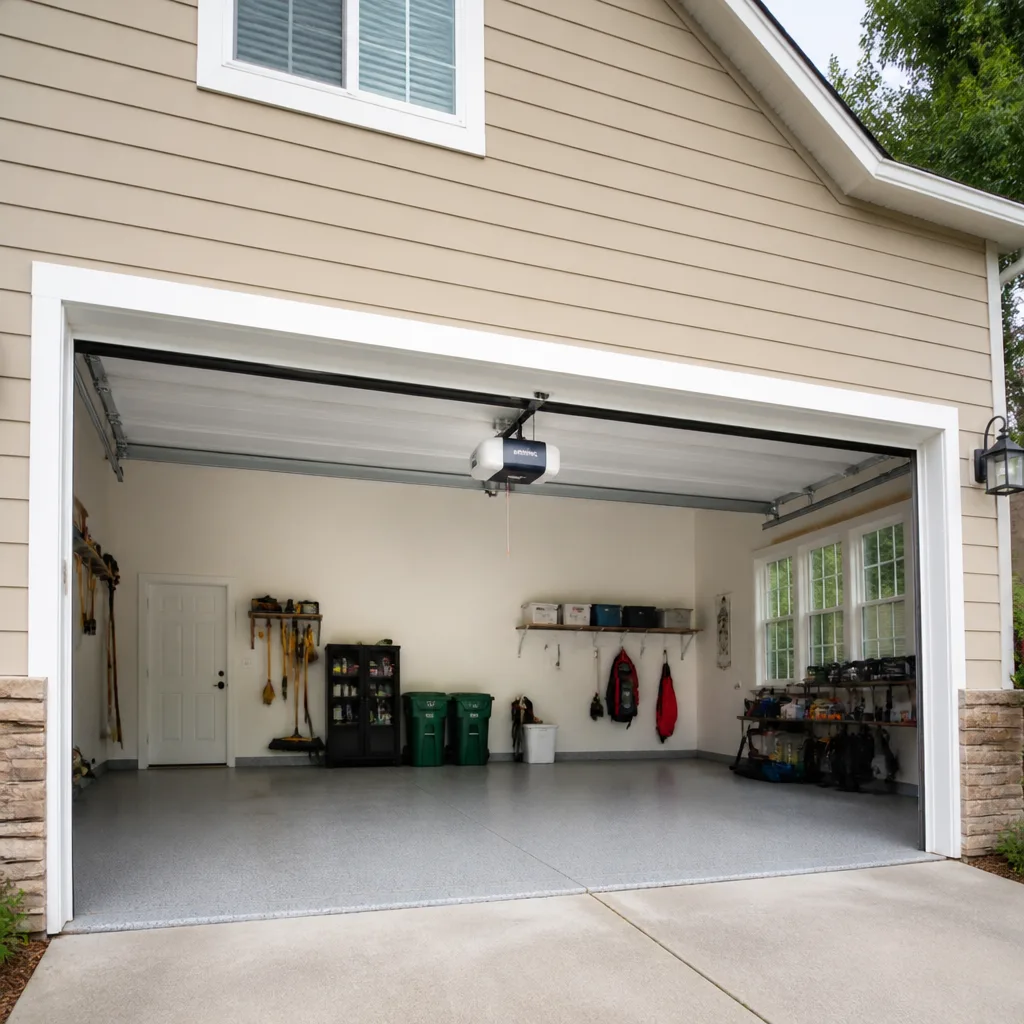 Chamberlain openers
Full 25-point door and opener safety check with every visit - springs, cables, rollers, tracks, and your LiftMaster or Chamberlain opener included
You get a price before we start. It does not change when the pro arrives.
Get your free estimateSeasonal Garage Door Care for Norwalk: Year-Round Homeowner’s Guide
Spring snaps around Norwalk peak in February. That surprises most homeowners, who assume springs fail in summer from heavy use or in winter from deep cold. The real cause is quieter: from November through January, a torsion spring contracts and expands through repeated freeze-thaw swings, cycling more stress through the steel than it sees all summer. Nobody checked the tension in the fall, so the failure lands in the coldest, most inconvenient week of the year. A garage door doesn’t wear out on a neat schedule. It wears out in the two windows Norwalk weather actually stresses it – late fall and early spring. This guide maps your calendar to your door’s real failure patterns, month by month, so you’re adjusting, sealing, and testing in the right season instead of reacting in the wrong one.
Quick Answer
Seasonal garage door care in Norwalk follows two stress windows: October through December, when temperature swings and moisture load the springs, hinges, and seals, and March through April, when thawing ground and swelling wood knock tracks out of alignment. Lubricate moving metal parts monthly during high-moisture months, test your auto-reverse and balance every season, and schedule a professional tune-up before the first hard freeze in late November. Everything else – paint, seals, opener sensitivity – slots into those two windows and the calmer months between them.
Styles & brands we work with
- Raised-panel steel
- Carriage house
- Modern flush
- Full-view glass
- LiftMaster openers
- Chamberlain openers
Table of Contents
- Fall Prep Checklist: Beating Norwalk’s First Freeze
- Why Norwalk Springs Fail in February
- Mid-Winter Hardware: The Salt Spray Reality
- Spring Thaw: Swelling Wood and Frost Heave
- Summer Humidity and Spring Lubrication
- Your Month-by-Month Norwalk Task Calendar
- Common Mistakes to Avoid
- When to Call a Professional
- Frequently Asked Questions
Fall Prep Checklist: Beating Norwalk’s First Freeze
The first consistent freeze in Norwalk usually lands in late November, and the work you do in the four to six weeks before it decides how well your door survives to March. Fall prep isn’t about cosmetics. It’s about locking in alignment, sealing out moisture, and confirming your safety systems work while the ground is still soft and the hardware is still warm enough to adjust without cracking.
Here’s the sequence we recommend running through each October and November:
- Test the balance. Disconnect the opener and lift the door halfway by hand. It should hold there without drifting. If it drops or rises on its own, the springs are out of balance and need professional attention – don’t adjust them yourself.
- Test the auto-reverse. Place a piece of wood flat on the floor in the door’s path and close it. The door should reverse on contact. Then test the photo-eye safety sensors by blocking the beam.
- Lubricate hinges, rollers, and the spring. A garage-door-specific lubricant on the hinges, roller stems, and torsion spring keeps metal moving freely as temperatures drop.
- Inspect the bottom seal. Look for cracks, gaps, and hardening. A seal that lets cold air and moisture under the door stresses the opener and invites freezing at the threshold.
- Tighten the hardware. Roller brackets, hinge bolts, and track fasteners loosen over a season. A loose bolt in November becomes a misaligned track in January.
- Clear the tracks. Wipe debris and hardened grease from the track channels so the rollers travel clean and don’t bind in the cold.
The freeze seals everything in place. A door that’s running slightly rough in October will be running worse by December, and the adjustments get harder to make once the ground is frozen hard and the metal is cold. Getting the work done early also means you’re checking the garage door spring repair picture before the February peak, not after it.
Why Norwalk Springs Fail in February
Torsion springs are the highest-stress part of any garage door, and winter is when they pay for it. A spring that expands and contracts through 30-degree temperature swings for three solid months accumulates fatigue in a way summer use never matches. By February, the metal has cycled through thousands of small tensions and releases. That’s why spring failures cluster in late winter rather than at the height of summer.
Two things make it worse in Norwalk specifically. First, the freeze-thaw cycle isn’t a straight cold stretch – it swings, which is harder on steel than steady cold. Second, homeowners stop using the door regularly in winter, so a spring that’s slowly losing tension goes unnoticed until it snaps. Balance testing in the fall catches the drift before the failure.
Watch for these warning signs through the winter months:
- A door that opens a few inches and stops, or reverses before it’s fully up
- A loud bang from the garage – the classic sound of a torsion spring breaking
- A visible gap in the spring coil or a spring that looks stretched
- The door feeling unusually heavy when lifted by hand
- The opener straining, or the motor humming without lifting the door
When a spring goes, the door becomes genuinely dangerous to operate – a snapped torsion spring can let the full weight of the door drop without warning, and the springs themselves are under enough tension to cause serious injury if handled without the right tools. This is not a job for a homeowner with a wrench and a video. A trained technician can replace a single spring or a matched pair safely and quickly. Our technicians have up to 13 years of experience with these repairs, and because we work across brands like Clopay and LiftMaster, we’re not guessing at the hardware in front of us. For the repair scope, see garage door repair.
Mid-Winter Hardware: The Salt Spray Reality
Here’s a Norwalk detail that inland Connecticut garages don’t share: the combination of coastal humidity, road salt tracked into the garage, and freeze-thaw cycling does a number on hinges, roller stems, and the bottom seal through January and February. Homes closer to the water and the low-lying areas of Norwalk see it most, but any garage near a salted road gets some exposure. The salt doesn’t eat the door overnight. It accelerates corrosion on the small parts – hinges, fasteners, the metal retainer that holds the bottom seal – and once corrosion starts, the moving parts bind in the cold.
A mid-winter inspection in late January or early February is worth the effort for Norwalk homes. What to check:
- Hinge plates and roller stems for rust bloom or white corrosion. A light coat of lubricant on clean metal slows it down.
- Bottom seal and retainer for hardening, cracking, or salt crust. A stiff seal doesn’t seal, and once it cracks it lets moisture and cold air sit against the door frame.
- Track fasteners for loosening. Freeze-thaw cycling works bolts loose the same way it works pavement apart.
- Opener response – the door should still reverse cleanly on contact. Cold stiffens seals and changes how the door seats, so a safety test in January is a real check, not a formality.
If your door has a wood frame around it, look at the paint line where the frame meets the ground. Flaking paint in that corner is the first sign of moisture wicking up – a spring problem waiting to happen is often a frame problem first.
Spring Thaw: Swelling Wood and Frost Heave
March and April are the second stress window, and they’re the opposite of the fall. As the ground thaws, it moves. Frost heave lifts and shifts slab edges, and a garage slab that’s moved a fraction of an inch will pull the door’s track out of alignment with it. If your door starts rubbing, dragging, or closing unevenly in March, don’t assume the opener is failing. It may be the track sitting a quarter inch off from where it was in the fall.
Wood doors are the other spring story. After a wet winter and a wetter thaw, wood absorbs moisture and swells – panels get tight, edges rub, and the door can sit heavier in the opening. Paint and seal the bottom edge and any exposed end grain before the thaw if you can, or inspect it in early spring and address flaking or exposed wood before summer. A door that ran fine in December can feel stiff and unbalanced by April purely from moisture gain.
Opener sensitivity drift is the third spring item. Openers have a force-limit setting, and a swollen door that’s heavier than it was in fall can trip that limit and cause the door to reverse mid-travel. That’s the safety system doing its job, but it reads as an opener failure. If your Genie or Chamberlain opener starts reversing unpredictably in spring, the first check is the door’s balance and alignment, not the opener board. See our garage door opener repair service for what a diagnosis looks like.
Summer Humidity and Spring Lubrication
Summer is the season most homeowners assume is easiest on a garage door, and in some ways it is – no freezing, no salt, no frost heave. But Connecticut’s high-moisture summer months bring their own maintenance needs. Wood doors move again in humidity, swelling and shrinking with the moisture content of the air. Torsion springs, meanwhile, need more frequent lubrication in humid months than in dry ones, because moisture in the air works against the protective film on the coils.
What to handle through June, July, and August in Norwalk:
- Lubricate the spring and moving parts monthly. High humidity is when the spring needs it most. Use a garage-door-specific lubricant, not WD-40 or household oil.
- Inspect wood doors for swelling and paint failure. Any exposed wood or cracked paint admits moisture and starts the cycle that shows up as a binding door in the fall. Repaint before the wet season if you can.
- Check the bottom seal again. Heat and humidity soften and distort rubber seals, so a seal that looked fine in spring can be warped by August.
- Test the balance and auto-reverse. Same test as fall, just on the summer side of the calendar.
Summer is also the best window for any planned work – painting, seal replacement, and hardware upgrades. Heat makes paint and sealant cure predictably, and you’re not fighting the cold. If you’re considering a new door or a full replacement, see the scope of Norwalk Garage Door Repair Pros installation and repair work.
Your Month-by-Month Norwalk Task Calendar
Here’s the calendar, built around Norwalk’s actual climate rhythm rather than a generic Northeast template. Month by month:
- January. Mid-winter hardware check: hinges, roller stems, and bottom seal for salt and corrosion. Monthly lubricant on the spring and moving parts. Test auto-reverse once.
- February. Peak spring-failure month. Watch for the warning signs in the section above; if the door reverses before fully opening or you hear a bang, stop operating it and get it looked at. Don’t force a broken spring.
- March. Post-thaw check: track alignment, door travel, and for wood doors, swelling and paint failure at the bottom edge. Test opener force-limit response, especially on Chamberlain and LiftMaster units.
- April. Finish the thaw-season corrections – adjust tracks that moved, repair or repaint wood, replace any seal that winter hardened. This is the month to fix what spring exposed.
- May. Pre-summer prep: lubricate the spring and hinges, clean the tracks, check the opener’s battery backup if it has one, and confirm the safety sensors are aligned.
- June through August. Monthly lubricant on the spring and moving parts. Watch wood doors for swelling. Keep the bottom seal clean. This is the quiet season for major repairs.
- September. Start the fall sequence. Test balance, auto-reverse, and photo-eyes while the weather is still warm. Tighten hardware now, not in December.
- October. Seal, lubricate, and schedule the pre-freeze tune-up. This is the month to book the professional inspection before the November freeze.
- November. First consistent freeze typically arrives late in the month. Confirm the door is balanced, sealed, and running clean before the cold locks everything in.
- December. Cold-weather watch. Lubricate monthly, listen for the bang, and keep salt crust cleaned off the bottom hardware.
That’s ten checkpoints a year, most of them short. The two that matter most are October and April – the pre-freeze and post-thaw tune-ups. If you only do two inspections a year, do those two.
See the difference
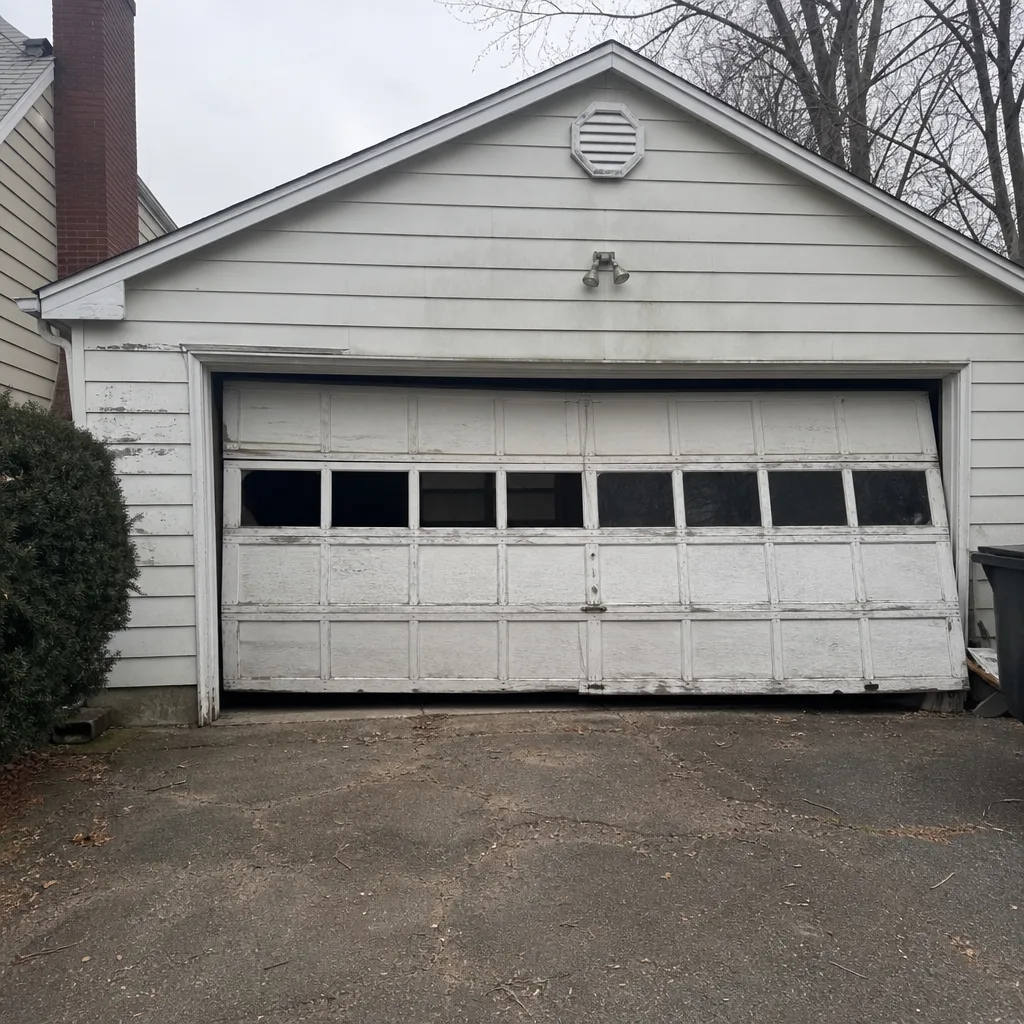 Before
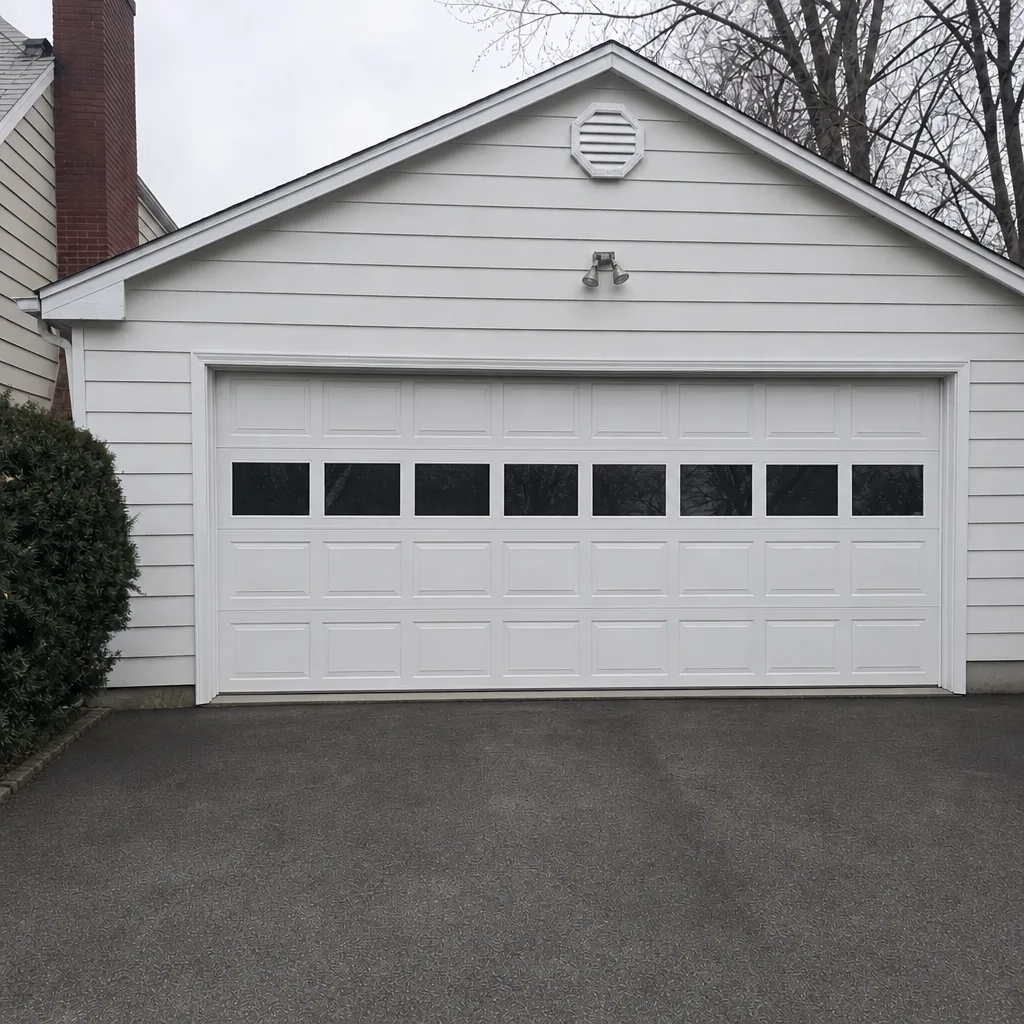 After
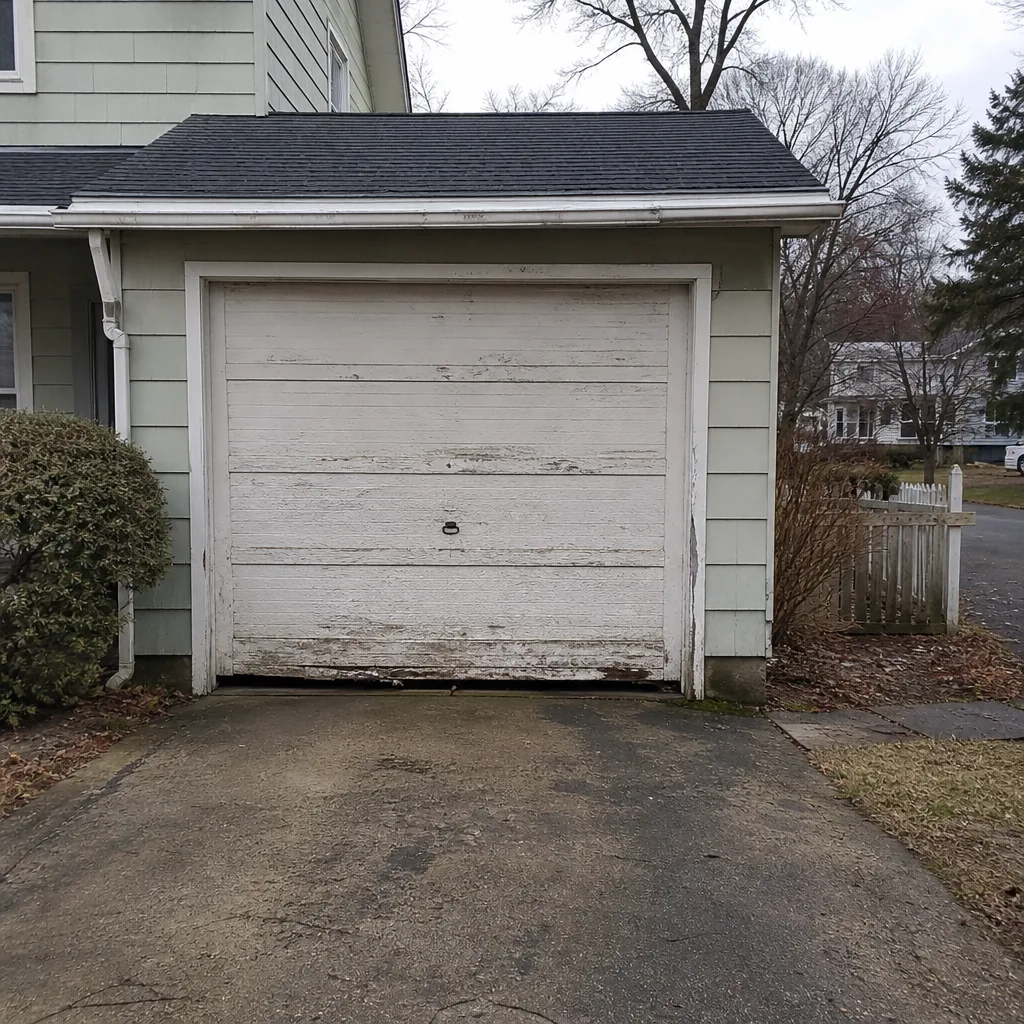 Before
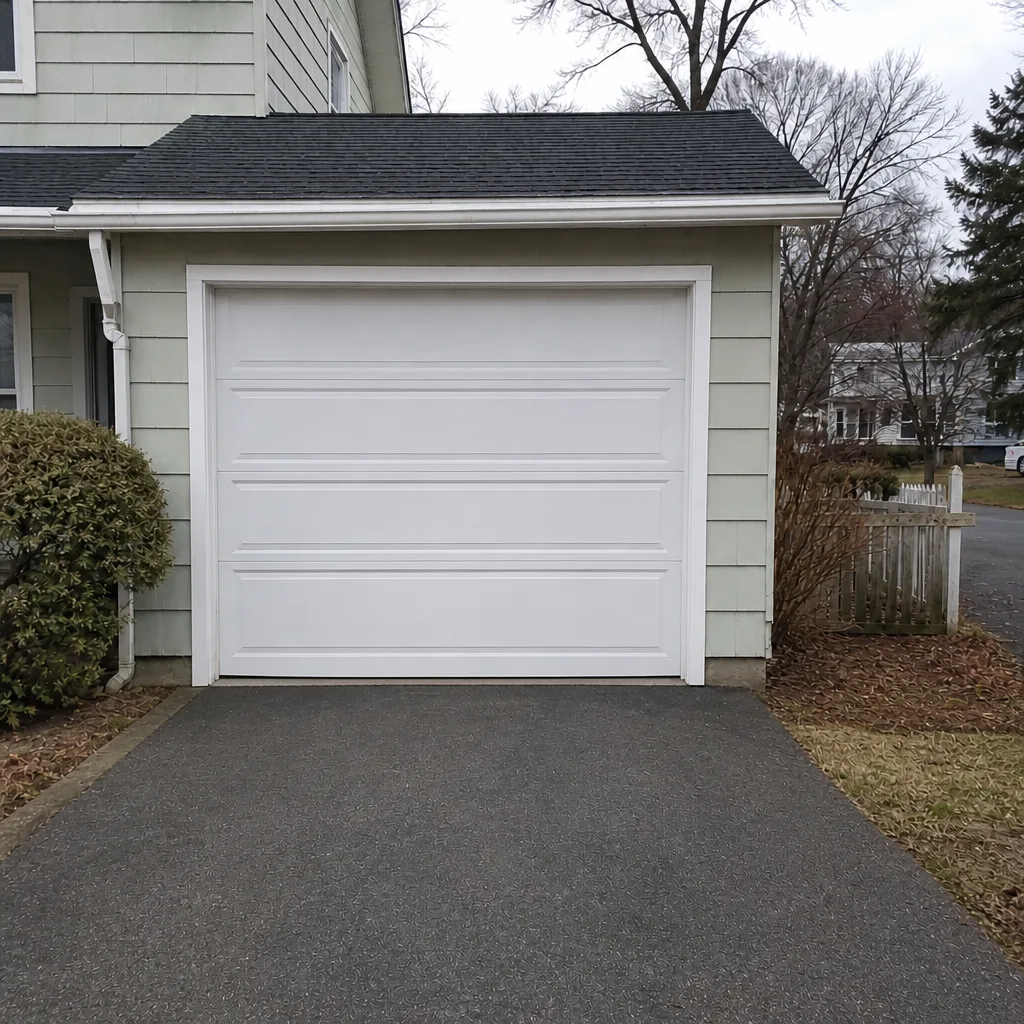 After
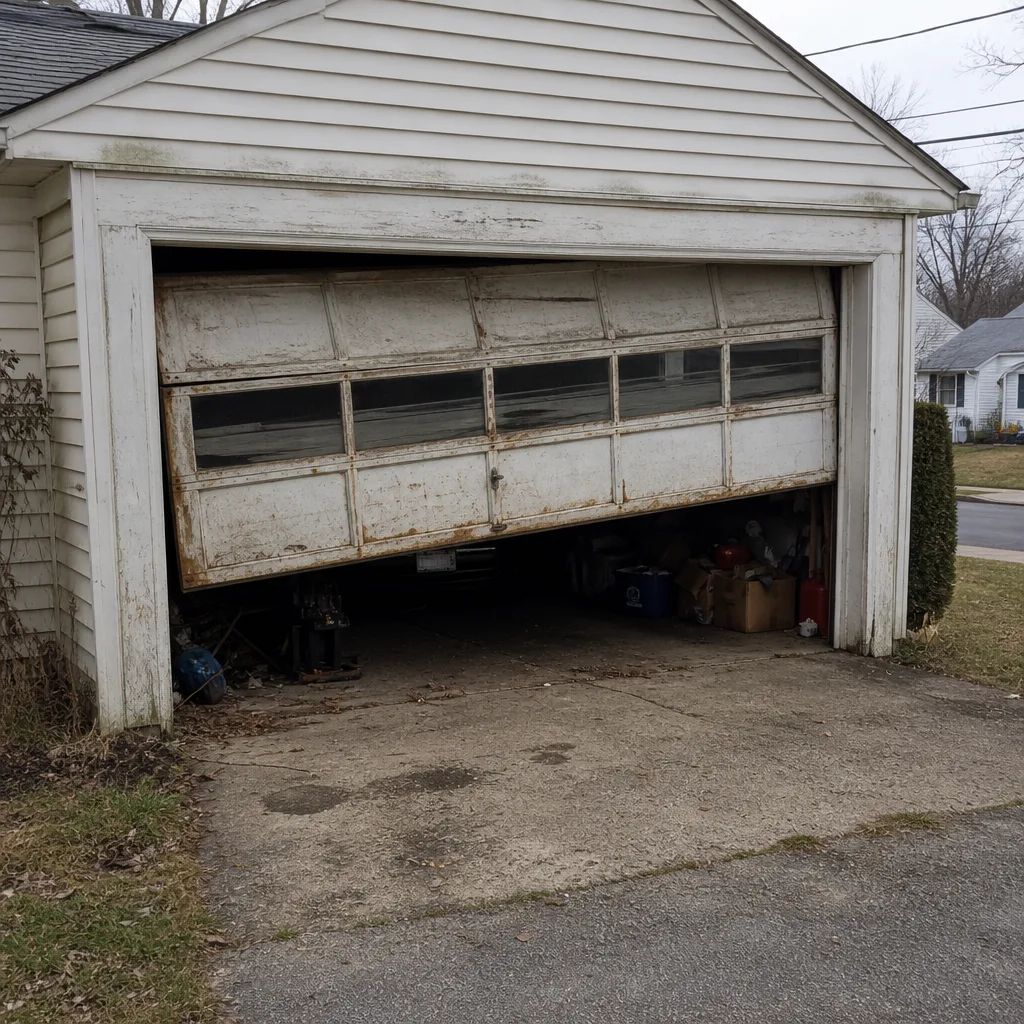 Before
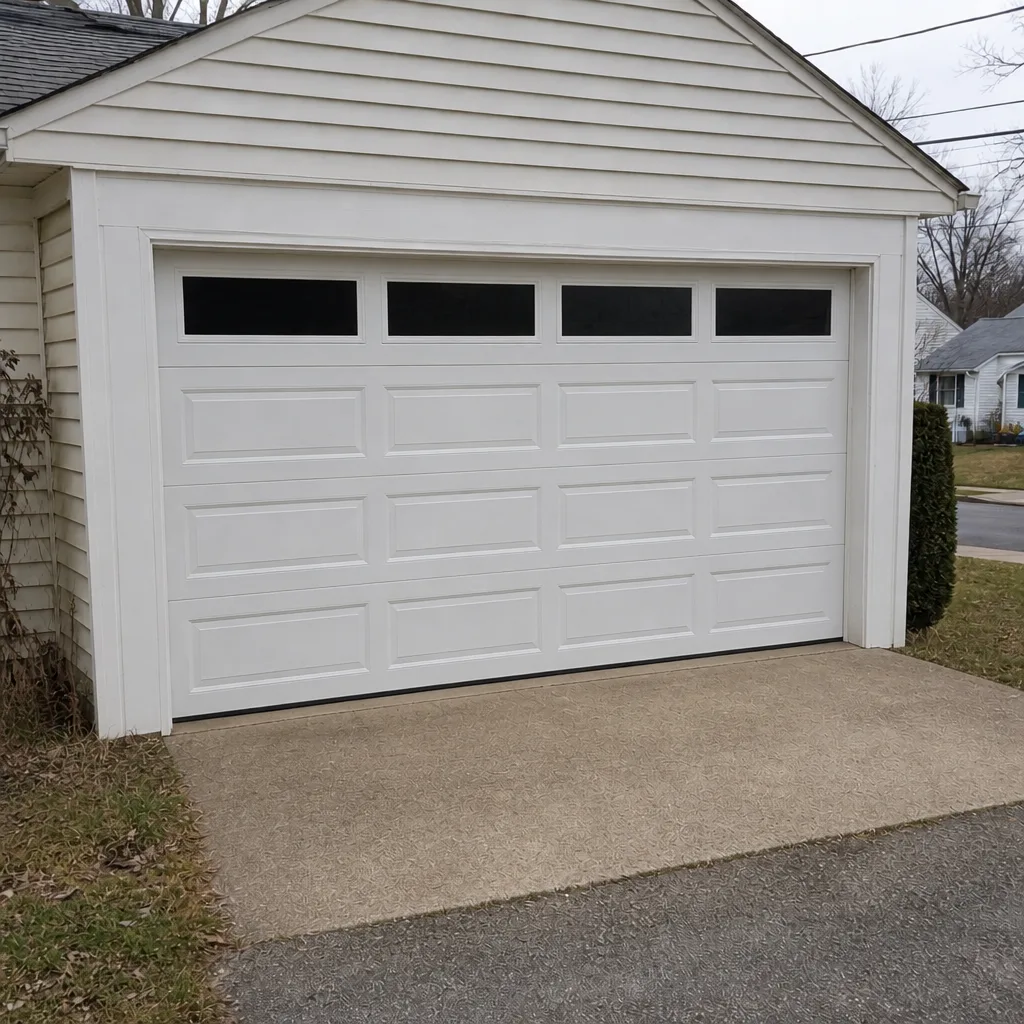 After
Common Mistakes to Avoid
We see the same handful of seasonal mistakes around Norwalk, and each one costs more to fix than it would have cost to prevent. The list:
- Waiting until the door stops working to think about it. An annual tune-up in the fall catches a spring that’s drifting before February snaps it. The tune-up is cheaper than the emergency call.
- Using WD-40 or household oil on the spring and tracks. Those products attract dust and gum up in cold weather. Use a garage-door-specific lubricant on hinges, rollers, and the spring.
- Adjusting torsion springs without the right tools. Torsion springs are under enough tension to cause serious injury if they slip. No homeowner should be winding a spring with a wrench and a YouTube video. Call a professional.
- Ignoring the bottom seal. A cracked seal lets in cold, moisture, and salt, and it stresses the opener through the winter. Replacing a seal is a small job compared to the water damage underneath.
- Assuming a reversing door is a broken opener. In March and April, a door that reverses mid-travel is often a swollen or misaligned door, not a failing opener. Diagnose the door first.
- Painting a wood door without sealing the bottom edge. The bottom edge and end grain absorb the most moisture and fail first. Seal those before painting the field.
- Assuming coastal humidity is the same as inland humidity. Norwalk homes closer to the water and the salted roads see more corrosion than inland garages. Mid-winter inspections matter more here than a generic calendar suggests.
When to Call a Professional
Some seasonal tasks are homeowner-safe: lubricating, cleaning tracks, testing auto-reverse, visual inspection of seals and hardware. Others are not, and calling a professional is the right move, not a fallback. Call us if a spring breaks, if the door reverses mid-travel and won’t stay closed, if the door won’t open fully and stops a few inches up, if a track has pulled out of alignment from frost heave, or if your opener hums without lifting the door. We also get called when a wood door swells enough to bind – that’s often a balance and alignment issue that a spring repair scope won’t cover. Our technicians have up to 13 years of experience and work across LiftMaster, Chamberlain, Genie, Clopay, and the other major brands on your door. Norwalk Garage Door Repair Pros offers free estimates in Norwalk – call (855) 337-1321.
Frequently Asked Questions
Twice a year is the practical answer: once before the first freeze in late fall (October or November) and once after the thaw (April). In between, monthly lubrication through the high-moisture months keeps the moving parts healthy. The two seasonal tune-ups catch the drift and misalignment that the monthly checks don’t.
Because torsion springs have been contracting and expanding through 30-degree temperature swings for three months by February, and the accumulated fatigue is at its highest. Summer use doesn’t stress the spring the same way. A fall balance test and a pre-freeze tune-up catch a spring that’s drifting before it snaps.
Yes, you can apply garage-door-specific lubricant to the spring surface – that’s a safe homeowner task. What you can’t do safely is adjust spring tension or replace a spring. The winding process involves tools and force that a slip can turn into a serious injury. If the spring is losing tension or has broken, call a professional.
Typical estimated ranges for a single spring run in the low-to-mid hundreds, and a matched pair costs about double, since the pair is usually replaced together. The written estimate sets the final price before any work starts, so you’ll know the number before we touch the door. Call (855) 337-1321 for an exact quote – estimates are free.
The most common cause in Norwalk is a wood door that swelled from the wet thaw, making it heavier and tripping the opener’s force-limit safety setting. The door reversing is the safety system working correctly – the underlying cause is the balance and alignment issue. Have the door checked before assuming the opener failed.
Coastal and near-road homes see more corrosion from salt spray and humidity, mostly on hinges, roller stems, and the bottom seal. A mid-winter hardware inspection in late January catches the salt bloom and freeze-thaw loosening before it turns into binding hardware or a misaligned track. Inland homes can skip the mid-winter inspection, but the coastal picture is different.
The Bottom Line
Norwalk’s climate doesn’t wear out a garage door evenly. It stresses it in two windows: the pre-freeze months from October into November, and the thaw in March and April. The rest of the calendar is about lubrication, testing, and small peace-of-mind checks. If you do two professional tune-ups a year, one before the freeze and one after the thaw, and you handle the monthly lubricant yourself, you’ll catch most failures before they happen. The rest, you call. Our technicians have up to 13 years of experience, we work on LiftMaster, Chamberlain, Genie, Clopay, and the other major brands, and we’re set up for the seasonal care and emergency calls that the calendar demands.
If your door is due for a pre-freeze tune-up, or a spring has already gone this season, get it looked at. Norwalk Garage Door Repair Pros offers free estimates in Norwalk – call (855) 337-1321 today and we’ll get your door back on its seasonal schedule.
Written by the team at Norwalk Garage Door Repair Pros.