Last updated November 21, 2026
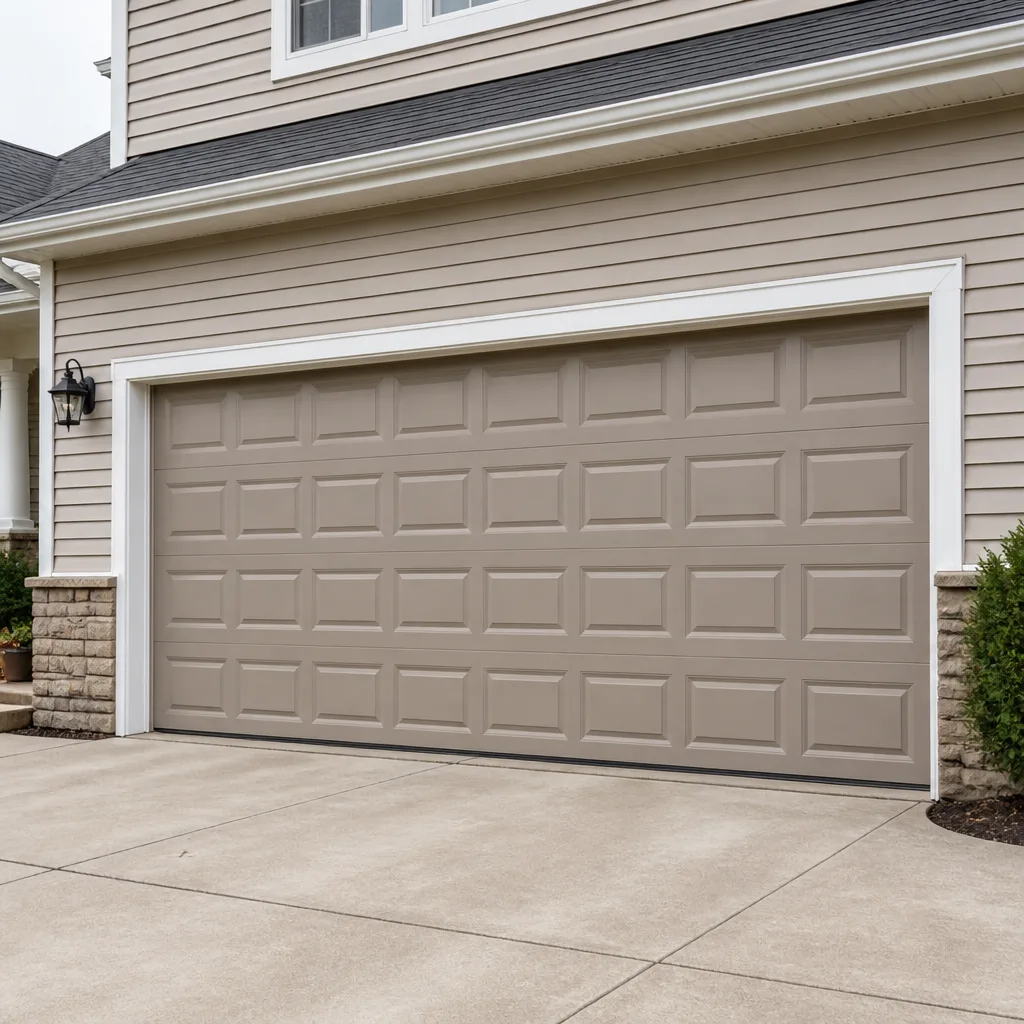 Raised-panel steel
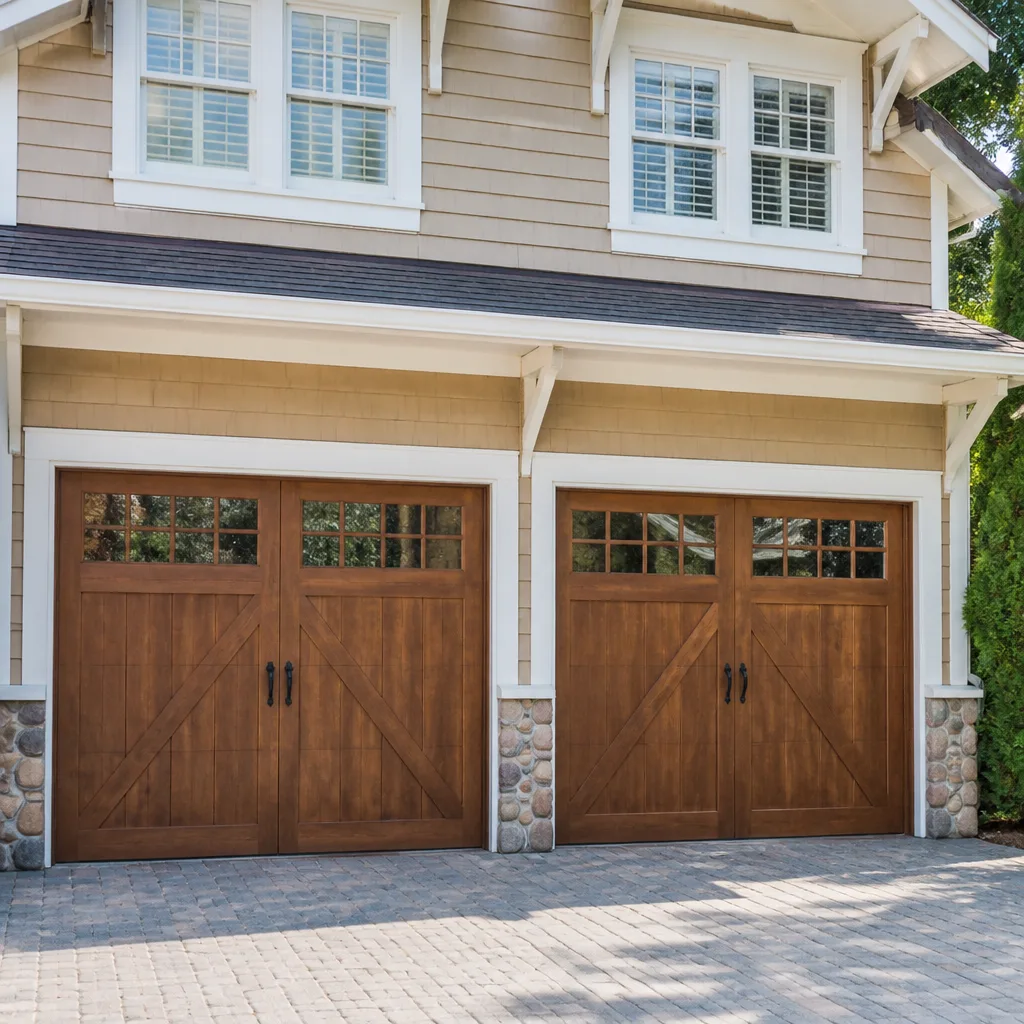 Carriage house
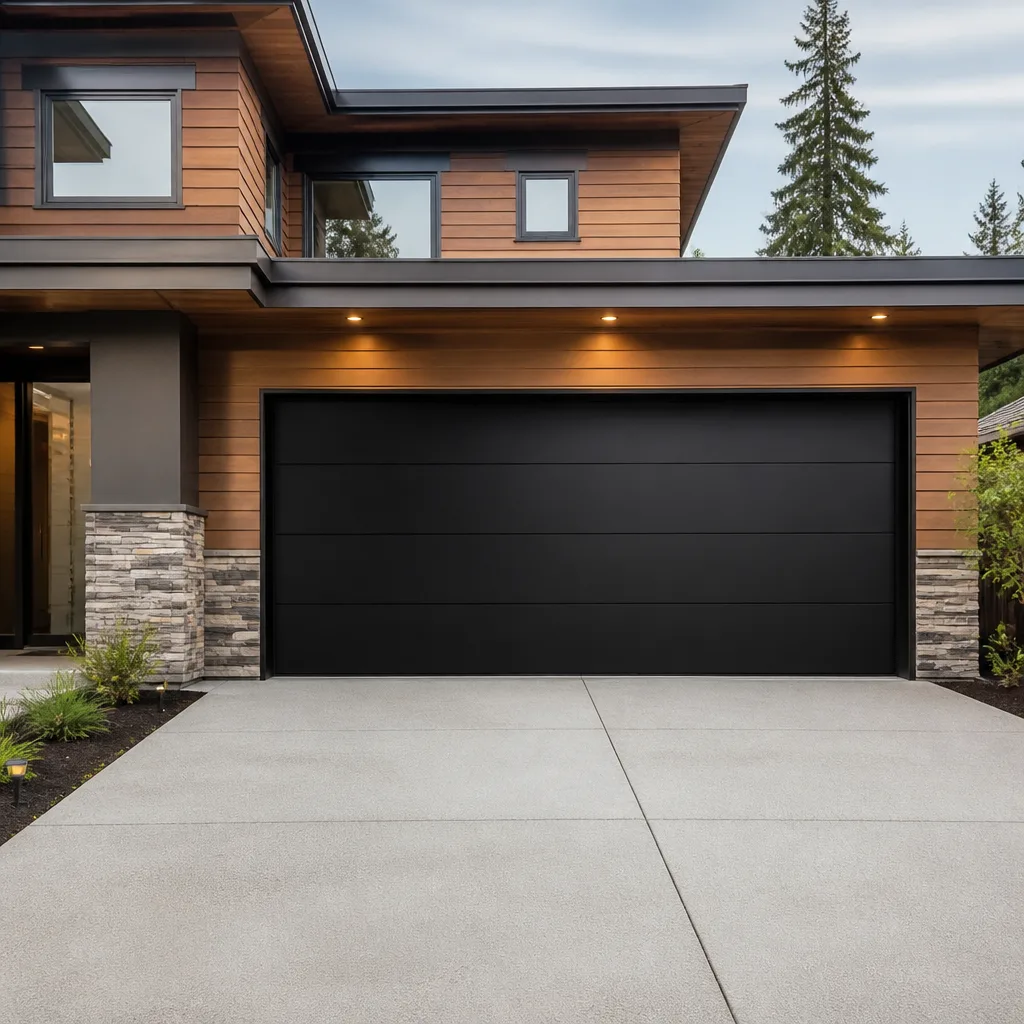 Modern flush
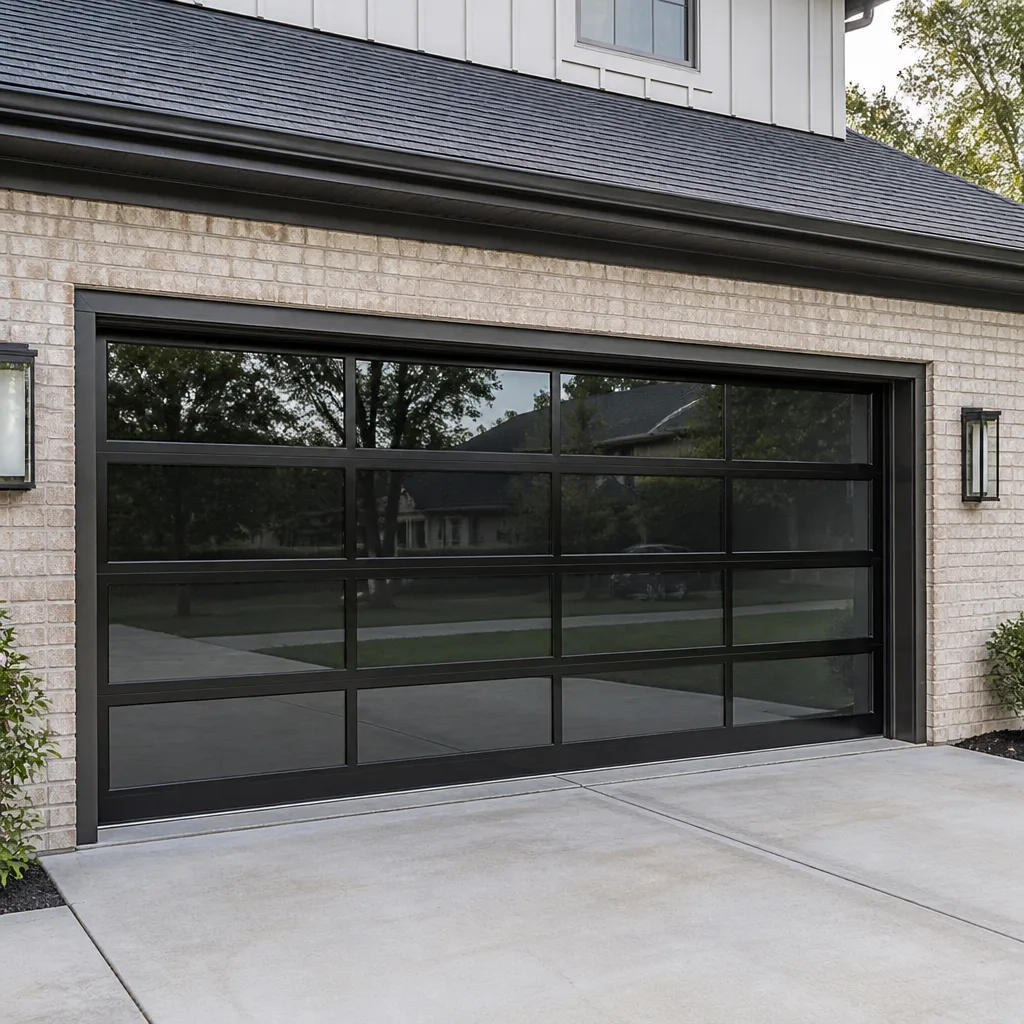 Full-view glass
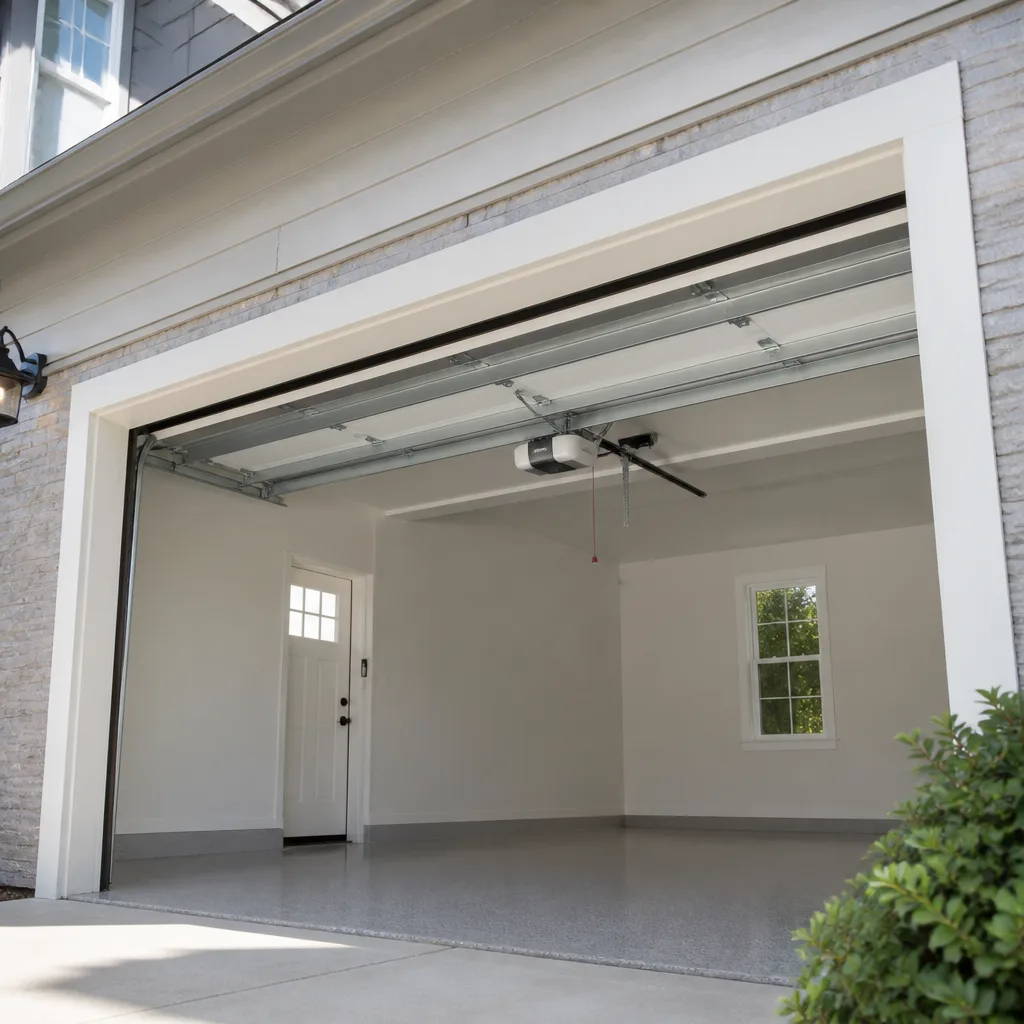 LiftMaster openers
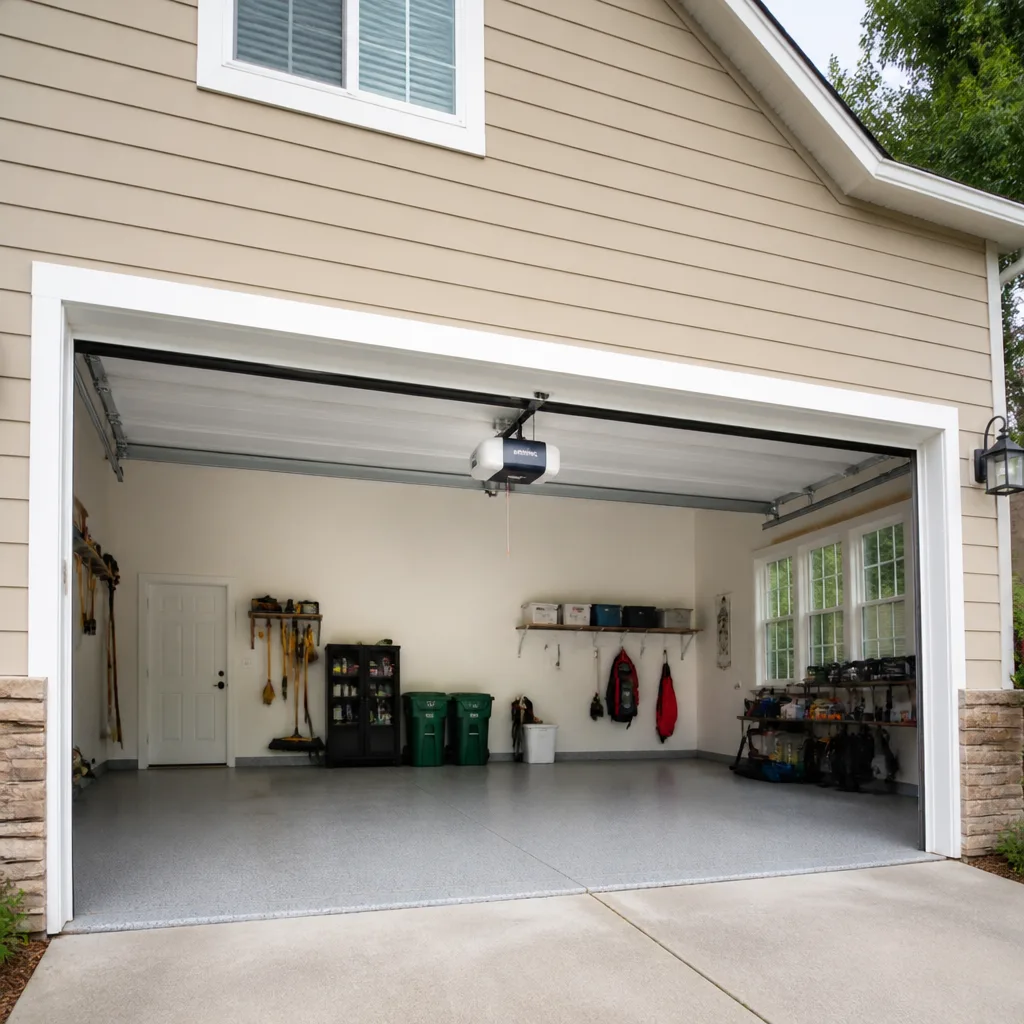 Chamberlain openers
Full 25-point door and opener safety check with every visit - springs, cables, rollers, tracks, and your LiftMaster or Chamberlain opener included
You get a price before we start. It does not change when the pro arrives.
Get your free estimateChoosing the Right Garage Door Brand: A Buyer’s Guide for Norwalk
Most brand advice about garage doors gets written for a climate that isn’t yours. A door that earns glowing reviews in Arizona is a different product once it lives through a Fairfield County winter – humidity that swings hard between seasons, mornings that drop into the twenties, and freeze-thaw cycles that work on every seal and hinge. The brand on the label matters less than whether that brand’s construction, parts supply, and warranty language actually fit Norwalk. In this guide we’ll walk through how to read a spec sheet for cold-climate performance, which brands keep parts close, how opener brands compare, and what “lifetime warranty” really covers. By the end you’ll know how to pick a door brand for Norwalk, not for a showroom in another state.
Quick Answer
The right garage door brand for a Norwalk home is the one whose construction handles cold and humidity, whose parts are stocked close enough to reach you quickly, and whose warranty a local dealer will actually honor. For most homeowners that means a mainstream brand with broad Fairfield County distribution – Clopay, Amarr, Wayne Dalton, or Raynor for doors, and LiftMaster, Chamberlain, Genie, or Craftsman for openers. We work across all eight, so we can match the door to your house and your climate rather than to a single manufacturer’s sales targets.
Styles & brands we work with
- Raised-panel steel
- Carriage house
- Modern flush
- Full-view glass
- LiftMaster openers
- Chamberlain openers
Table of Contents
- Why Norwalk’s Climate Changes How You Read a Brand
- How to Read Manufacturer Specs for Cold and Humidity
- Parts Availability: Which Brands You Can Actually Get Fixed Here
- Comparing Opener Brands for Connecticut Homes
- What “Lifetime Warranty” Really Means in the Fine Print
- How Brand Choice Affects the Cost of a Repair Five Years Out
- A Step-by-Step Way to Choose Your Brand
- Common Mistakes to Avoid
Why Norwalk’s Climate Changes How You Read a Brand
A garage door in Norwalk lives a harder life than the same door in a dry, mild market. The reason is cycling. Doors here open and close through humid summers, damp shoulder seasons, and winters that push well below freezing, and every one of those cycles flexes the same panels, rollers, and weather seals. A finish that holds up in steady dry heat can fail faster when moisture sits on it and then freezes.
That has three practical consequences for brand choice.
First, the door’s skin and finish matter as much as its core. Steel doors dominate the market, and the quality of the steel coating and paint system is what separates a door that looks new after several winters from one that starts showing rust at the bottom edge. When you compare brands, compare the finish system, not just the panel style.
Second, insulation value and thermal performance aren’t the same thing. A manufacturer’s published R-value describes the panel’s center. The real-world performance of a door in a Norwalk garage depends just as much on how well the panels fit together, how tight the perimeter seal is, and whether the bottom weatherstrip actually contacts the floor. A high-R panel with weak sealing will underperform a mid-R panel installed with care.
Third, hardware takes the beating. Hinges, rollers, and springs all see temperature swings that dry-climate buyers never think about. Brands that use standard, well-supported hardware are easier to keep running here than brands that use proprietary fittings you have to special-order.
None of this means one brand wins outright. It means you should read every brand’s specs through the lens of a Norwalk winter, not a national marketing sheet. That’s the filter we apply when we talk a homeowner through options in Norwalk.
How to Read Manufacturer Specs for Cold and Humidity
Spec sheets are written to look impressive, so you need to know which numbers carry real weight in a cold, humid climate and which are decoration. Here’s what to pull out of a Clopay, Amarr, Wayne Dalton, or Raynor spec sheet before you decide.
Galvanization and steel coating
Look for how the steel is protected against corrosion, not just whether it’s “galvanized.” A heavier coating and a multi-layer paint system hold up better through humidity cycling than a thin single coat. A spec sheet that states the coating clearly is a brand that expects people to ask. A sheet that hides it behind “premium finish” language is telling you something too.
Finish warranty language
The finish warranty is where brands put their real confidence. Read the duration and, more importantly, the exclusions. Some brands exclude finish claims near the bottom edge or near hardware. In a climate with as much moisture as Norwalk, the bottom edge is exactly where problems show up, so check whether the warranty covers it.
Insulation value vs. thermal performance
Treat the published R-value as a starting point. Then ask about panel joint design, perimeter sealing, and whether the door is specified with a thermal break. These details determine whether the number means anything in your garage. A door with a modest R-value and tight sealing can outperform a high-R door that leaks around every panel seam.
Panel and section construction
- Two-inch or thicker sections generally insulate and hold shape better than thin sections.
- Steel-back or insulated-back construction resists denting and adds stiffness.
- Reinforced hinges wear more evenly under repeated temperature cycling.
- Weatherstrip quality and bottom seal design matter for both thermal and moisture control.
When we compare brands for a Norwalk homeowner, we line these up side by side and let the details decide. It’s rarely a mystery once the specs are on the table.
Parts Availability: Which Brands You Can Actually Get Fixed Here
A brand is only as good as its parts network. This is the single most overlooked factor in brand choice, and it’s where homeowners get burned. A door with a beautiful finish and a weak parts network means a spring or panel could take much longer to arrive than you’d expect.
Parts availability in the Norwalk and Fairfield County area breaks into a few tiers.
Broadly supported brands
Clopay, Amarr, Wayne Dalton, and Raynor are common in this market and have distributor channels that reach Fairfield County, so springs, panels, and hardware are generally accessible without long waits. LiftMaster, Chamberlain, Genie, and Craftsman openers are similarly well supported. These brands are the low-friction choice if you value quick repairs.
Brands with longer lead times
Some brands and some models use proprietary panels or hardware that have to be ordered from a regional distributor, which adds time to any repair. That’s not a dealbreaker, but it’s a factor. Before you commit to a brand, ask one direct question: if I need a panel or spring next year, how long will it take to get?
Springs are the telling test
Springs are the most commonly replaced component and the one that tells you the most about a parts network. A brand whose springs and hardware are standard makes garage door spring repair straightforward. A brand with proprietary springs is a harder fix in any market.
Our brand-specific knowledge of these eight manufacturers means we diagnose accurately the first time instead of guessing across unfamiliar hardware. But even beyond our shop, do your own parts check. A door brand with local support will cost you less anxiety over time than one with a great brochure and a thin parts chain.
Comparing Opener Brands for Connecticut Homes
The opener is the other half of the equation, and the criteria that matter in Connecticut are different from the ones a shopping site will highlight. Here’s how the four common brands – LiftMaster, Chamberlain, Genie, and Craftsman – compare on the things that count for a Norwalk household.
Cold-weather motor performance
Winter mornings are hard on openers. Cold grease stiffens, batteries deliver less current, and a motor that worked fine in September suddenly struggles in January. Belt-drive and well-built chain-drive units handle cold better than cheaper units, and the difference shows up on the coldest mornings. LiftMaster and Chamberlain (which share engineering lineage) are widely respected here. Genie and Craftsman are solid along the same lines when the unit is properly sized.
Battery backup
Connecticut power interruptions are part of life, and a garage door that won’t open during an outage cuts off your access to home and vehicle. Battery backup is worth specifying. LiftMaster and Chamberlain offer models with integrated backup, and Genie offers capable alternatives. Ask specifically whether the unit you’re considering has a battery backup option and how long it’ll open the door on charge.
Smart home compatibility
If you want your opener to work with a smart home system, check compatibility before you buy. LiftMaster and Chamberlain have strong smart-platform support. Genie and Craftsman are serviceable, but support varies by model and generation. If smart control matters to you, confirm it on the exact model number you’re ordering.
Safety sensor quality
Every modern opener must have functioning safety sensors that reverse the door when something is in the path. Sensor quality varies, and a cheap sensor is a common cause of a door that won’t close. Ask about sensor construction and how the unit handles sensor faults.
When a Norwalk homeowner’s opener fails, our first move is to identify the brand and model so we can garage door opener repair with the right parts and troubleshooting sequence, rather than working blind across hardware we don’t recognize.
What “Lifetime Warranty” Really Means in the Fine Print
“Lifetime warranty” is one of the most misunderstood phrases in this trade. It rarely means the whole door is covered forever. It usually means a specific component is covered for the life of the original purchaser, with conditions. Read the fine print before you assume a brand’s warranty is stronger than another’s.
Here’s what typically sits under the umbrella.
Section and panel coverage
The door sections themselves are usually the longest-covered part. Claims typically exclude damage from impacts, improper installation, or paint-modified finishes. That’s why the finish warranty is separate from the section warranty in most brands’ documents.
Finish exclusions
Finish warranties are often shorter than section warranties, and they almost always exclude corrosion that begins near hardware, edges, or areas modified after factory finishing. In a humid climate, those exclusions matter. Read where the finish warranty stops.
Hardware and spring exclusions
Hinges, rollers, and springs are usually covered for a much shorter period, or not at all, because they’re considered wear items. A door warranty that reads “lifetime” on the sections can still leave you paying for every hinge and spring replacement. Know which parts are consumed like tires on a car and which are structural.
Transferability
Many warranties don’t transfer to a new owner, or they transfer with reduced coverage. If you may sell your home, ask before you buy.
We work across LiftMaster, Chamberlain, Genie, Clopay, Amarr, Wayne Dalton, Craftsman, and Raynor, so we can talk through how each brand’s warranty language compares. But the general rule holds: read the exclusions, not the headline, and ask a local dealer whether the warranty is honored in practice in Fairfield County, not just written on paper.
How Brand Choice Affects the Cost of a Repair Five Years Out
The price of a door isn’t just the invoice at installation. It’s the sum of every repair for as long as you own the door, and brand choice shapes that total more than most homeowners expect. Two identical-looking doors can have very different repair costs if one uses standard hardware and the other uses proprietary parts.
Here’s the logic to keep in mind.
- Standard hardware equals fast, cheaper repairs. If your hinges, rollers, and springs are common parts, any competent garage door technician can fix them with a part on hand or a quick order.
- Proprietary hardware equals longer waits and higher prices. If a brand uses a custom spring, custom bracket, or custom track fitting, the part has to be sourced through that brand’s channel, which usually costs more and takes longer.
- Finish and seals drive cosmetic costs. Doors with weaker finishes need repainting or panel replacement sooner in Norwalk’s humidity cycling.
- Opener model affects electronics repair. Older or unusual opener models can mean parts that are hard to source, which can push you toward full replacement earlier.
- Installation quality compounds everything. A well-supported brand installed correctly will always cost less over time than a well-reviewed brand installed poorly.
If you ever need garage door repair on a brand with standard hardware, the repair is fast and predictable. On a brand with proprietary parts, we can still get it done, but we’d rather you knew the trade-off before you choose.
For new installations, we help you weigh this future-cost picture against the upfront price so your garage door installation lands on a brand you can actually live with. And when you’re ready for a deeper service request, you can reach us through Norwalk Garage Door Repair Pros.
A Step-by-Step Way to Choose Your Brand
Here’s a practical sequence to follow, from first question to final decision. It’s the same order we use when we help a Norwalk homeowner think through a door or opener brand.
- Start with your climate needs. Write down what your garage actually faces: winter cold, humidity cycling, how often the door opens in a day. This narrows the field before you look at any brand.
- Match the door material to the use. Steel is the default; insulation and section thickness should match whether the garage is attached to living space.
- Read the spec sheet for coating, finish, and sealing. Compare galvanization, paint system, and perimeter seal design across two or three brands.
- Check the parts network. Ask a local dealer which springs, panels, and hardware are stocked and which have lead times.
- Compare opener options separately. Use the cold-weather, battery backup, and smart-compatibility criteria rather than picking the cheapest opener on the door order.
- Read the warranty exclusions carefully. Note the finish and hardware limits, not just the headline “lifetime” claim.
- Get a written estimate with the brand and model specified. The written estimate sets the final price, so make it exact.
That’s the whole method. Most brand confusion disappears once you line up those seven points.
Common Mistakes to Avoid
- Choosing a brand based on a national review score. A door that’s well reviewed in a dry, mild climate may not perform the same in Norwalk’s humidity cycling. Check the climate-relevant specs, not just the star rating.
- Ignoring parts availability. A brand with a great brochure and a thin local parts network can leave you waiting for a spring or panel. Ask about parts before you commit.
- Treating published R-value as thermal performance. Insulation value is a starting point. Sealing and panel fit decide the real-world result in a Norwalk garage.
- Assuming “lifetime warranty” covers everything. Finish, hardware, and springs usually sit under shorter or excluded coverage. Read the fine print.
- Picking the opener last. The opener is half the system. Compare it on cold-weather performance, battery backup, and sensor quality before the door order is finalized.
- Accepting a verbal estimate only. Ask for a written estimate that names the brand and model. Without it, the number can drift by the time the work starts.
- Choosing a brand that uses only proprietary hardware. Repairs down the line may cost more and take longer. Standard hardware keeps future service simpler.
- Skipping the local dealer check. A brand that’s honored in practice in Fairfield County is worth more than a brand with strong claims in a distant market.
See the difference
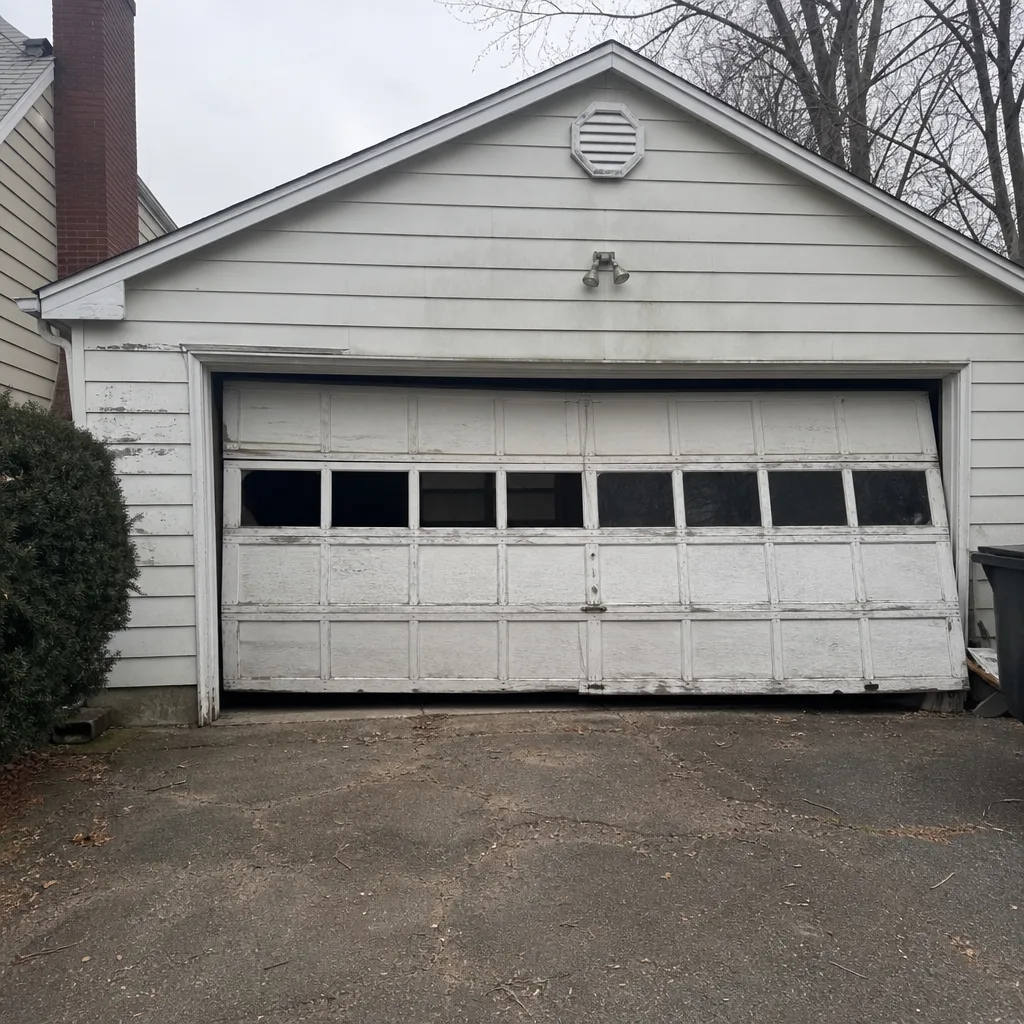 Before
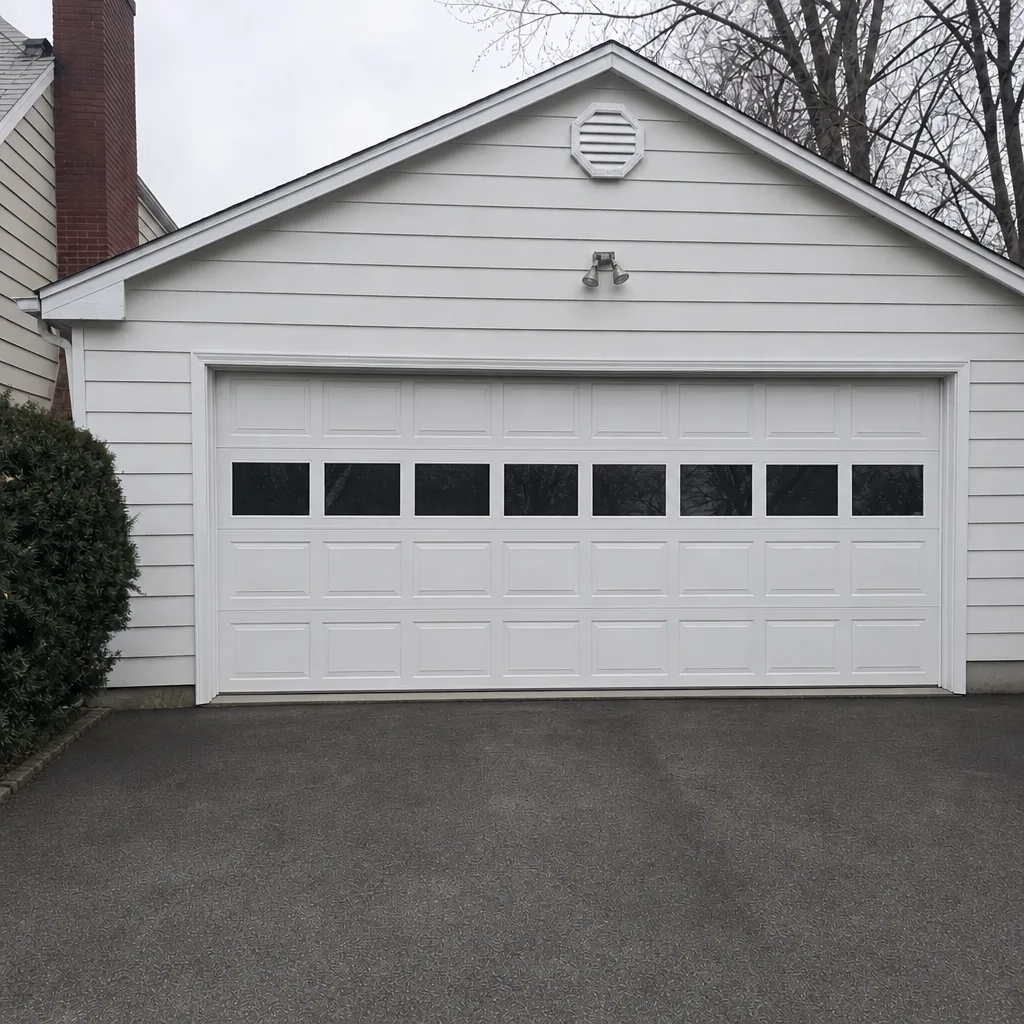 After
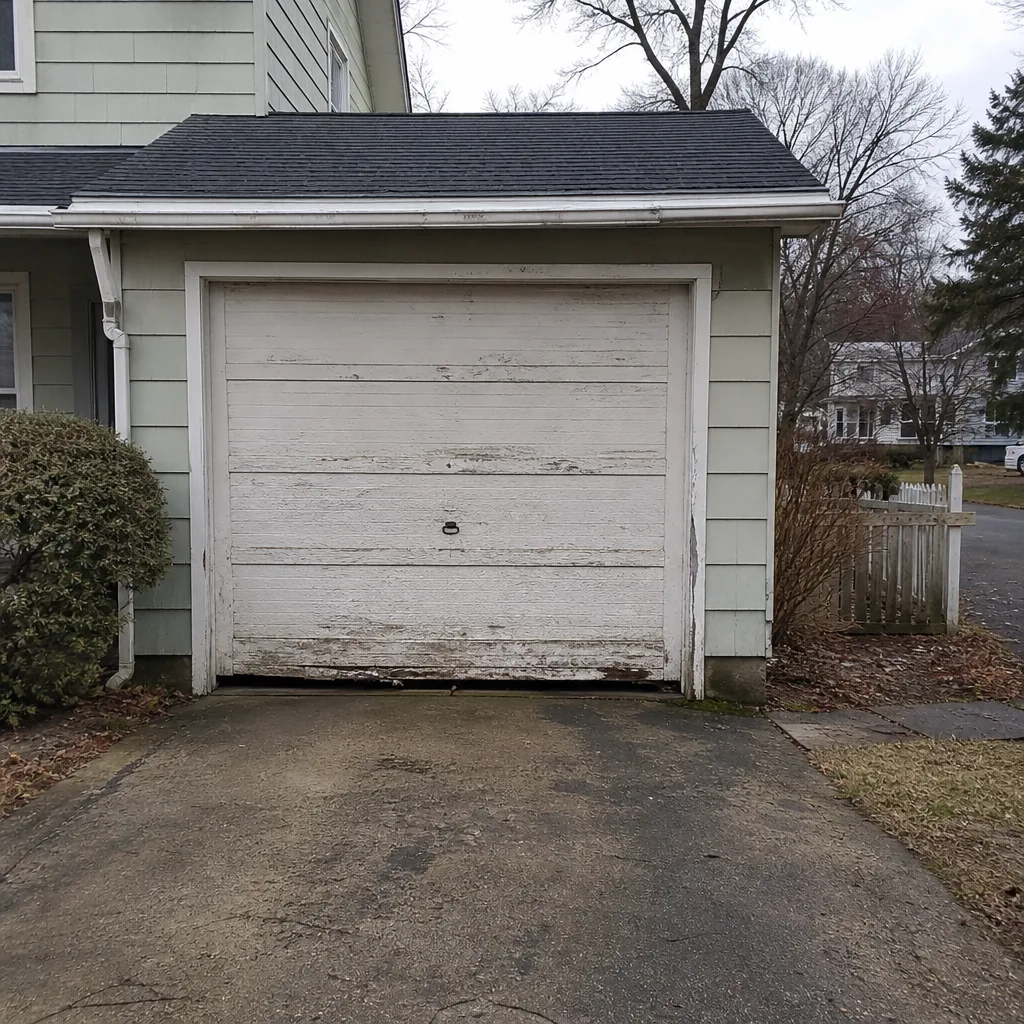 Before
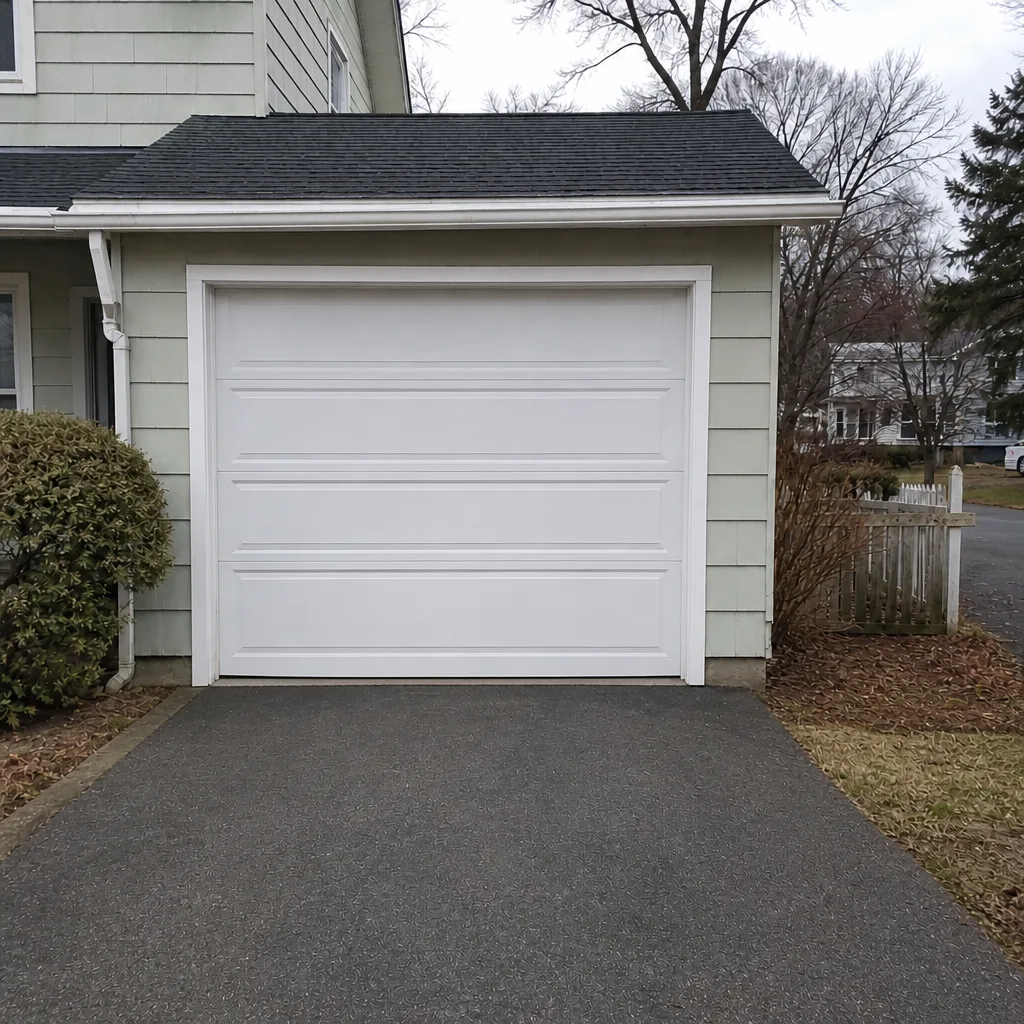 After
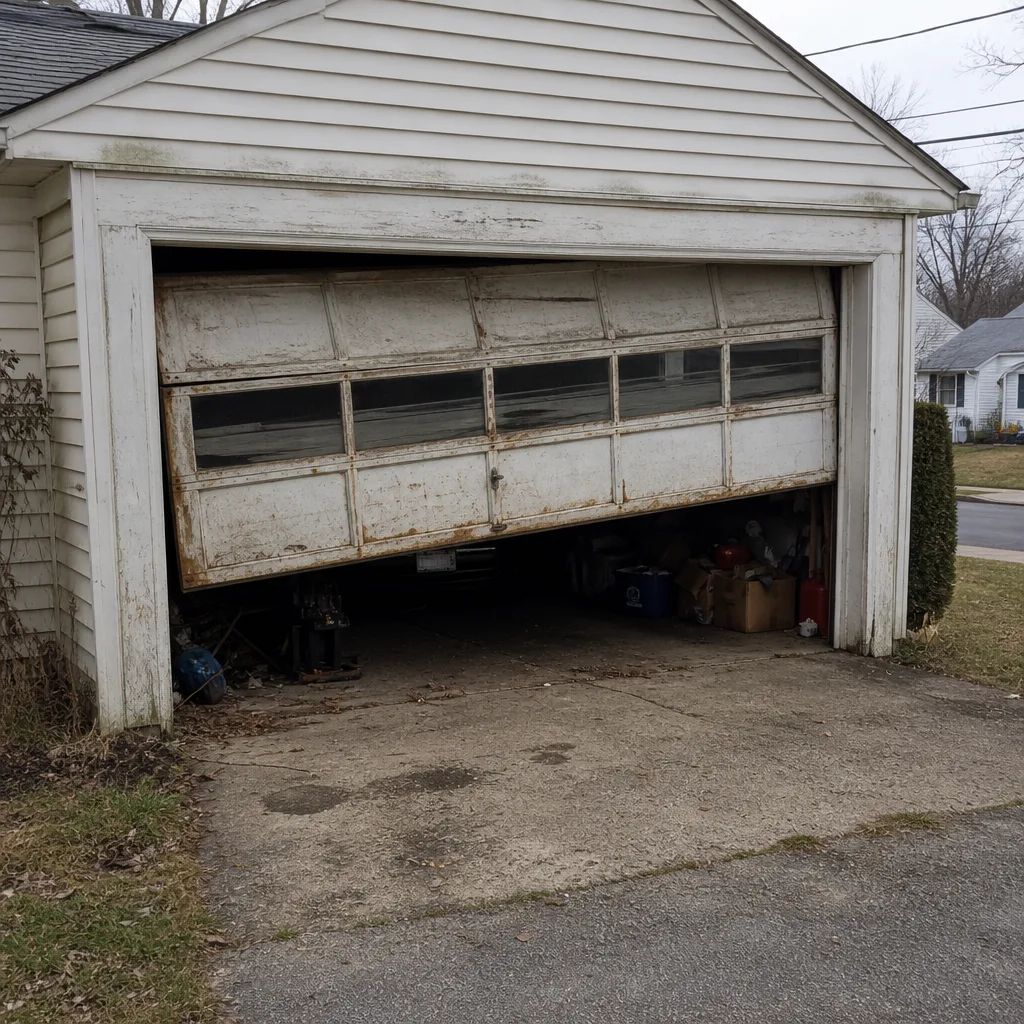 Before
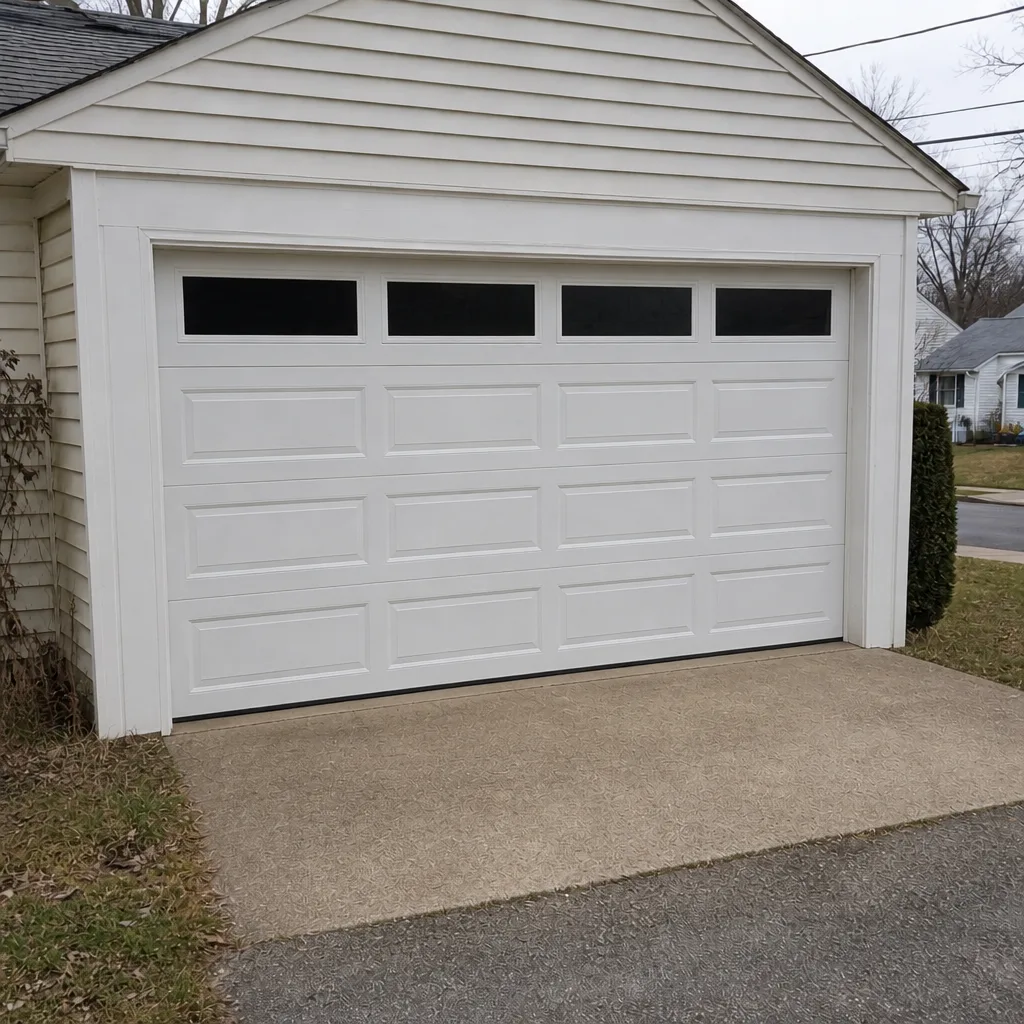 After
When to Call a Professional
Brand choice is a discussion, not a form. We’re glad to have it. Call us when you’re comparing two door brands and can’t tell which fits your house and climate. Call when you want a written estimate that names the brand and model. Call when your existing door’s finish or panels are failing and you need to know whether to repair or replace. Call when you’re choosing an opener and want a straight read on cold-weather and battery backup options. Norwalk Garage Door Repair Pros offers free estimates in Norwalk – call (855) 337-1321 to start. For urgent situations, our emergency garage door service is available to homeowners who need help now. Our technicians have up to 13 years of experience, and they know these eight brands well enough to say what’s worth paying for and what isn’t. The price is quoted and agreed before any work starts.
Frequently Asked Questions
For most Norwalk homes the best choice is a mainstream brand with broad Fairfield County distribution – typically Clopay, Amarr, Wayne Dalton, or Raynor for doors and LiftMaster, Chamberlain, Genie, or Craftsman for openers. That’s because those brands combine climate-suitable construction with parts networks that reach this area. Call (855) 337-1321 for a free estimate – we can walk you through the trade-offs for your specific house.
No, not always. R-value describes the panel’s center, and actual thermal performance also depends on panel fit, perimeter sealing, and bottom weatherstrip contact. A high-R door with a loose seal can underperform a mid-R door installed tightly. Ask about sealing and installation quality alongside the insulation number.
Clopay, Amarr, Wayne Dalton, Raynor, LiftMaster, Chamberlain, Genie, and Craftsman all have distributor support that reaches Fairfield County. Some brands and models use proprietary parts that take longer to source. Before you commit, ask your local dealer directly how long a spring or panel would take on your chosen brand.
It’s worth reading, but not worth relying on as a whole-door promise. Most “lifetime” warranties cover the door sections, with shorter or excluded coverage on finish, hardware, and springs. Read the exclusions carefully, and ask whether the warranty is honored in practice by local dealers. Call (855) 337-1321 and we can help you decode a specific brand’s fine print.
LiftMaster and Chamberlain have strong reputations for cold-weather motor performance and offer models with battery backup. Genie and Craftsman are solid choices when the unit is properly sized. Whichever brand you pick, specify battery backup and check sensor quality, which is a common cause of a door that won’t close.
It can. Brands with proprietary springs, brackets, or track fittings often cost more and take longer to fix because the part has to come through that brand’s channel. Brands that use standard hardware make future repairs faster and more predictable. If you’re weighing this, call (855) 337-1321 – estimates are free.
The Bottom Line
Brand choice for a Norwalk garage door is a climate question, a parts question, and a warranty question, in that order. The brand that looks best on a national review site isn’t necessarily the one that fits your house through a Fairfield County winter. Read spec sheets for the details that matter – coating, finish, sealing, and standard hardware – and check that parts are actually reachable here. Compare openers separately on cold-weather performance, battery backup, and smart compatibility. And read the warranty exclusions, not just the headline. Pick a brand you can keep fixing, not just one you can buy. We work across all eight major brands, so we can give you a straight read on which is right for your house.
Have more questions or want a written estimate? Call Norwalk Garage Door Repair Pros at (855) 337-1321 – free estimates, and the price is quoted and agreed before any work starts.
Written by the team at Norwalk Garage Door Repair Pros.