Last updated November 21, 2026
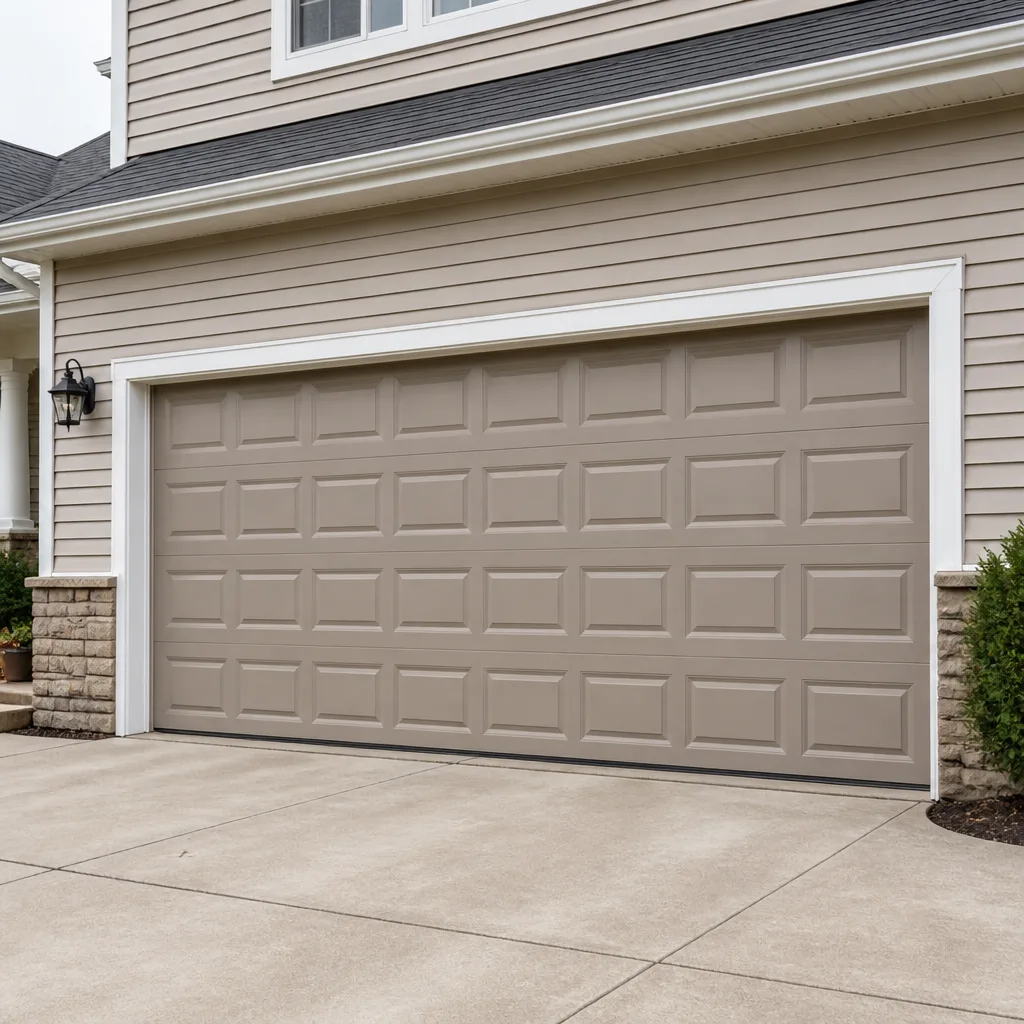 Raised-panel steel
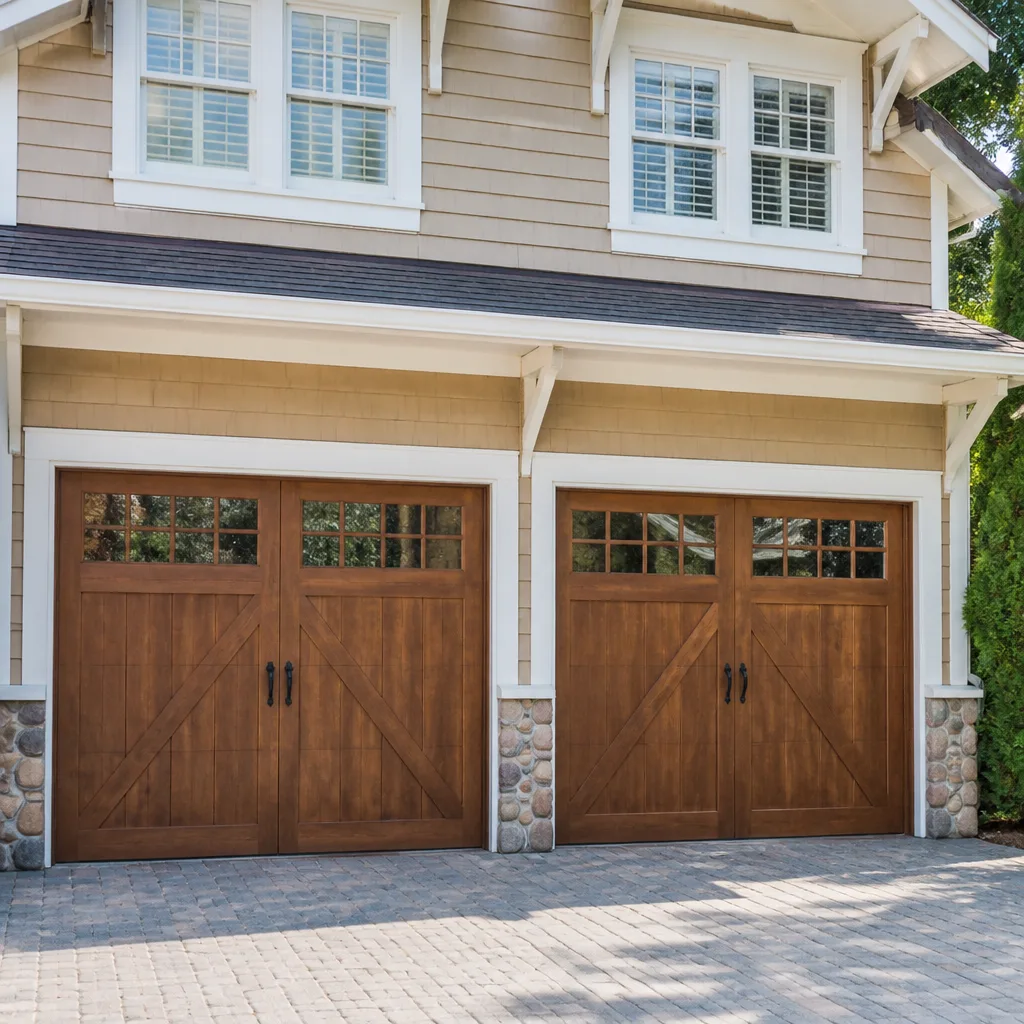 Carriage house
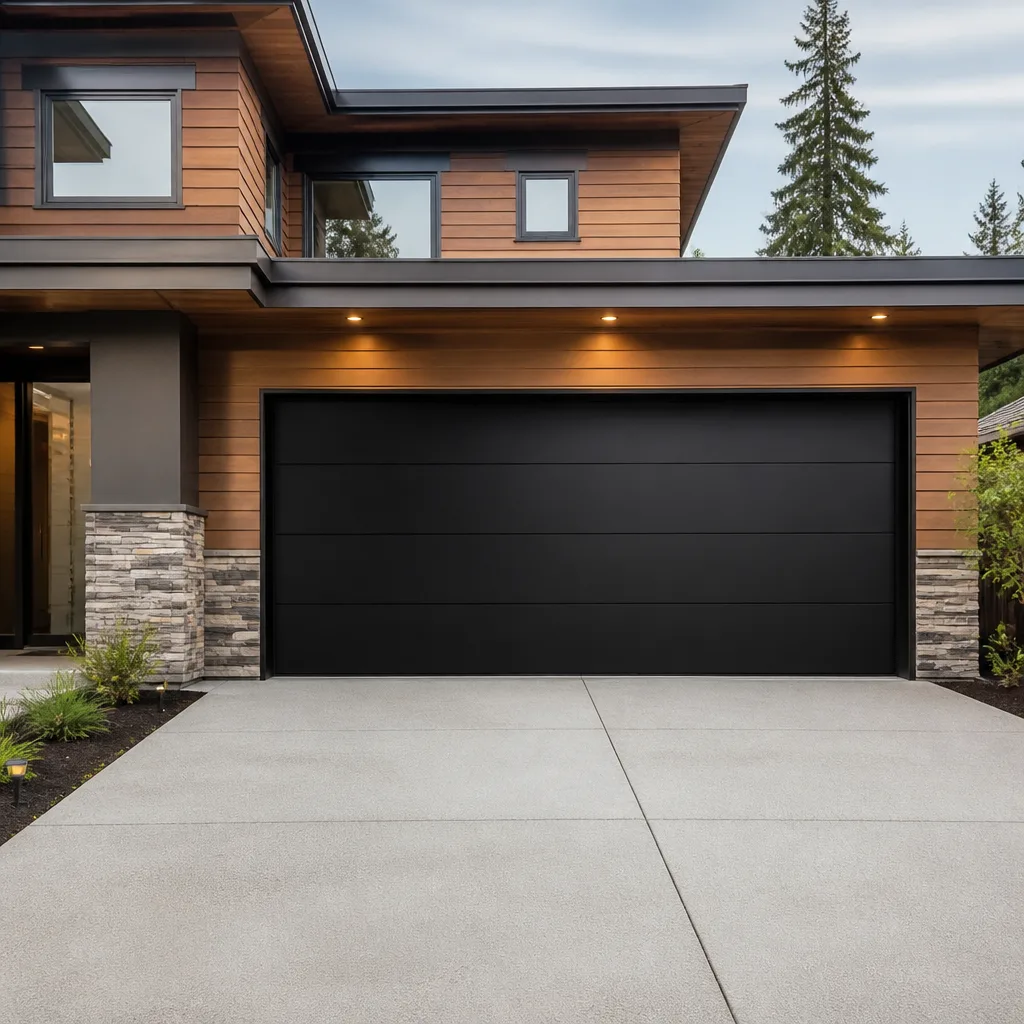 Modern flush
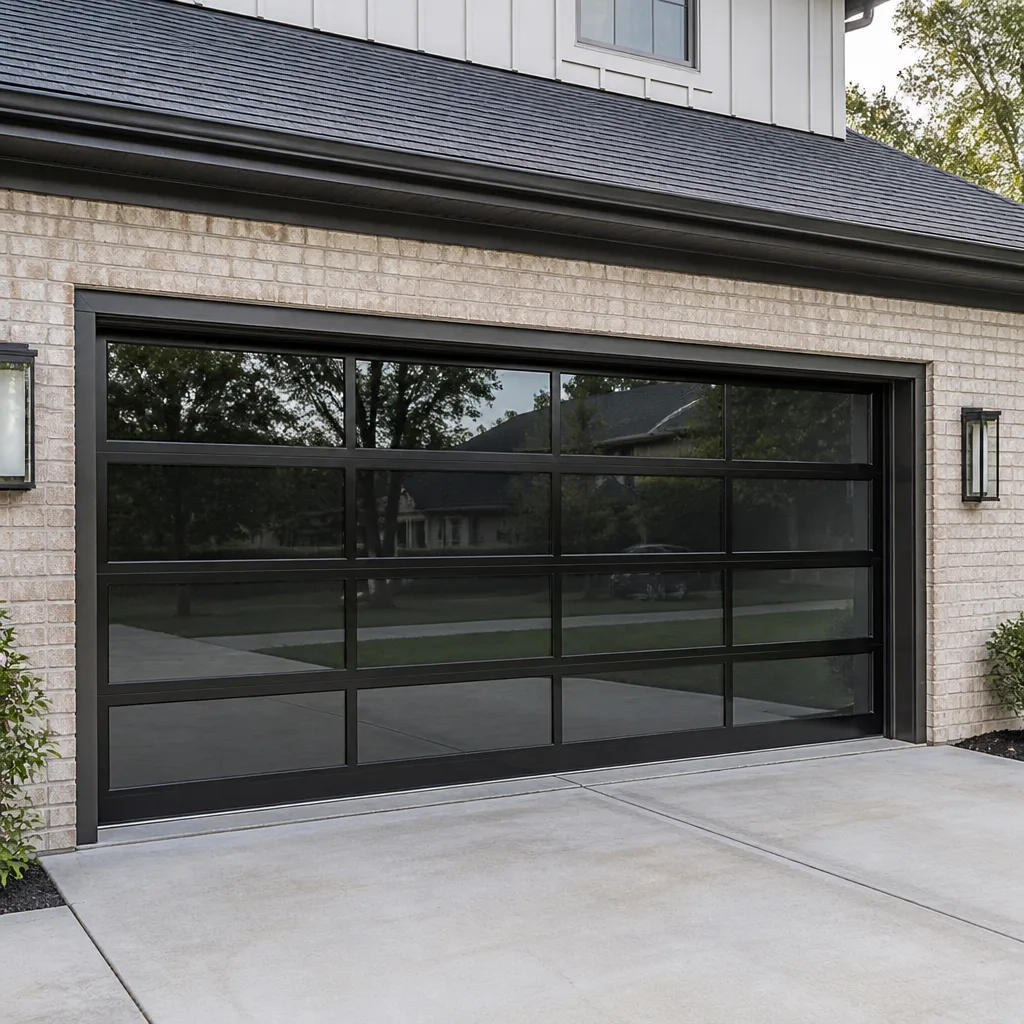 Full-view glass
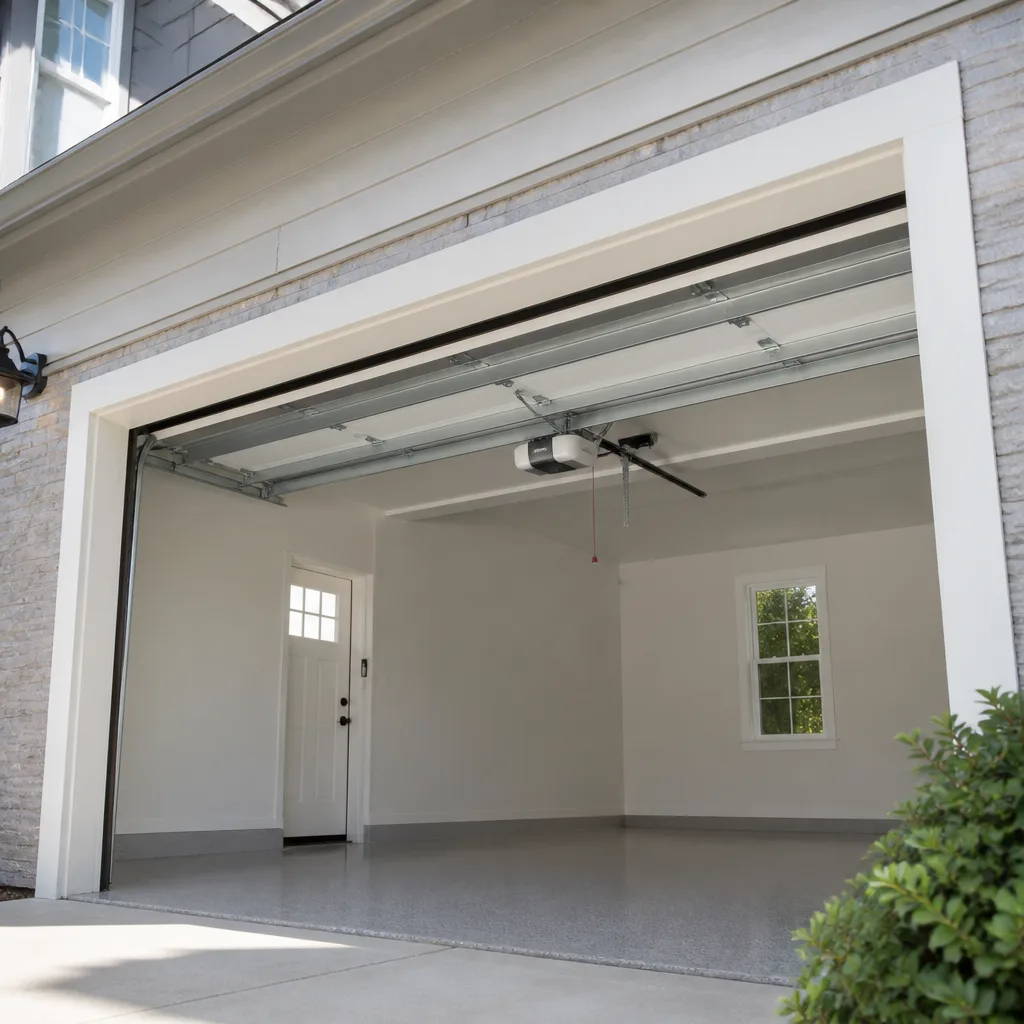 LiftMaster openers
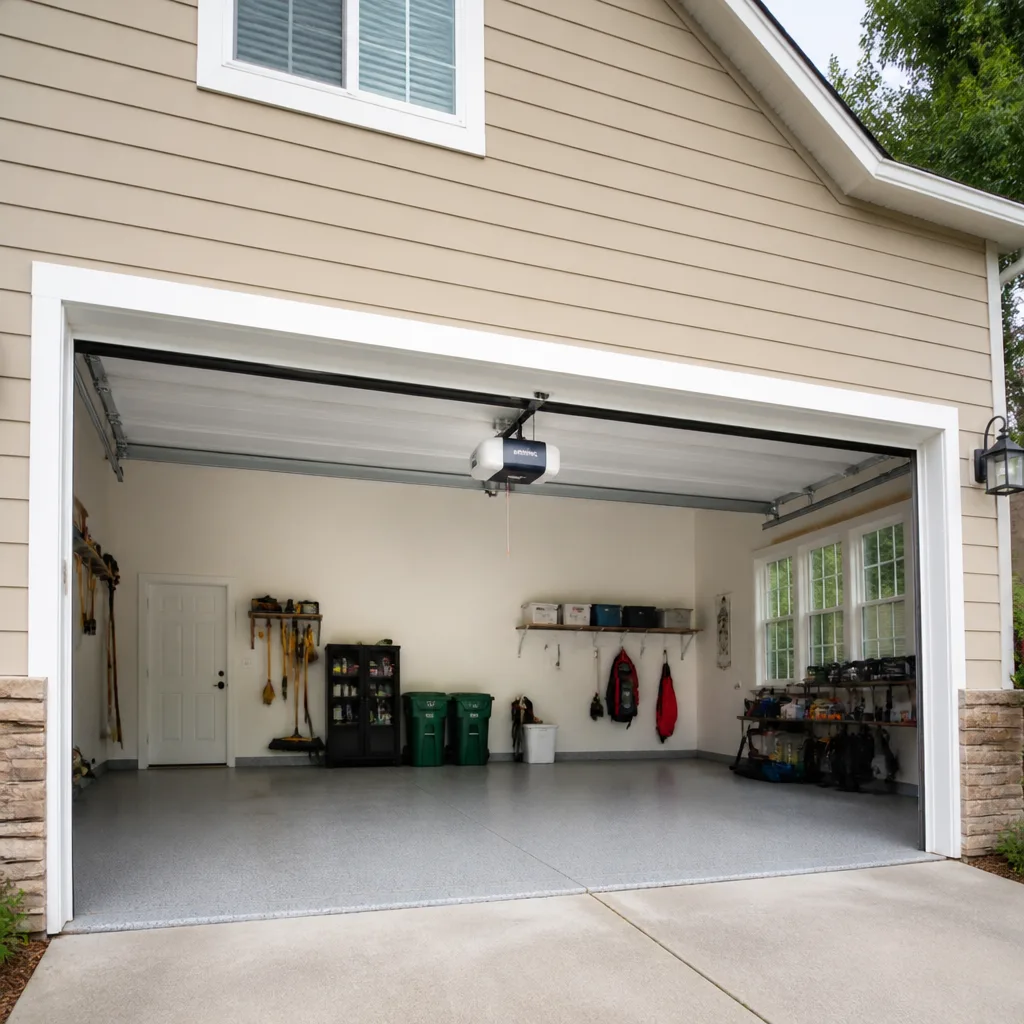 Chamberlain openers
Full 25-point door and opener safety check with every visit - springs, cables, rollers, tracks, and your LiftMaster or Chamberlain opener included
You get a price before we start. It does not change when the pro arrives.
Get your free estimateThe Complete Guide to Garage Doors in Norwalk
Most garage door advice you’ll read online was written for a national audience, and it shows. It talks about “typical” wear patterns and “average” replacement timelines that assume a dry, stable climate and a housing stock built all at once. Norwalk is none of those things. Old Cape Cods on the east side, mid-century ranches, newer townhomes near the river, and a coastal climate that treats metal hardware very differently than inland Connecticut all sit within a few miles of each other. So one-size-fits-all guidance fails here more than almost anywhere in the state. This guide covers what actually matters in Norwalk: how the local climate affects your door, how to tell repair from replacement, which manufacturer lines you’re most likely to find in local homes, and how to read your own door’s label before you call anyone.
Quick Answer
A garage door in Norwalk typically lasts 15 to 30 years depending on material and how well it’s maintained, and the single biggest factor in whether you repair or replace comes down to the door’s age, its structural condition, and the type of opener attached to it. Springs, cables, rollers, and openers are all serviceable parts and get repaired far more often than the door itself. The panels, framing, and tracks are what determine whether a full replacement makes sense. If your door is under 15 years old and structurally sound, repair almost always wins.
Styles & brands we work with
- Raised-panel steel
- Carriage house
- Modern flush
- Full-view glass
- LiftMaster openers
- Chamberlain openers
Table of Contents
- How Norwalk’s Climate Affects Your Garage Door
- What Door Construction Actually Matters Near the Sound
- How to Read Your Garage Door Label Before You Call
- Repair vs. Replacement: The Real Thresholds
- Which Manufacturer Lines Are Most Common in Norwalk
- Springs: Why They Fail and Why You Shouldn’t Touch Them
- Openers: When to Repair and When to Upgrade
- A Simple Maintenance Routine for Norwalk Homeowners
How Norwalk’s Climate Affects Your Garage Door
Norwalk sits on Long Island Sound, and that location shapes how garage door hardware ages in ways that inland Connecticut towns simply don’t experience. Homes closer to the water see a consistent cycle of moisture in the air, morning fog, and temperature swings that pull condensation onto cold metal surfaces. That condensation settles into the small gaps on torsion springs, hinges, and track joints, and it accelerates surface corrosion on any component that isn’t galvanized or well-coated. Inland neighborhoods like Cranbury or Wilton-adjacent sections of northern Norwalk see more freeze-thaw cycling during the winter but far less persistent humidity the rest of the year.
What this means in practice is that two doors of the same age, installed the same year, can be in very different condition depending on where in Norwalk they sit. A steel door on a home near Shorehaven or Calf Pasture Beach will typically show rust at panel seams and a chalky finish years before a comparable door in Silvermine does. Springs under constant humidity don’t fail faster because of moisture alone, but the cable ends and the brackets holding them do corrode, and that’s what causes premature wear on the springs themselves.
Track alignment is another factor. The freeze-thaw cycle pushes the ground under garage slabs in ways that can shift a door’s frame slightly over many seasons. Sections of Norwalk with older, smaller garages and narrow driveways are especially prone to this because the door frame sits closer to the soil line, so frost movement reaches it sooner.
- Homes near the water: check spring brackets and hinge pins annually for corrosion
- All of Norwalk: expect temperature-driven expansion and contraction to loosen bolts seasonally
- Older homes with narrow garages: watch for track misalignment after hard freezes
- Every door: lubricate hinges and rollers before winter each year
What Door Construction Actually Matters Near the Sound
When homeowners in Norwalk ask us about a new door, the conversation usually turns to insulation and how the door is built. If your garage is attached to the house, as most Norwalk garages are, the door is effectively a wall of the home’s thermal envelope. That means the construction choices that matter are the same ones an insulation contractor would tell you about: steel gauge, insulation type and R-value, and weatherstrip quality.
Steel Gauge
Most residential steel doors use 24 to 27-gauge steel. Lower numbers mean thicker steel and better resistance to denting. A 24-gauge door costs more than a 27-gauge door, but it holds up far better against regular use and against the small knocks that come from kids, bikes, and shovels. On the coast side of Norwalk, thicker steel also means a thicker factory finish, which holds up better against the constant moisture.
Insulation and R-Value
If your garage is attached to the home and you heat or cool the space above it, an insulated door makes sense. Look at the insulation type: polyurethane foam offers more thermal resistance per inch than polystyrene, and it’s denser, which makes the door quieter. Doors rated for the highest insulation typically run higher in price than non-insulated doors, but the difference in how the garage feels and how much energy the house uses is real in Norwalk’s humid summers and cold winters.
Weatherstrip
Every door needs a bottom seal and side weatherstrip. Homes near the water benefit from a reinforced bottom seal that resists moisture degradation. The strip should sit tight against the threshold without being crushed, and it should flex enough to close the gap that appears when a door expands in heat. If you can see daylight under your closed door, your weatherstrip needs attention before anything else.
How to Read Your Garage Door Label Before You Call
Here’s something most guides skip: you can identify your door’s manufacturer, model, and even its spring specifications before you ever pick up the phone. That saves time on the diagnosis end and helps the person on the other end of the line figure out what parts to plan for. The label is usually on the inside face of the top or bottom panel, or on the vertical stile of the bottom section. On older doors, it may be a metal plate riveted near the hinge.
- Find the label. Look on the inside of the bottom panel, then the inside of the top panel. On some doors, the identification is stamped into the bottom bracket near the opener arm.
- Note the manufacturer. Names like Clopay, Amarr, Wayne Dalton, and Raynor are common here. Craftsman and LiftMaster usually show up on the opener side, not the door itself.
- Write down the model number. This identifies panel style, construction, and whether replacement sections are still available.
- Check the end stile tag for spring wire size. Many doors have a small tag or stamped marking indicating the torsion spring’s inside diameter and wire gauge. This is what a technician needs to match a replacement spring correctly.
- Photograph everything. A single photo of the label, the spring assembly, and the opener nameplate gives a technician more to work with than a description over the phone.
If you can’t find a label, don’t force any hardware trying to look. Take a clear photo of the door from the inside with the door closed, and any technician can identify most doors from the panel profile and the hinge style. When you’re ready to book garage door repair, having those photos ready shortens the conversation considerably.
Repair vs. Replacement: The Real Thresholds
This is the question most Norwalk homeowners actually want answered, and the honest answer depends on three things: door age, structural condition, and opener status.
When Repair Is Usually the Right Call
- The door is under 15 years old and structurally sound
- The problem is isolated to one part: a spring, a cable, a roller, a panel
- The opener is functioning but one component (gear, logic board, safety sensors) has failed
- The tracks and frame are straight and the door runs smoothly when operated manually
When Replacement Makes More Sense
- The door is 20 or more years old and showing multiple failures across panels, tracks, and hardware at once
- Panel sections are dented, rusted through, or no longer available from the manufacturer
- The door is out of balance after repeated spring replacements, suggesting worn torsion bar or bearing plates
- You’re upgrading from a non-insulated door on an attached garage
Opener age factors into the decision too. An opener that’s 15 or more years old and paired with a new door will usually fail sooner than it otherwise would, because a new door is heavier and the motor and gear assembly are working against a load they weren’t designed for. In that scenario, the sensible plan is often to replace the door and the opener together as a single written price rather than paying for them in two separate visits. We don’t rush that decision. Our technicians have up to 13 years of experience and can tell you when a repair genuinely buys you years and when it’s a stopgap.
Which Manufacturer Lines Are Most Common in Norwalk
Norwalk’s housing mix means the doors and openers here span a wide range. The older homes tend to have doors from manufacturers that were local or regional at the time of installation. The newer construction leans toward the mainstream national brands. In our experience, the lines we see most often across Norwalk homes are Clopay and Amarr on the door side, and LiftMaster, Chamberlain, Genie, and Craftsman on the opener side. Wayne Dalton and Raynor also show up on a meaningful share of properties, particularly in the years when those manufacturers were especially active in the region.
Why does this matter for parts availability? Two reasons. First, some doors use panel profiles and spring configurations that are unique to one manufacturer, so knowing the brand upfront means a technician arrives with the right parts on hand rather than making a second trip. Second, on the opener side, chamberlain and LiftMaster share a lot of internal components, while Genie and Craftsman use different gear configurations. A technician who has worked on all of them can diagnose an opener issue the first time rather than testing components one by one.
This is where brand familiarity earns its keep. A company that works on only one brand will tell you everything looks like that one brand’s problem. A general handyman without brand-specific experience will guess. We work across all eight of these major lines because the doors and openers in Norwalk homes genuinely require it. For opener-specific work, see our garage door opener repair page for the details on how we diagnose liftmaster and craftsman systems differently from genie and chamberlain units.
Springs: Why They Fail and Why You Shouldn’t Touch Them
Garage door springs are one of the most dangerous components of any home system, and they’re also one of the most commonly mishandled. A torsion spring under tension stores an enormous amount of energy. If it’s adjusted incorrectly, cut while wound, or released without the proper winding bars and knowledge, the result is severe injury. The safe answer is always the same: do not attempt to replace or adjust a spring yourself. Call a trained technician.
What you can do is recognize the signs a spring is failing. If your door feels much heavier than it used to when you open it manually, if the opener strains to lift it, or if the door only opens partway before stopping, the spring is suspect. A visible gap in a torsion spring (a break along its length) confirms it. There is no safe fix that doesn’t involve replacing the spring.
Spring types vary. Torsion springs mount horizontally above the door; extension springs mount alongside the tracks. Most modern doors use torsion springs because they last longer and fail more predictably. On a spring replacement, matched springs are almost always replaced together, because a pair installed at the same time and cycled the same number of times wears at the same rate. Our garage door spring repair page walks through the process in more detail.
One more thing Norwalk homeowners should know: the humidity cycle here can accelerate corrosion on the cable ends and brackets that hold the spring assembly. That corrosion doesn’t cause the spring to break on its own, but it shortens the life of the assembly as a whole. Inspecting the brackets each year and lubricating the pivot points is the single simplest way to extend the life of your spring system.
Openers: When to Repair and When to Upgrade
Your opener is a small computer attached to a very large moving door, and when it stops working, the whole house feels the effects. The good news is that most opener failures are repairable and don’t require a new unit. The most common failures we see in Norwalk homes are failed logic boards on older units, worn gears on Genie and Craftsman units, and misaligned or dirty safety sensors that trip and prevent the door from closing. Each of these is a repair, not a replacement.
The signs that mean you should consider upgrading instead include an opener more than 15 years old, one that’s lost its remote interoperability or fails a safety reverse test even after adjustment, and an opener that struggles with a door that has recently gained weight, such as after a new panel or a rebuilt spring assembly.
Safety Reverse Test
- Place a 2×4 flat on the floor directly under the center of the closed door.
- Press the wall button to close the door.
- Watch for the door to reverse immediately on contact with the wood.
- If it does not reverse, the opener needs adjustment or service before the door is used again.
This is the one diagnostic step we ask homeowners to do themselves, because it takes ten seconds and tells you whether you have a safety problem. Any failure to reverse should be treated as urgent. Our opener repair service handles this and every other opener failure, and we’re set up for emergency situations when the door is stuck open or closed at the wrong time.
A Simple Maintenance Routine for Norwalk Homeowners
Most garage door problems we see in Norwalk homes could have been delayed or avoided with five minutes of maintenance a couple of times a year. The routine is simple, and none of it requires tools beyond a rag and a can of lubricant.
- Lubricate hinges, rollers, and the spring pivot points with a silicone-based or white lithium lubricant. Do this before winter in Norwalk and again in early spring. Never use WD-40 as a lubricant on rollers; it’s a solvent, not a long-term lubricant.
- Inspect the springs. Look for a visible gap along a torsion spring. Check the cable ends for corrosion. If anything looks compromised, stop using the door and call a technician.
- Test the balance. Disconnect the opener, lift the door halfway, and let go. A balanced door stays where you put it. A door that falls is out of balance and the spring is likely the cause.
- Test the safety reverse using the 2×4 method above.
- Check the weatherstrip. Look for daylight under the door when closed. Replace any bottom seal that has cracked or lost its flex.
- Tighten the bolts on the hinge plates and track brackets. Seasonal temperature swings loosen these over time, and a slightly loose bracket that vibrates against a hinge is the source of most “new” noises.
Following this routine on any Norwalk door will typically extend the time between service calls and catch small problems before they become the kind that leave you calling from the driveway at 7 a.m.
Common Mistakes to Avoid
- Assuming a heavy door means the opener is the problem. It usually means the spring has broken or lost tension. Replacing an opener on a door with a failed spring will just fail the new opener faster.
- Trying to wind or replace a torsion spring yourself. This is the single most dangerous mistake a homeowner can make with a garage door. Springs are under enough tension to cause serious injury, and no amount of YouTube research substitutes for the proper tools and training.
- Ignoring a door that won’t reverse on contact. A door that fails the safety reverse test is a safety problem that needs to be resolved before the door is used again, not a maintenance item to get to on the weekend.
- Replacing one spring of a pair. Matched springs wear at the same rate. Replacing only one leaves the older one to fail soon after, so the door ends up back out of service within months.
- Buying a new opener to solve a sensor problem. Dirty or misaligned safety sensors cause the majority of “opener won’t close” complaints. Check the sensors first. It costs nothing.
- Choosing a door on price alone without checking insulation or gauge. In an attached Norwalk garage, a cheap non-insulated door costs more to live with than the difference in purchase price.
- Calling a general handyman for spring or opener work. These are specialized systems, and a generalist without brand-specific experience will often diagnose by trial and error, which takes longer and costs more.
See the difference
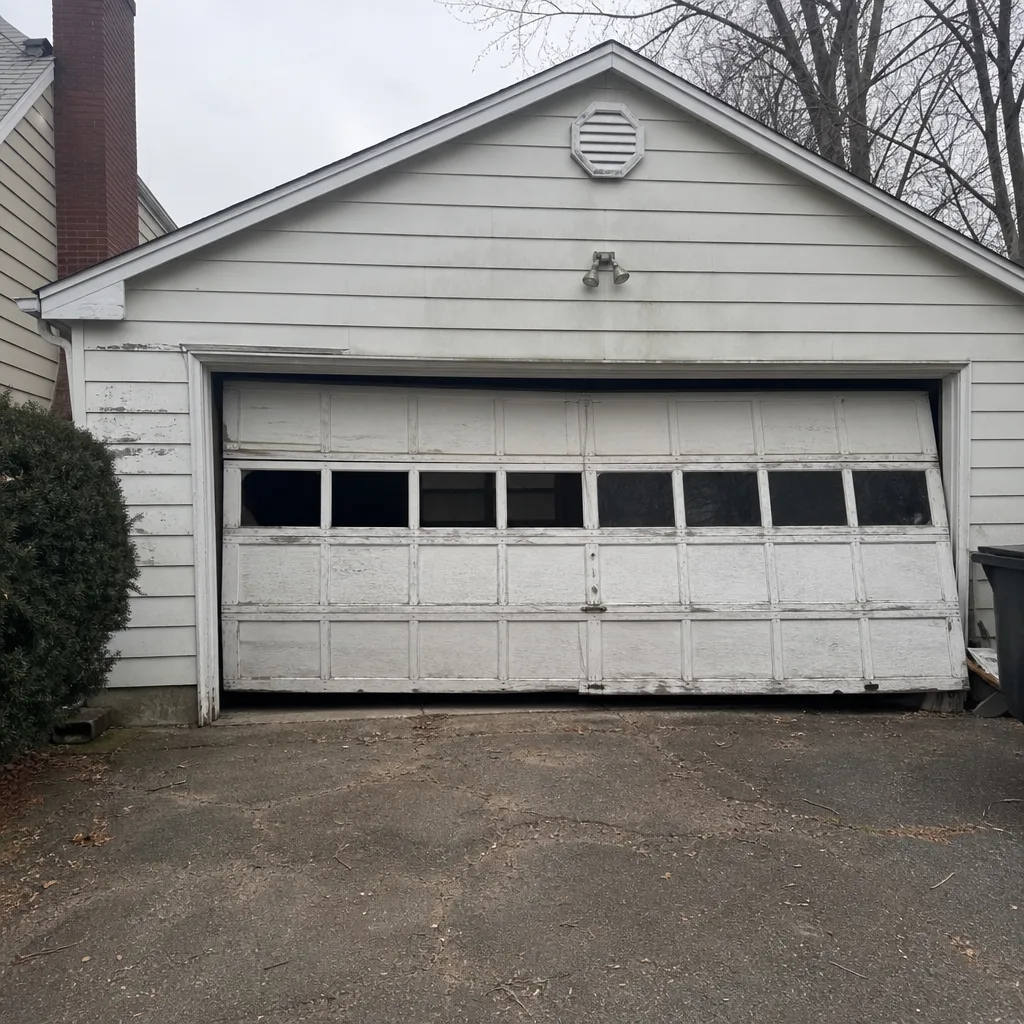 Before
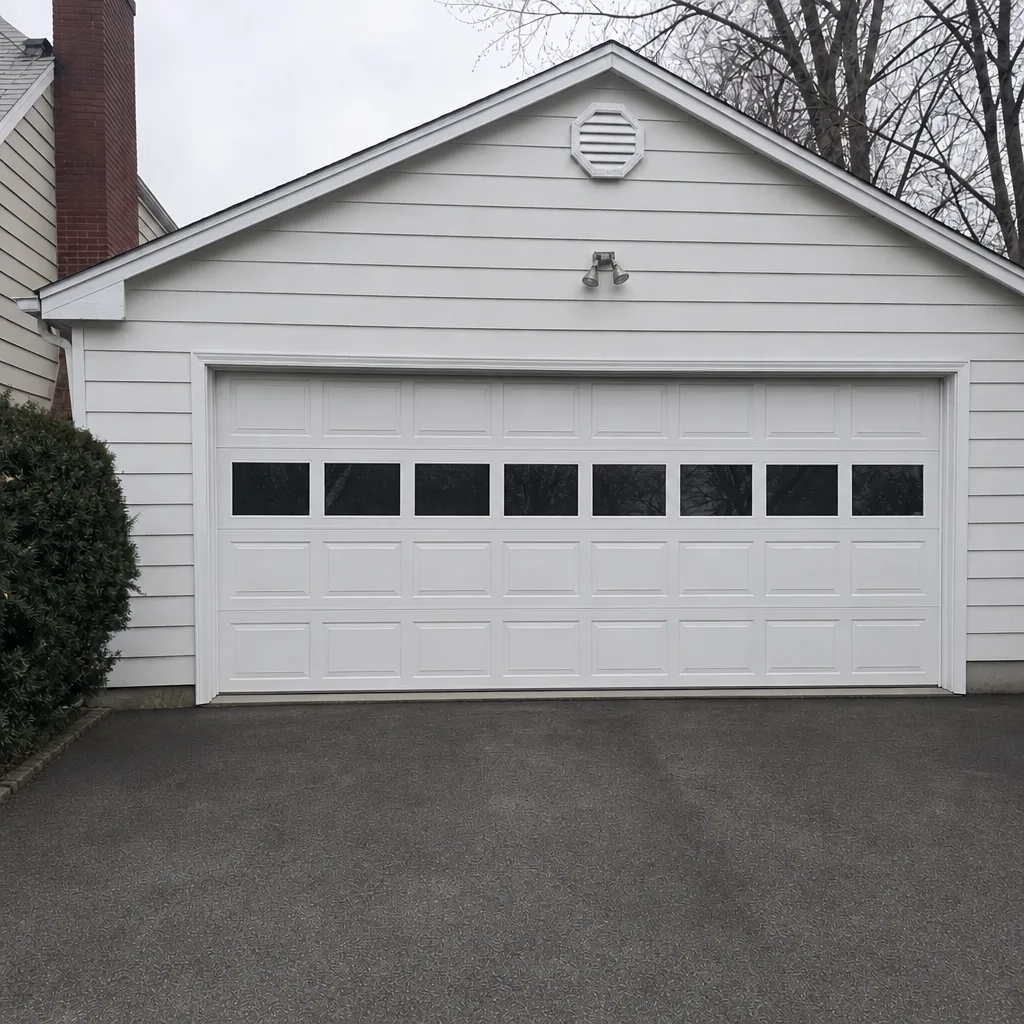 After
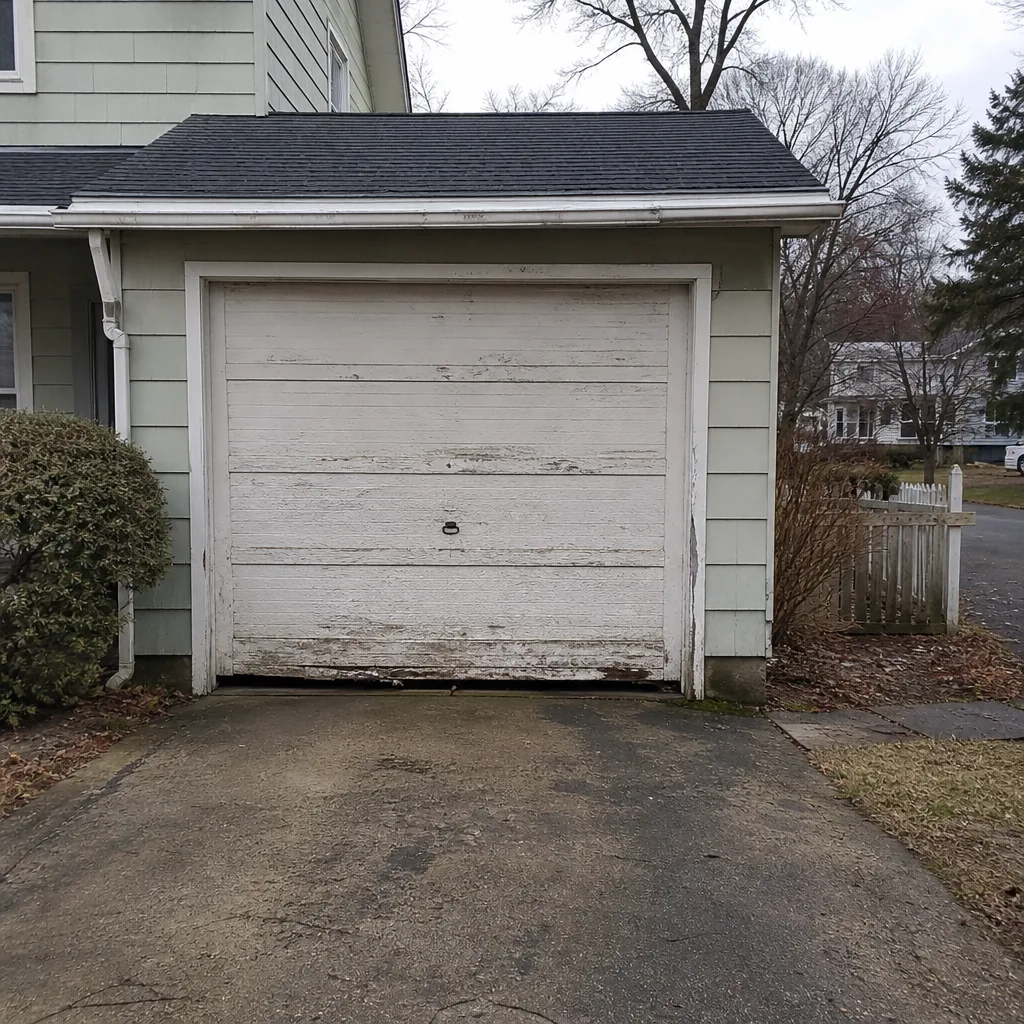 Before
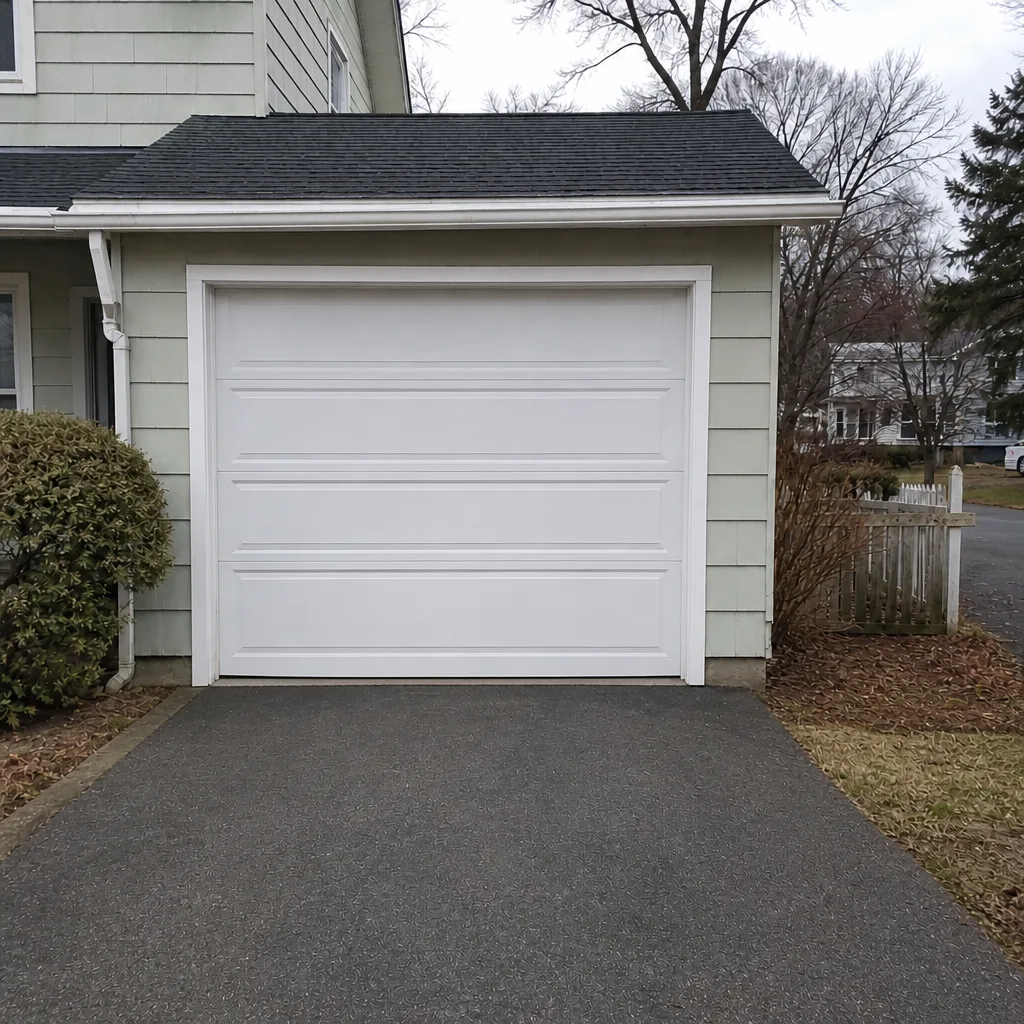 After
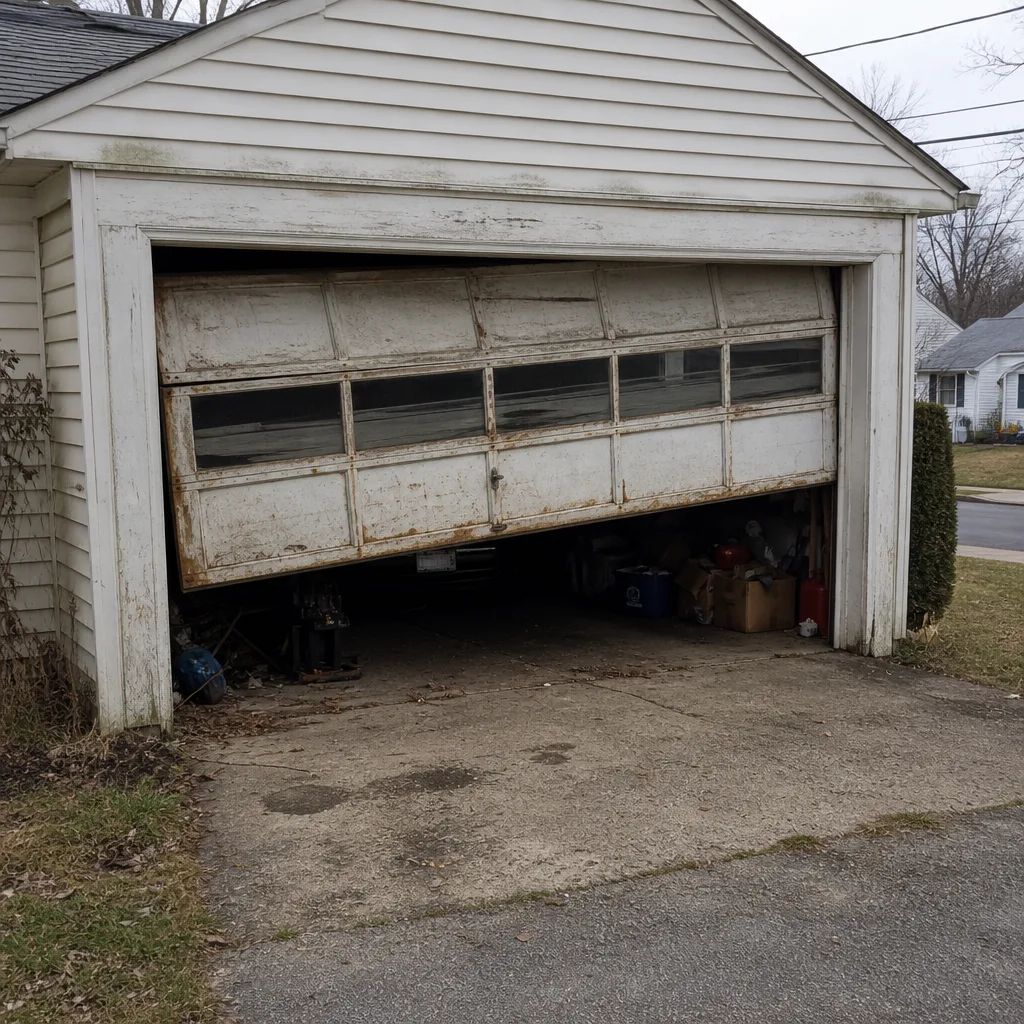 Before
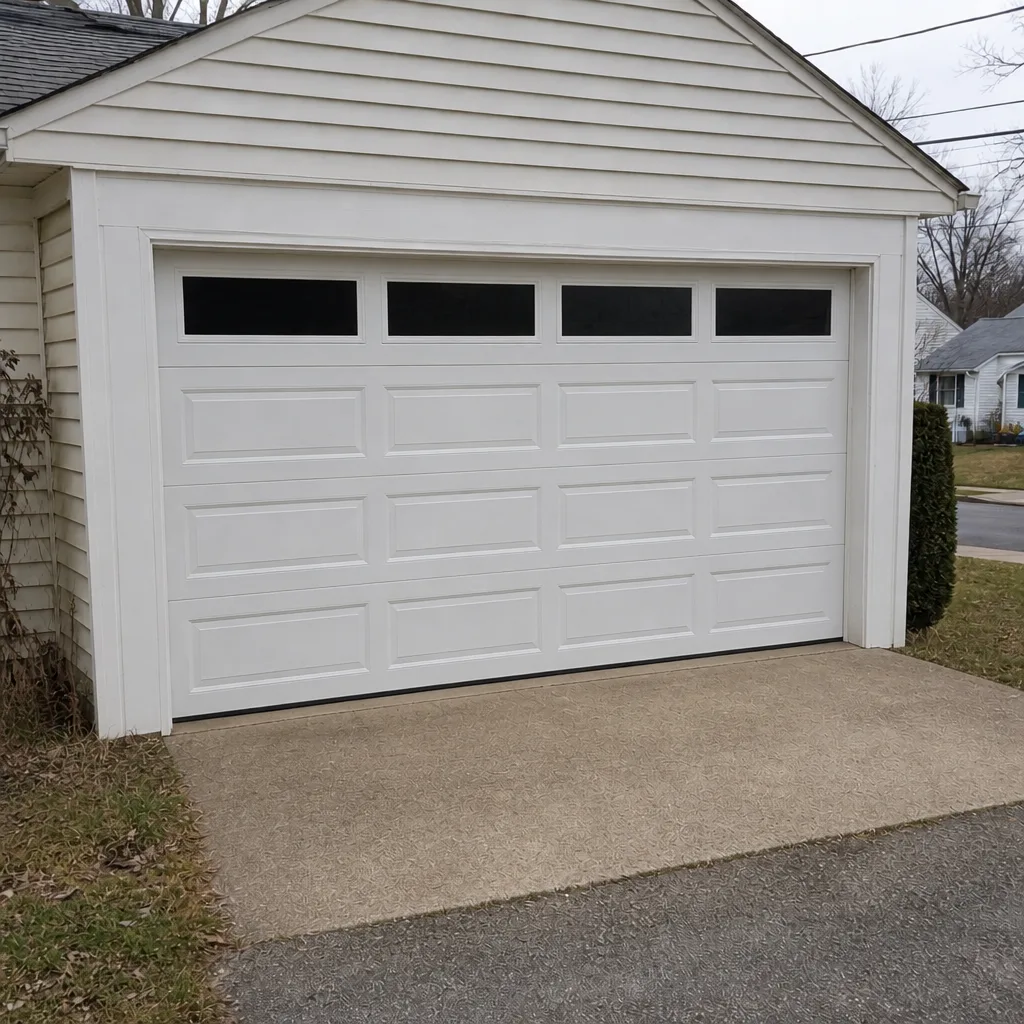 After
When to Call a Professional
Some jobs on a garage door are safe to handle yourself, and some are not. The line between them is firm. Call a professional immediately if your torsion spring has broken or shows a visible gap, if the door drops on the way down or feels dramatically heavier than usual, if the door is off its tracks, if the opener fails the safety reverse test, or if the door is stuck in an open or closed position and you need it resolved quickly. Each of those situations either involves stored mechanical energy or affects your home’s security. For everything else, including noisy operation, worn weatherstrip, or a slow-closing door, a service call is still the more efficient option, but there’s no safety urgency. Norwalk Garage Door Repair Pros offers free estimates in Norwalk and can be reached at (855) 337-1321. Emergency garage door service is available, and our technicians have up to 13 years of experience across every major door and opener brand.
Frequently Asked Questions
If your door is under 15 years old, structurally intact, and the problem is isolated to a spring, cable, roller, or opener component, repair is almost always the right choice. Replacement makes more sense when the door is 20 or more years old, multiple sections or tracks are failing at once, or replacement panels are no longer available from the manufacturer. A technician can give you a straight answer in person; call (855) 337-1321 for a free estimate.
Most torsion springs last roughly 10,000 to 15,000 cycles, which for a typical household amounts to somewhere between 7 and 10 years of use. In Norwalk, the humidity cycle means the cable ends and brackets holding the spring assembly may wear before the spring itself, so annual inspection of the whole assembly extends the life of the system. When a spring breaks, the safe move is to call a technician, not attempt the replacement yourself.
Across Norwalk homes, the door manufacturers we see most often are Clopay and Amarr, with Wayne Dalton and Raynor well-represented as well. On the opener side, LiftMaster, Chamberlain, Genie, and Craftsman are the most likely units in local garages. Knowing the brand matters because it determines whether replacement parts are available locally and what a technician needs to bring on the service call.
For most repair calls, yes. Springs, cables, openers, and sensor faults are often resolved in a single visit, and emergency service is available for doors that are stuck open or closed. Price and scope are quoted and agreed before any work starts, so there are no surprises when the invoice arrives. Call (855) 337-1321 to check availability.
A door that opens a few inches and stops is almost always a spring problem, not an opener problem. The opener is designed to lift the door’s weight, not to lift the door’s weight plus a failed spring. Stop using the door until a technician can inspect it. Continuing to run the opener against a broken spring will burn out the motor and gear assembly.
An opener over 15 years old that has failed a major component is usually worth replacing rather than repairing, because repair costs start approaching the price of a new unit and older units are limited in their safety features. A newer opener with a single failed component, such as a sensor or a gear, is worth repairing. The decision comes down to age and whether the opener is being asked to work with a door whose weight has recently changed.
The Bottom Line
Garage door decisions in Norwalk come down to understanding your specific door, your specific climate exposure, and what your specific house actually needs. The coastal humidity and freeze-thaw cycles here shorten the life of certain hardware, but with basic maintenance twice a year, most doors and openers outlive their expected service window. Repair wins when the problem is isolated and the door is structurally sound; replacement wins when the door itself is the problem. Springs are never a DIY job. If you’re unsure which side of that line your door sits on, we can help. Norwalk Garage Door Repair Pros is a dedicated garage door service company serving homeowners throughout Norwalk and the surrounding Fairfield County area, and we work on every major door and opener brand. Call (855) 337-1321 for a free estimate. The price is quoted and agreed before any work starts.
Written by the team at Norwalk Garage Door Repair Pros.