Last updated November 21, 2026
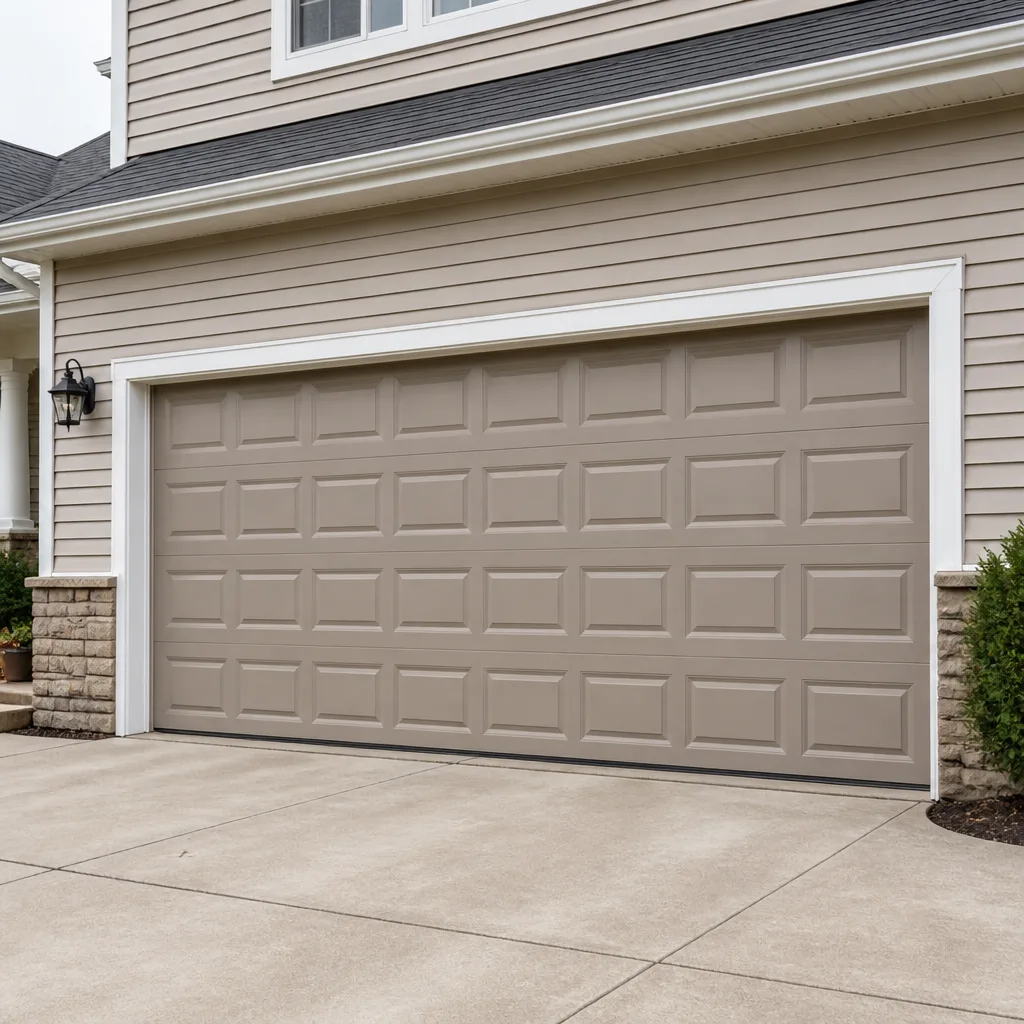 Raised-panel steel
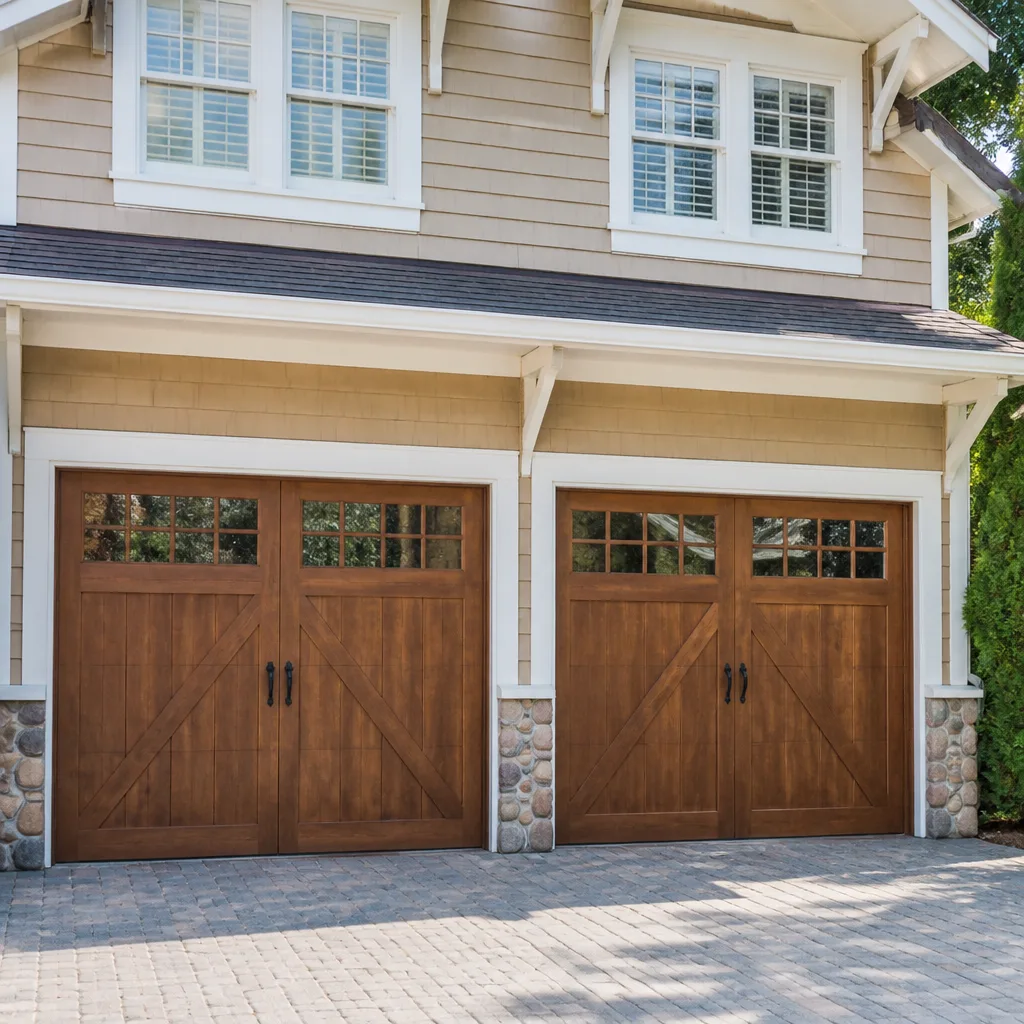 Carriage house
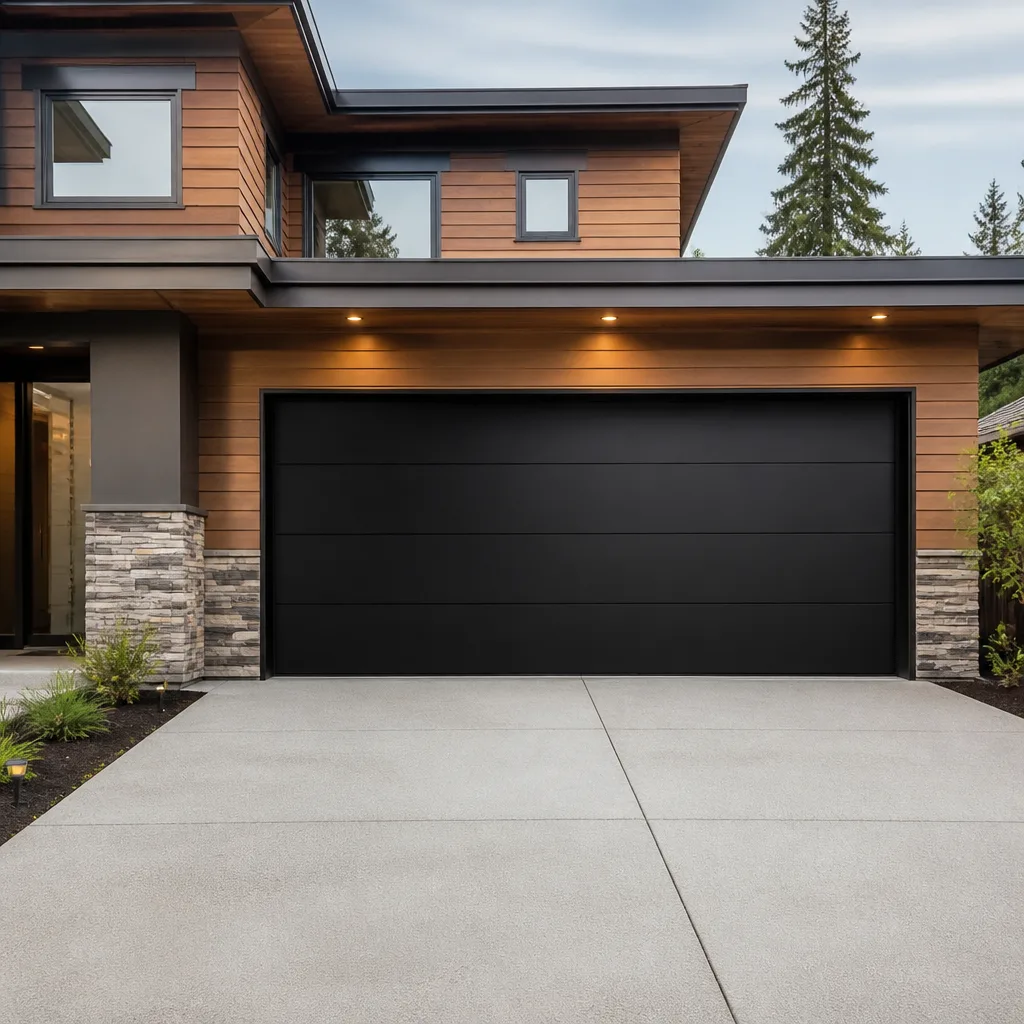 Modern flush
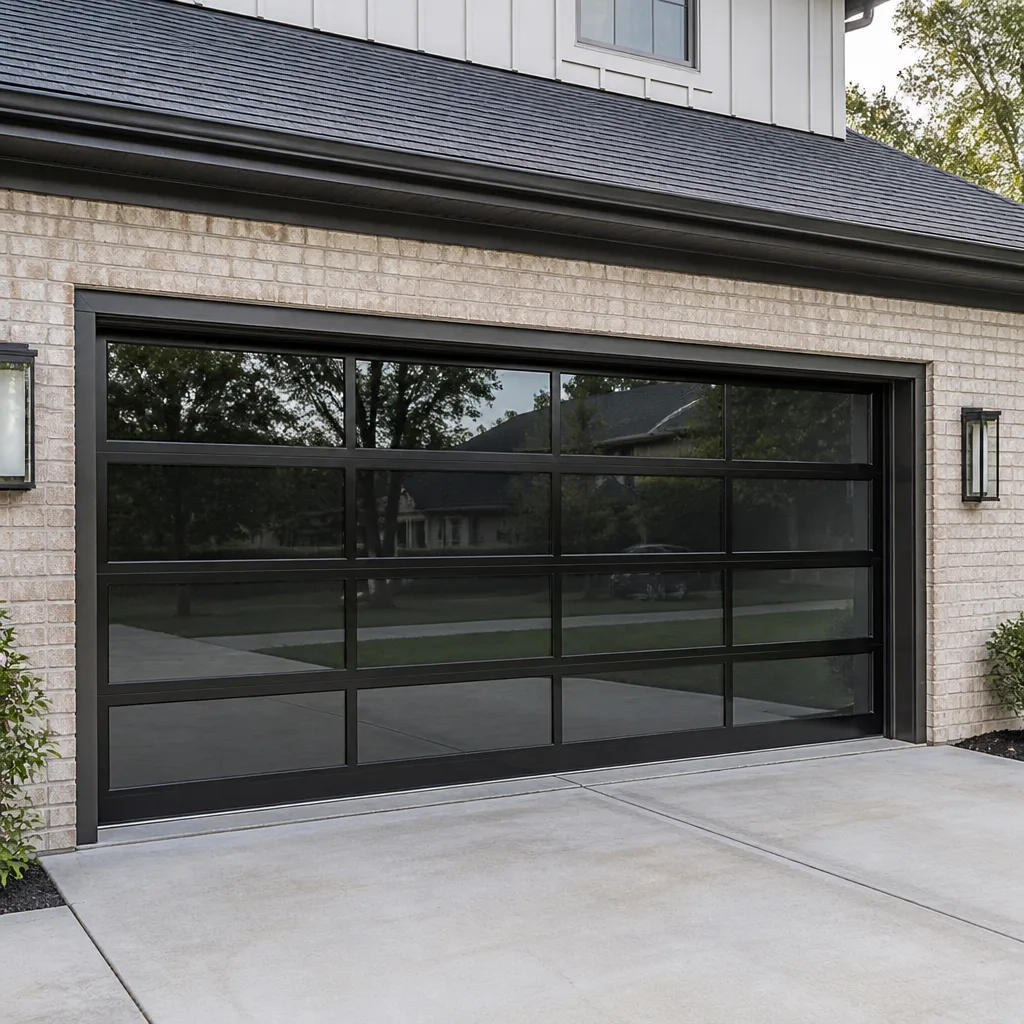 Full-view glass
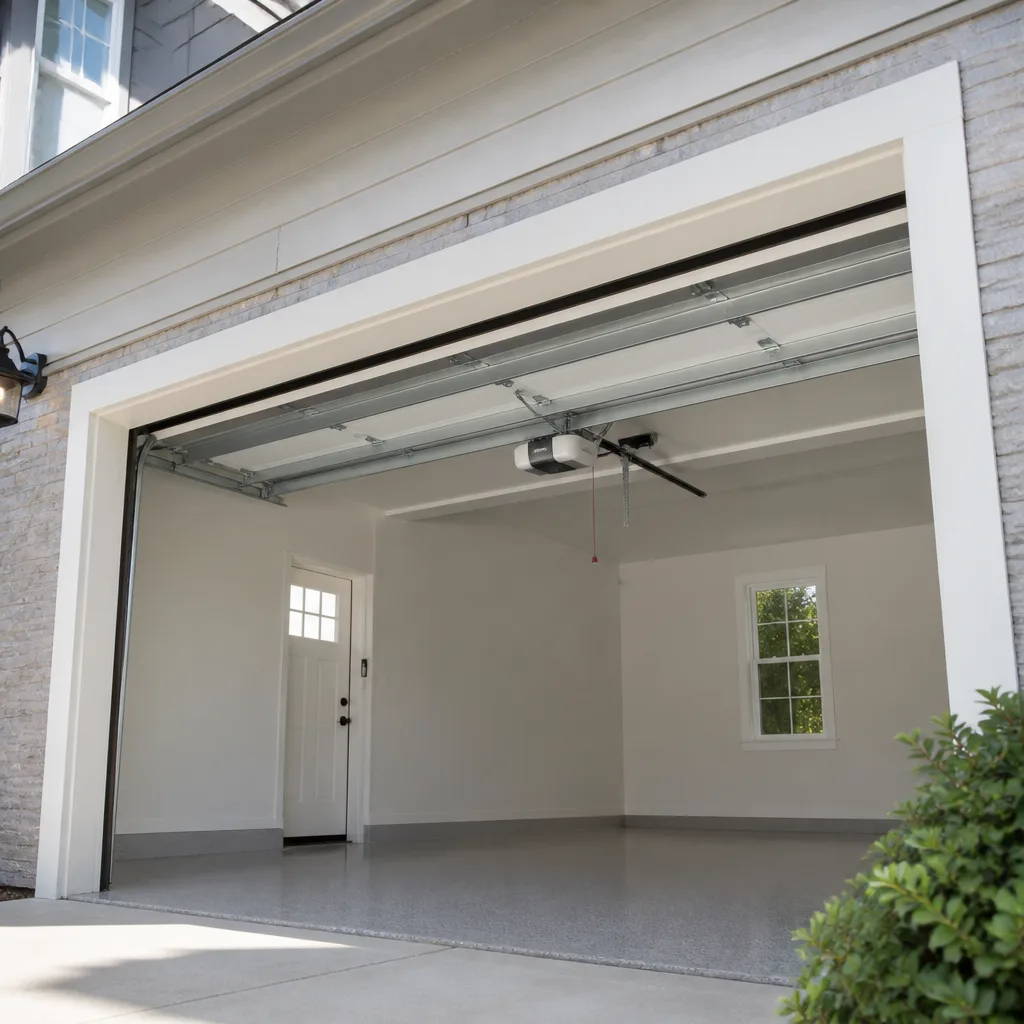 LiftMaster openers
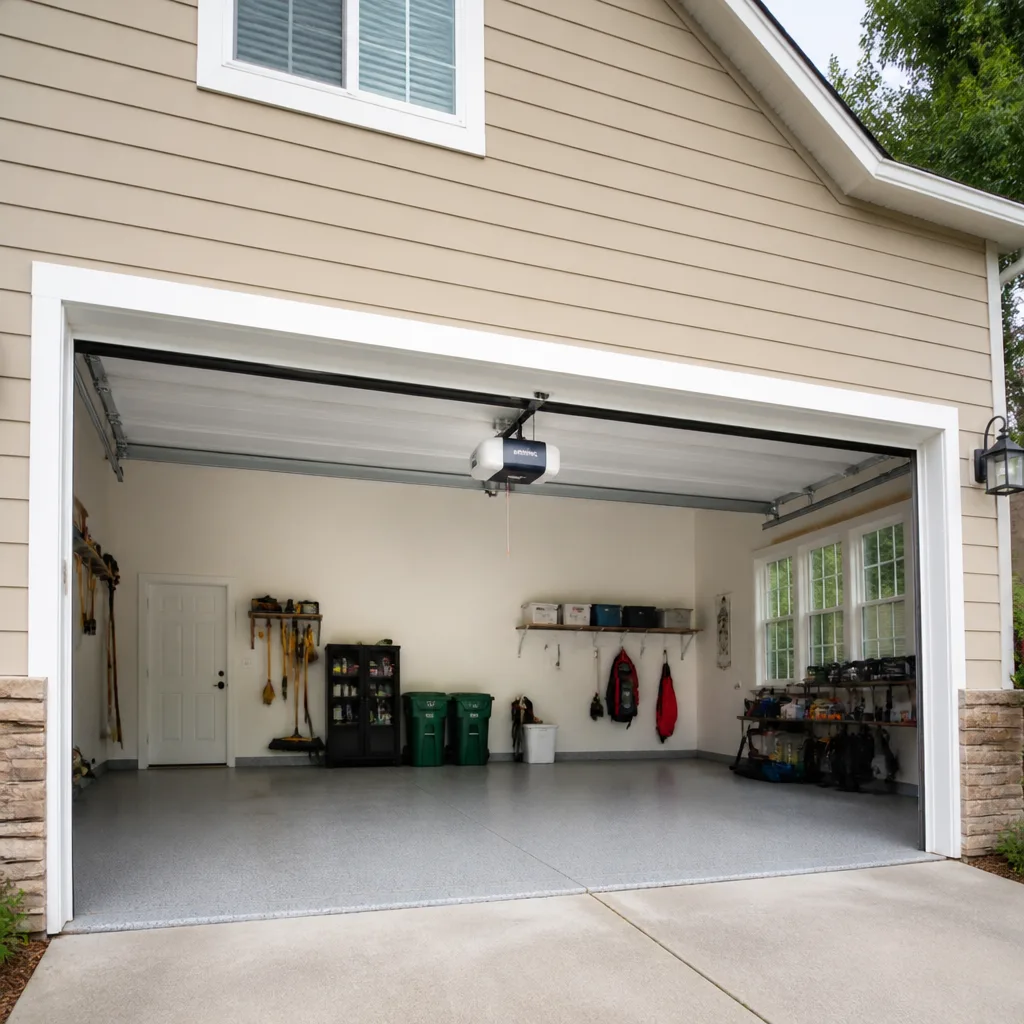 Chamberlain openers
Full 25-point door and opener safety check with every visit - springs, cables, rollers, tracks, and your LiftMaster or Chamberlain opener included
You get a price before we start. It does not change when the pro arrives.
Get your free estimateGarage Door Permits, Codes & Inspections in Norwalk, CT: What You Need to Know
Here’s the part most Norwalk homeowners don’t hear until it’s too late: replacing a garage door without a permit can leave you exposed when you sell your house or file an insurance claim. The work looks fine. The door works fine. Then a buyer’s attorney requests the permit history during a title search, and there’s a gap where the paperwork should be. This guide covers exactly when Norwalk’s building department requires a permit for garage door work, what the inspection actually checks, how the Connecticut State Building Code treats attached garages, and what buyers typically demand when they find unpermitted work. We’ll also cover HOA rules that go beyond code. By the end, you’ll know whether your project needs a permit and how to keep the paper trail clean.
Quick Answer
In Norwalk, CT, a full garage door replacement on an attached garage almost always requires a building permit because it involves the fire-rated separation between the garage and the living space. A repair-in-kind – swapping a broken spring, opener, or single panel – typically does not. When in doubt, call the Norwalk Building Department and describe the exact scope of work before you start; they’ll tell you whether a permit is required and what the inspection will cover.
Styles & brands we work with
- Raised-panel steel
- Carriage house
- Modern flush
- Full-view glass
- LiftMaster openers
- Chamberlain openers
Table of Contents
- Does Replacing a Garage Door Require a Permit in Norwalk?
- Repair-in-Kind vs. Replacement: Where the Line Sits
- The Connecticut Fire-Rating Rule Most Contractors Skip
- What a Norwalk Inspector Actually Checks
- How Unpermitted Work Shows Up in a Title Search
- HOA Overlays: Style, Color, and Window Rules
- How to Pull a Garage Door Permit in Norwalk: Step by Step
- What Permits and Inspections Typically Cost
Does Replacing a Garage Door Require a Permit in Norwalk?
A full garage door replacement on an attached garage generally requires a building permit in Norwalk. The reason isn’t the door itself – it’s what the door protects. An attached garage shares at least one wall with your living space, and that wall is a fire separation assembly. Replacing the door assembly counts as altering that assembly. The building department wants to confirm the new door and its hardware maintain the required fire rating and that the installation meets current code.
Whether a permit is strictly triggered depends on the scope. Here’s how the threshold usually breaks down:
- Full door replacement (attached garage): Permit typically required. The fire separation assembly is being altered.
- Full door replacement (detached garage): Permit requirements vary. Ask the building department with the specific scope; a detached garage with no living space above or beside it is a different equation.
- Spring replacement: Generally a repair, not a permit item. This is maintenance on an existing door.
- Opener replacement: Generally no permit. It’s an appliance swap unless you’re adding new electrical circuits, which is an electrical permit matter.
- Single panel or section swap: Usually treated as repair-in-kind. Same door model family, same opening, same rating.
- Changing door size, adding a new opening, or switching from a solid door to one with windows: Permit territory, often with structural implications.
We’ve seen Norwalk homeowners assume that because the old door came out and a new one went in the same hole, no permit applies. That’s the wrong test. The right test is whether the work alters a code-regulated assembly. For attached garages, door replacement does.
Repair-in-Kind vs. Replacement: Where the Line Sits
A repair-in-kind means you’re restoring a component to its original condition without changing the nature of what’s installed. Replacing a torsion spring, a cable, a roller, or a single damaged section with a matching part is repair-in-kind. The door is still the same door. The opening hasn’t changed. The fire rating hasn’t changed. That’s the kind of work our garage door repair crew does without pulling a permit, because the scope doesn’t touch a regulated assembly.
Replacement is different. A replacement means the entire door assembly is new – new panels, new tracks, new hardware, potentially a different model with different ratings. Even if it fits the same opening, the assembly is a different code-regulated object. That’s when the permit comes in.
Here’s a simple way to think about it:
- Is the opening changing? Any change to width, height, or headroom typically requires a permit, plus structural review in some cases.
- Is the door assembly fully new? Complete door replacement on an attached garage generally requires a permit because the fire separation is new.
- Are you changing the door’s fire rating? Any change to the rating is a permit item. You can’t downgrade a rated door without review.
- Is the work confined to a component? Spring, cable, roller, opener, panel with matching part – usually repair-in-kind.
One nuance: if you’re replacing an older door with a modern one that meets current wind-load or impact requirements where those apply, the permit inspection will look at the anchoring and hardware, not just the panels. That’s another reason replacement gets a permit while a spring swap doesn’t.
The Connecticut Fire-Rating Rule Most Contractors Skip
Here’s the part that catches people. The Connecticut State Building Code treats the wall and door between an attached garage and the living space as a fire separation assembly. The intent is to slow a garage fire long enough for occupants to get out and for the fire department to arrive. The door is part of that assembly, not a separate item.
In practical terms:
- The wall between the garage and the house has a required fire-resistance rating, and the door in that wall must maintain it.
- Door hardware – the hinges, the self-closing mechanism where required, the weatherstripping and threshold – affects whether the assembly performs as intended.
- Standard sectional doors can meet the requirement when installed correctly. What matters is that the assembly is rated and the installation doesn’t compromise the rating.
- A door with windows, gaps around the perimeter, or an opener that props it open against its self-closing function can undermine the assembly.
Most contractors who aren’t garage door specialists never think about this because it’s not in their wheelhouse. They install the door, collect a check, and move on. The Norwalk building inspector, however, is looking at this during the permit inspection. If the new door doesn’t maintain the rating or the hardware doesn’t function as the code expects, the inspection fails and the work stalls.
If you’re unsure what rating your existing setup has, the door’s label, the manufacturer’s documentation, or the building department can tell you. We work on Clopay, Amarr, and Wayne Dalton doors regularly and see how the ratings vary across models. When we quote a replacement, we check the rating against what the code requires in Norwalk before ordering anything. It saves everybody a return trip.
What a Norwalk Inspector Actually Checks
The inspection is not just “does the door open.” A Norwalk building inspector checks the installation against the permitted scope and the applicable code. Here’s what that typically covers:
- The door assembly and its rating. The inspector confirms the installed door matches what was permitted, including its fire rating for attached garages.
- Anchoring and hardware. Tracks, brackets, and hinges must be properly fastened to the framing. Loose or improper anchoring is a fail.
- The fire separation. The wall, door, and any penetrations (wiring, framing) must maintain the required rating. Gaps around the perimeter are inspected.
- Safety features. If an opener was included in the scope, the inspector may check the photo-eye safety reverse and, for older installations, the auto-reverse function.
- Self-closing or self-latching hardware where the code or the original design requires it.
- The permit and approved plans. The inspector reviews the permit card against the work performed to confirm it matches.
One thing homeowners don’t always realize: the inspector is checking the assembly, not grading the installer’s craftsmanship. A door can look beautifully installed and still fail an inspection because the rating documentation is missing or the fire separation has a gap. Conversely, a plain-looking installation passes cleanly when the paperwork and the hardware are right. Our Norwalk Garage Door Repair Pros team keeps the manufacturer documentation with the job so the inspector has what they need.
How Unpermitted Work Shows Up in a Title Search
Unpermitted garage door work doesn’t typically surface as a red flag on its own during a title search – it surfaces as a gap. Buyers’ attorneys pull the municipal permit history for a property, and when a newer door exists but no permit was ever pulled, that gap becomes a negotiating point. What the buyer’s attorney typically demands is one of the following:
- A retroactive permit and inspection. The seller pulls the permit after the fact and gets the work inspected. This works but costs more than pulling the permit upfront and can slow a closing.
- Documentation that no permit was required. Sometimes a letter from the building department confirming the scope was repair-in-kind resolves it, but only if the scope genuinely qualifies.
- A credit to the buyer. If the work can’t be brought into compliance easily, the seller credits the buyer an amount to cover legalizing or redoing the work. This is the option buyers prefer and sellers dread.
- Removal and re-do. Rare, but it happens when the installation doesn’t meet code and can’t be brought into compliance without taking the door down.
We’ve talked to Norwalk homeowners who found out about a missing permit during a closing and had to scramble. The inspection itself took a few days, but the delay cost them weeks. Pulling the permit before the work started would have been a couple hundred dollars and a short wait. The lesson isn’t dramatic – it’s just that permits feel like paperwork until they’re the paperwork standing between you and a closing.
HOA Overlays: Style, Color, and Window Rules
Norwalk has neighborhoods with active homeowner associations, and those associations can restrict garage door style, color, and window placement in ways the building code never touches. The building department cares about fire safety and structural integrity. The HOA cares about how the door looks from the street.
Common HOA restrictions in the Norwalk area include:
- Color palette. Many associations require a door color within a specified range – often white, almond, or a matched shade to the house trim. A black door with decorative hardware can be a violation.
- Window configurations. Some associations restrict whether a door can have windows at all, and if so, whether they must be a specific style (long panel vs. short panel, clear vs. frosted).
- Panel style. Raised-panel, carriage-house, and flush-panel doors can all be restricted. A carriage-house door on a colonial-style house in a neighborhood with a uniform look may draw a letter from the association.
- Decorative hardware. Hinges, handles, and straps that mimic carriage doors are sometimes restricted to certain neighborhoods or styles.
- Material and finish. Wood-look steel vs. real wood vs. aluminum can be restricted based on the association’s architectural guidelines.
Before you order a replacement door in a Norwalk HOA neighborhood, request the architectural review guidelines and get your selection approved in writing. This matters because most door orders are non-returnable once manufactured. A denial after the door is built leaves you stuck with a door the association won’t let you install. Our garage door spring repair service doesn’t cross into this territory, but when we quote a replacement, we ask about HOA approval because we’ve seen it blow up schedules.
How to Pull a Garage Door Permit in Norwalk: Step by Step
The permit process is straightforward when you know the order of operations. Here’s how it typically goes for a garage door replacement in Norwalk:
- Confirm the scope with the building department. Call or visit with the address, the door model, and a description of the work: “I’m replacing an existing sectional door on an attached garage with a new rated door, same opening size.” Ask whether they require a permit for that scope. They’ll say yes or explain the exception.
- Gather the documentation. You’ll typically need the manufacturer’s product data showing the door’s fire rating for attached garages, the installation instructions, and the contract or scope of work.
- Submit the permit application. The application form, the documentation, and the fee go to the building department. Expect a short review period; the timeline depends on their current volume.
- Wait for the permit to be issued before work starts. This is the step people skip. Work performed before the permit is issued may need to be undone or separately approved.
- Schedule the inspection after installation. The inspector comes out, reviews the assembly and documentation against the permit, and either passes it or issues a correction list.
- File the final paperwork. Once the inspection passes, the permit is closed and the completed inspection goes on record at the building department. That record is what shows up – or doesn’t – in future title searches.
The permit process matters most when you’re selling the home, because the closed permit is the paper trail that resolves the question before a buyer’s attorney asks it. Ask the building department about the current fee schedule, because fees change and vary with the scope. When we quote a garage door installation, we tell every Norwalk customer that the permit is the part that protects them at closing. It’s not the exciting part of the job, but it’s the part that matters later.
What Permits and Inspections Typically Cost
In our experience, a Norwalk garage door permit typically costs a couple hundred dollars, and the inspection itself is usually included in the permit fee rather than billed separately. The door installation is the larger expense. Here’s how the numbers usually break down for a Norwalk garage door replacement:
| Item | Typical Estimate |
|---|---|
| Building permit (garage door replacement) | $150 – $350 |
| Inspection fee | Usually included in permit fee |
| Single-car door replacement (installed) | $900 – $2,500 |
| Two-car door replacement (installed) | $1,600 – $4,500 |
| Door opener replacement (installed) | $350 – $900 |
| Spring repair (single spring) | $180 – $340 |
| Matched pair of springs installed together | About twice the single-spring range |
The written estimate sets the final price. When we quote a garage door installation in Norwalk, the quote includes the door, labor, and the permit coordination, and we confirm it in writing before any work starts so there’s no invoice surprise later. The installation work is scheduled after the door is measured and ordered, so plan on a lead time between order and install. If you’re dealing with a broken spring or failed opener right now, that’s a garage door opener repair or spring repair situation where emergency service applies and the permit question usually doesn’t. Call (855) 337-1321 for a free estimate on any of the above.
Common Mistakes to Avoid
- Assuming the same-size door doesn’t need a permit. The size isn’t the test; the fire separation assembly is. A new door of the same dimensions still alters the assembly. Ask the building department before ordering.
- Starting the work before the permit is issued. Work done before the permit exists can require re-inspection or, in some cases, removal. The permit has to be in hand before the old door comes down.
- Skipping the manufacturer rating documentation. The inspector needs proof that the new door maintains the required rating. Without the documentation, the inspection stalls.
- Ordering an HOA-restricted door without written approval. Most door orders are non-returnable. In Norwalk HOA neighborhoods, get the association’s architectural approval in writing before the door is manufactured.
- Treating a spring swap and a door replacement as the same permit category. They aren’t. Springs are repair-in-kind; a full replacement on an attached garage is a permit item. Mixing the two up wastes a trip to the building department.
- Assuming a detached garage follows the same rules. Detached garages may follow a different permit threshold. Ask the building department with the specific scope rather than applying attached-garage rules.
- Forgetting to close the permit. The inspection pass is not the end of the process; the permit has to be closed and recorded at the building department. That record is what shows up during a future title search.
See the difference
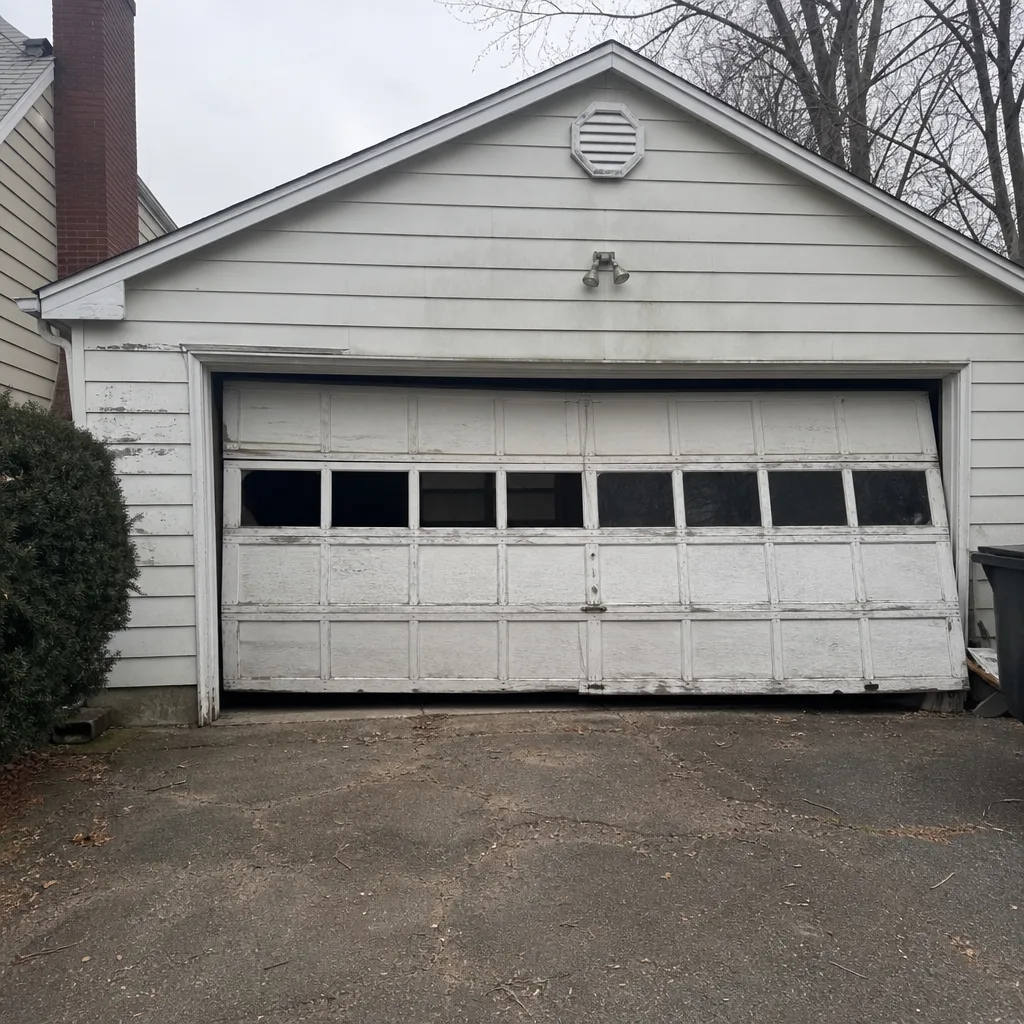 Before
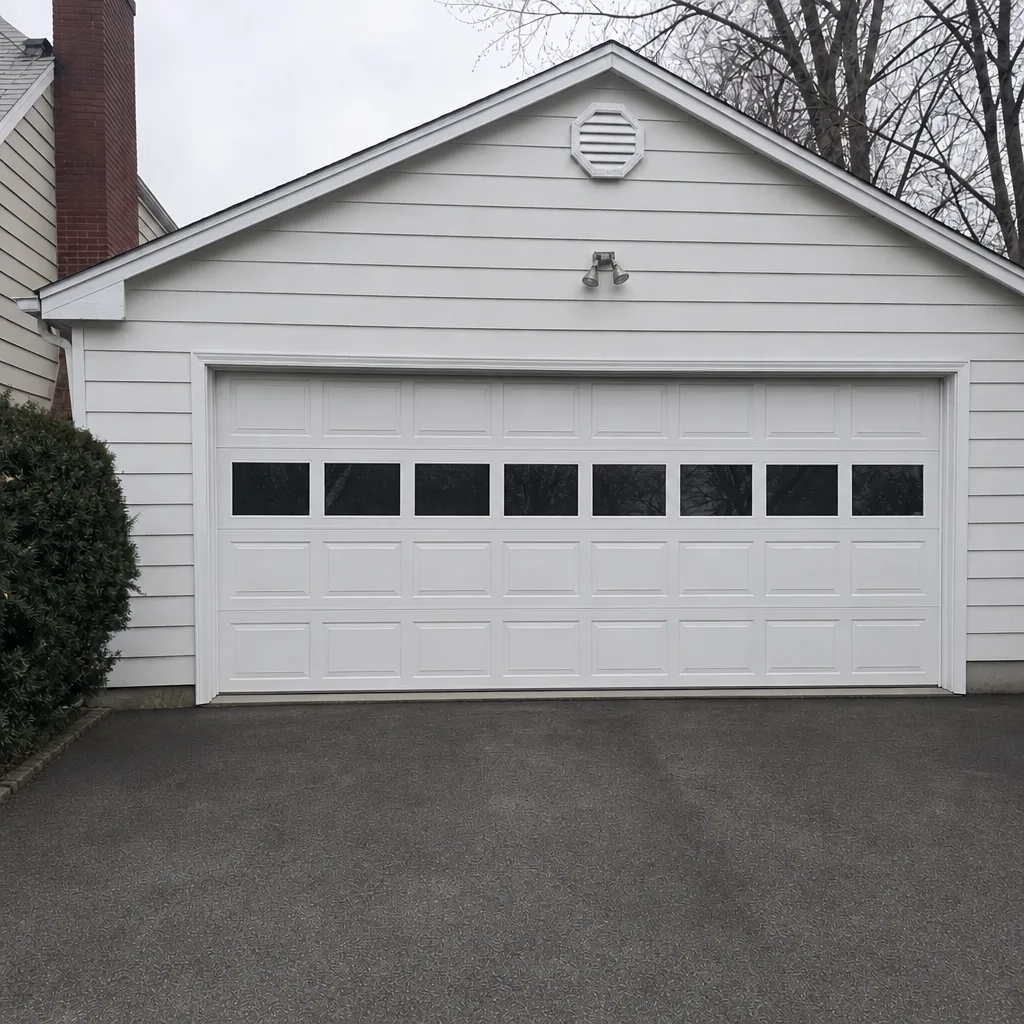 After
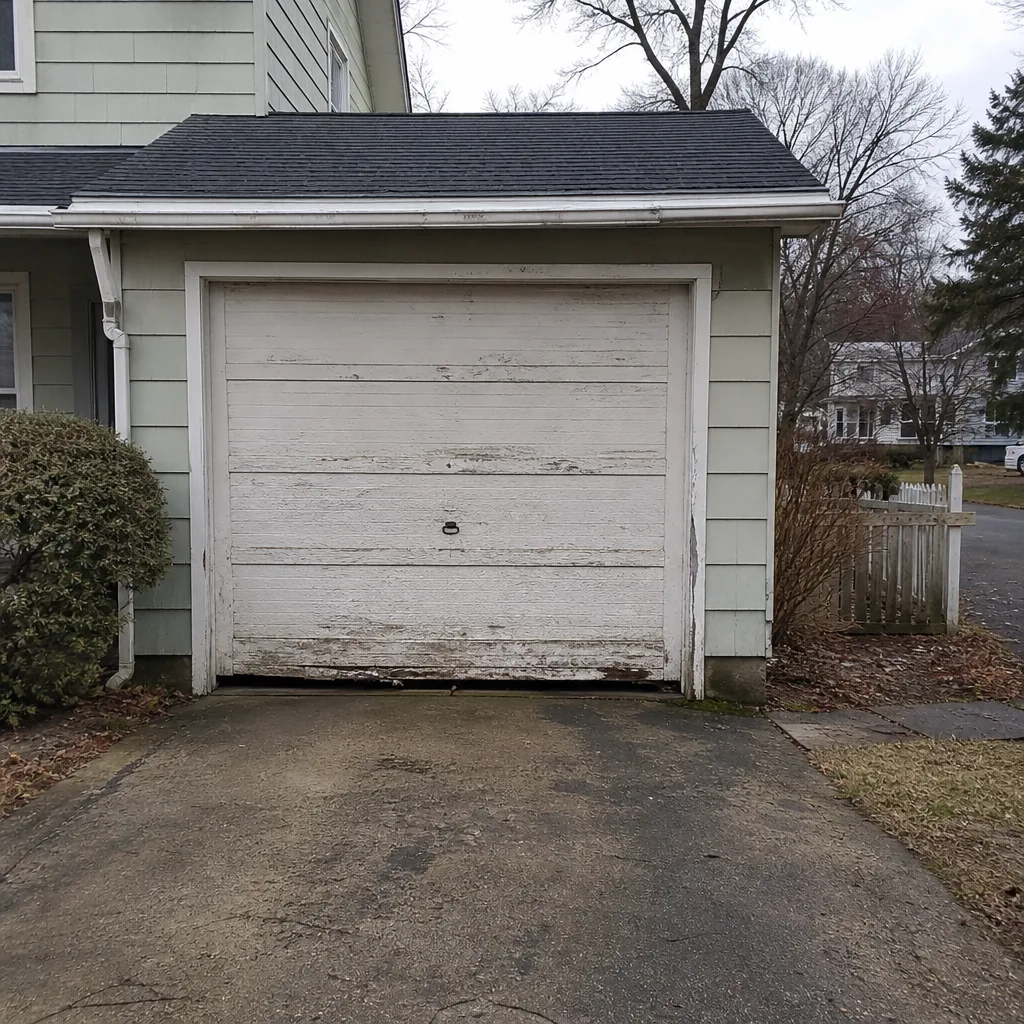 Before
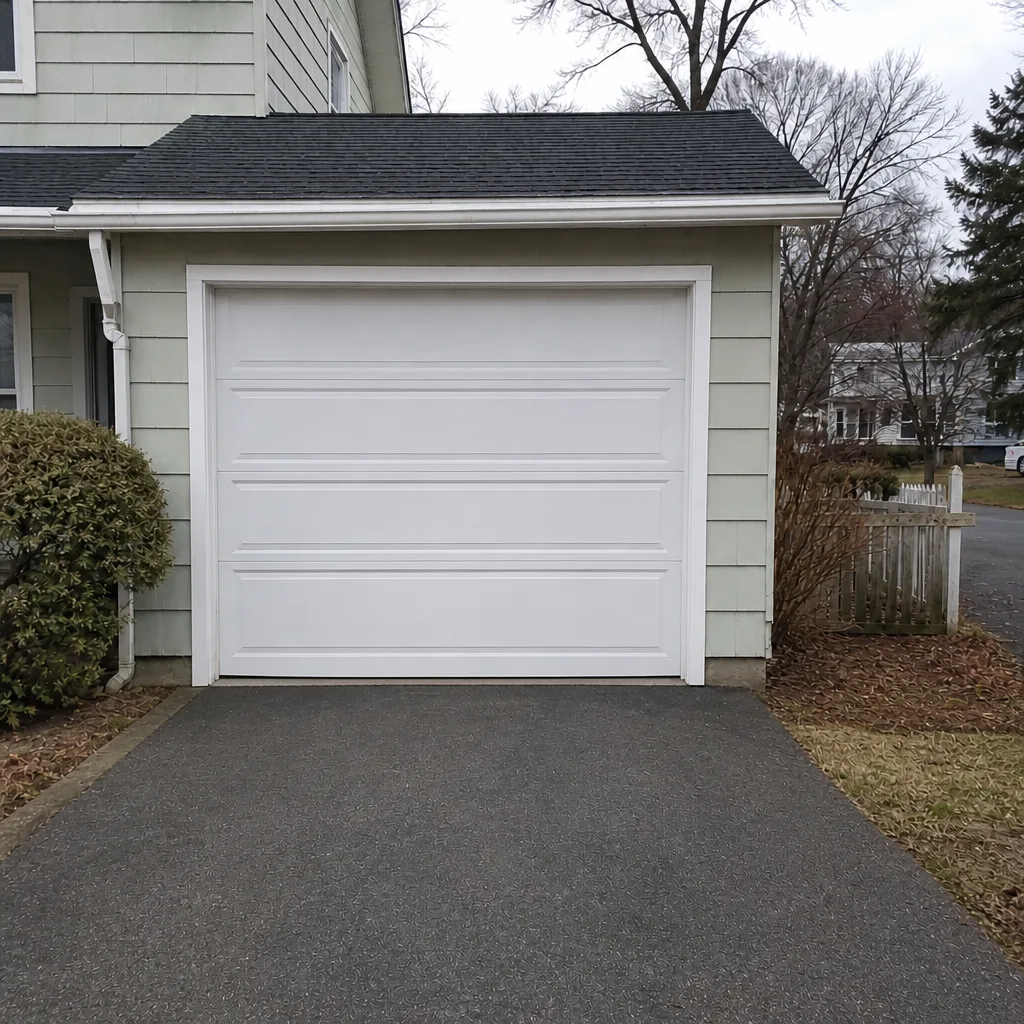 After
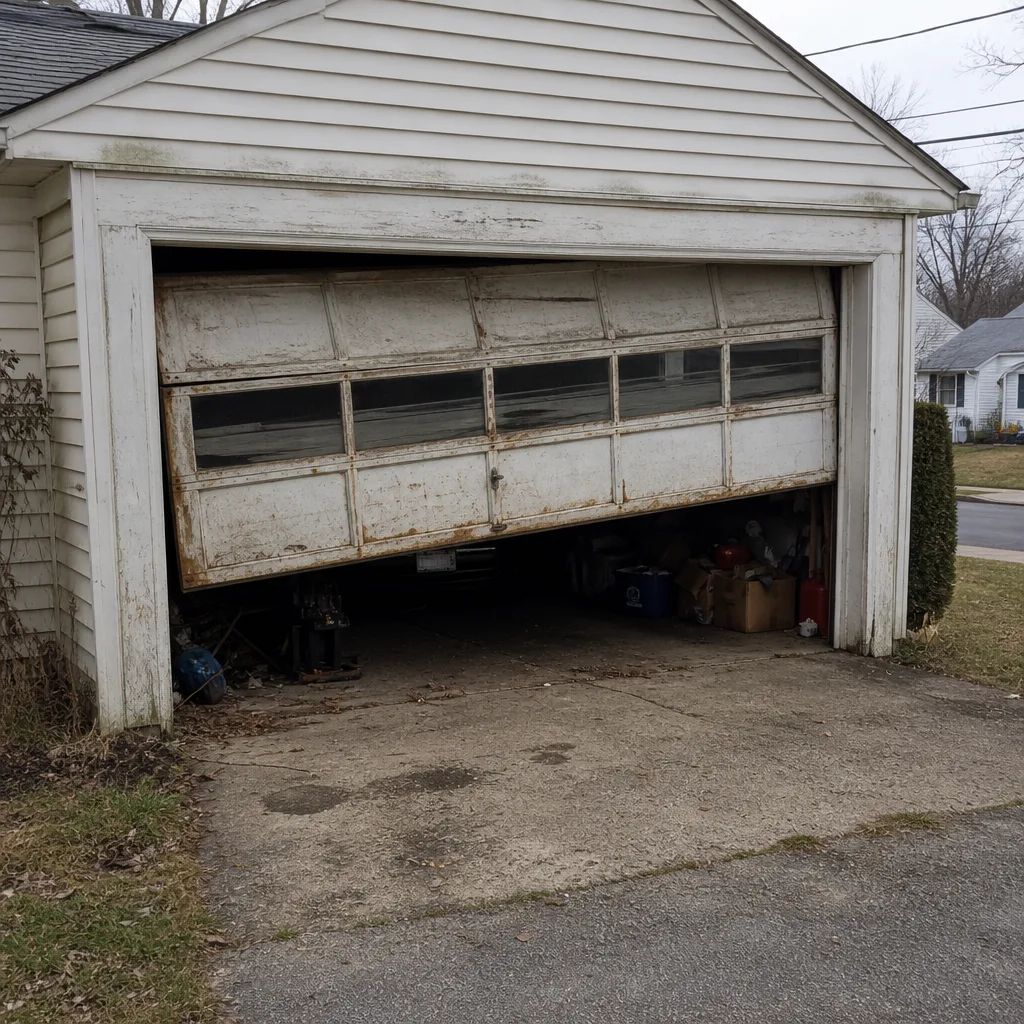 Before
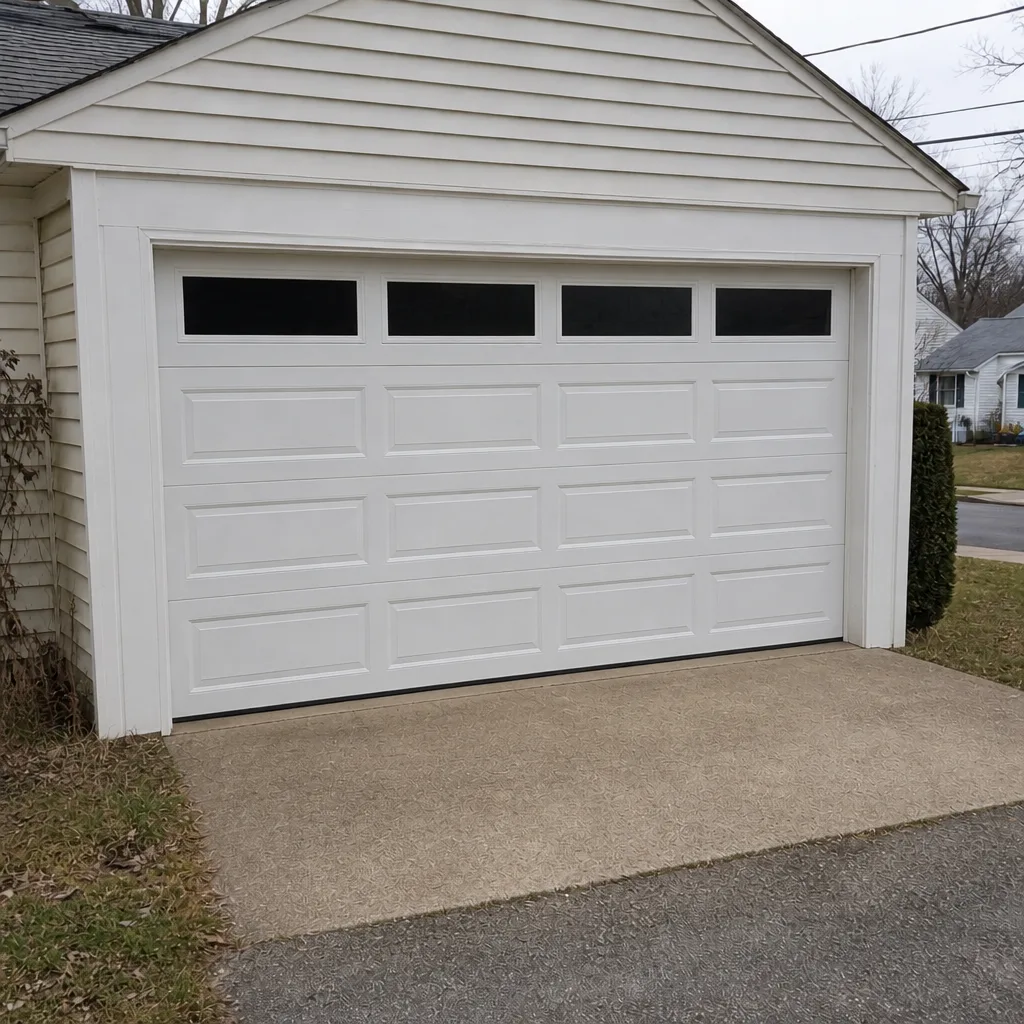 After
When to Call a Professional
Some garage door work is genuinely unsafe to touch. Springs and cables are under high tension and can cause serious injury if handled without the right tools and training. Electrical work on a new opener circuit is another item to leave to a licensed electrician. When you’re replacing a full door on an attached garage, the permit process, fire-rating documentation, and installation all need to line up, and that’s where a garage door specialist makes the difference. Our technicians have up to 13 years of experience, and we work on LiftMaster, Chamberlain, Genie, and Clopay equipment regularly. Norwalk Garage Door Repair Pros offers free estimates in Norwalk – call (855) 337-1321. If your door fails suddenly, we also offer emergency service for urgent situations.
Frequently Asked Questions
For an attached garage, yes – a full door replacement generally requires a building permit because the door is part of the fire separation assembly. Repairs like spring or opener replacement typically do not. Call the Norwalk Building Department with the exact scope to confirm before ordering. Call (855) 337-1321 for a free estimate on the installation side – estimates are free.
Unpermitted work typically surfaces during a future real estate transaction, when a buyer’s attorney pulls the permit history and finds a gap. The typical remedy is a retroactive permit, a credit to the buyer, or in rare cases removal and re-do. Pulling the permit upfront is the simpler path. Call (855) 337-1321 if you’re dealing with a door that’s already installed – we can talk you through what the building department will likely ask for.
Repair-in-kind work – swapping a spring, cable, roller, opener, or single matching panel – typically does not require a permit. Full replacement of an attached garage door generally does, because the fire separation assembly is being altered. Call (855) 337-1321 for a free estimate on either kind of work – we’ll tell you which category your job falls into.
The inspector checks the installed door assembly and its fire rating against the permit, the anchoring and hardware, the fire separation, and any safety features tied to the opener. It’s the assembly that’s being inspected, not the installer’s craftsmanship. If you want the installation to pass cleanly, work with a garage door specialist – call (855) 337-1321 for a free estimate.
Yes – Norwalk-area HOAs commonly restrict door color, window configurations, panel style, and decorative hardware beyond anything the building code requires. Get written architectural approval before ordering, because most door orders are non-returnable. Our team can help you match a compliant door to your house style – call (855) 337-1321 for a free estimate.
Timelines vary with the building department’s current volume, but the process typically runs from permit submission to issued permit in a short window, with the inspection scheduled after installation. The door itself has a lead time between order and delivery, so plan the schedule around both. Call (855) 337-1321 for a free estimate and we’ll walk you through what to expect.
The Bottom Line
Norwalk’s permit rules for garage doors come down to one question: does the work alter a code-regulated assembly? A full replacement on an attached garage does, so it needs a permit and an inspection. A spring, cable, or opener swap doesn’t. The fire separation between the garage and the living space is the piece most homeowners and many contractors overlook, and it’s exactly what the inspector checks. Get the permit, keep the rating documentation, get your HOA approval in writing if you have one, and close the permit when the inspection passes. That closed record is what protects you at your next closing. If you’re planning a replacement or dealing with a failing door, Norwalk Garage Door Repair Pros can help – call (855) 337-1321 for a free estimate, upfront pricing, and a written quote before any work starts.
Written by the team at Norwalk Garage Door Repair Pros.